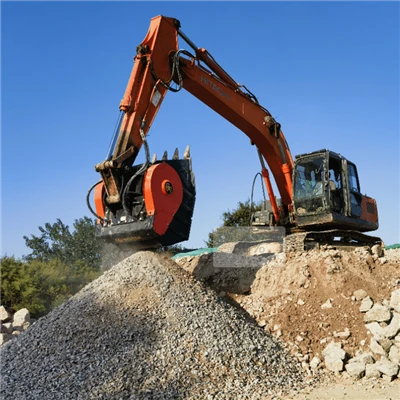
As a supplier of screening buckets, I often get asked whether these versatile tools can be effectively used for recycling materials. The answer is a resounding yes! In this blog post, I'll explore the various ways screening buckets can play a crucial role in the recycling industry, highlighting their benefits, applications, and how they can enhance the efficiency of recycling operations.
How Screening Buckets Work
Before delving into their recycling applications, it's essential to understand how screening buckets function. A screening bucket is an attachment that can be fitted to various types of heavy machinery, such as excavators, skid steers, and loaders. It consists of a series of bars or tines that are spaced at specific intervals. When the bucket is filled with material and agitated, the smaller particles fall through the gaps between the bars, while the larger ones remain in the bucket. This process effectively separates materials based on size, allowing for the efficient sorting of different types of debris.


Benefits of Using Screening Buckets in Recycling
There are several advantages to using screening buckets in recycling operations. Firstly, they offer a cost - effective solution for material separation. Instead of relying on expensive and complex sorting equipment, a screening bucket can quickly and efficiently separate different sizes of materials on - site. This reduces the need for transporting large volumes of mixed waste to a central sorting facility, saving on transportation costs and time.
Secondly, screening buckets are highly versatile. They can be used to screen a wide range of materials, including soil, gravel, construction and demolition waste, compost, and even shredded wood. This versatility makes them a valuable asset in various recycling applications, from small - scale composting operations to large - scale construction waste recycling projects.
Another significant benefit is the environmental impact. By separating recyclable materials from non - recyclable waste, screening buckets help to divert a significant amount of waste from landfills. This not only conserves valuable landfill space but also reduces the environmental footprint associated with waste disposal. Additionally, the separated recyclable materials can be processed and reused, further reducing the demand for virgin resources.
Applications in Recycling
Construction and Demolition Waste Recycling
One of the most common applications of screening buckets in recycling is the processing of construction and demolition (C&D) waste. C&D waste typically consists of a mixture of concrete, bricks, wood, metal, and other materials. A screening bucket can be used to separate the larger pieces of concrete and bricks from the smaller debris, such as soil and gravel. The separated concrete and bricks can then be crushed and reused as aggregate in new construction projects, while the soil and gravel can be used for landscaping or backfilling.
For example, in a large - scale demolition project, a screening bucket attached to an excavator can quickly sort through the rubble, separating the different materials. This not only speeds up the recycling process but also reduces the amount of waste that needs to be transported off - site. Screening Bucket Attachment is a great option for such applications, as it can be easily attached to different types of machinery and is designed to handle heavy - duty use.
Soil and Compost Screening
Screening buckets are also widely used in soil and compost screening. In agriculture and landscaping, it's often necessary to screen soil to remove rocks, roots, and other debris before using it for planting. A Soil Screening Bucket can efficiently separate the soil from the unwanted materials, ensuring that the soil is of high quality and suitable for its intended use.
In composting operations, screening buckets can be used to separate the finished compost from the larger pieces of un - decomposed organic matter. This helps to improve the quality of the compost and makes it more marketable. By screening the compost, any large chunks or foreign objects can be removed, resulting in a more consistent and uniform product.
Recycling of Shredded Wood
In the forestry and woodworking industries, shredded wood is often generated as a by - product. A screening bucket can be used to separate the different sizes of shredded wood, allowing for the production of high - quality wood chips for various applications, such as biomass fuel, animal bedding, or mulch. The ability to screen the shredded wood on - site reduces the need for additional processing equipment and transportation, making the recycling process more efficient.
Considerations for Using Screening Buckets in Recycling
While screening buckets offer many benefits in recycling, there are a few considerations to keep in mind. Firstly, the size of the gaps between the bars or tines in the screening bucket needs to be carefully selected based on the type of material being screened and the desired end - product. For example, if you're screening soil for fine particles, a bucket with smaller gaps will be required, while a larger gap may be suitable for screening construction waste.
Secondly, the type of machinery used to operate the screening bucket is also important. Different machines have different lifting capacities and power outputs, which can affect the performance of the screening bucket. For smaller - scale operations, a Screener Bucket for Skid Steer may be sufficient, while larger projects may require the use of an excavator or a loader.
Finally, regular maintenance of the screening bucket is essential to ensure its optimal performance. This includes cleaning the bucket after each use, checking for any damage to the bars or tines, and lubricating the moving parts as recommended by the manufacturer.
Conclusion
In conclusion, screening buckets are an invaluable tool in the recycling industry. Their ability to efficiently separate materials based on size, their versatility, and their cost - effectiveness make them a popular choice for a wide range of recycling applications. Whether you're dealing with construction and demolition waste, soil and compost, or shredded wood, a screening bucket can help you streamline your recycling operations, reduce waste, and save on costs.
If you're interested in incorporating screening buckets into your recycling business, I encourage you to reach out. Our team of experts can provide you with detailed information about our products, help you select the right screening bucket for your specific needs, and offer support throughout the purchasing process. Let's work together to make your recycling operations more efficient and sustainable.
References
- "Screening Technology in Recycling: A Comprehensive Guide" - Industry Research Report
- Manufacturer's Manuals for Screening Buckets