As a supplier of Big Jaw Crushers, I'm deeply aware of the growing global demand for environmentally friendly industrial equipment. The construction and mining industries, where Big Jaw Crushers are widely used, are significant contributors to environmental issues such as air pollution, noise pollution, and resource depletion. Therefore, it's not only a moral obligation but also a business necessity to make these crushers more environmentally friendly. In this blog, I'll share some effective strategies based on our experience in the industry.
1. Energy - Efficient Design
One of the most prominent causes of environmental harm in the operation of Big Jaw Crushers is high energy consumption. Traditional crushers often rely on large - scale motors that draw a substantial amount of electricity, leading to increased fossil fuel consumption at power plants. To mitigate this, we adopt advanced energy - efficient designs.
We start by optimizing the crushing chamber design. A well - designed crushing chamber can ensure that the material is crushed with the least amount of energy required. By carefully calculating the angle, shape, and size of the chamber, we can improve the crushing ratio and reduce the number of times the material needs to be re - crushed. For example, our latest series of Big Jaw Crushers uses a deep - crushing chamber design with a steep chamber angle. This design allows the material to be effectively crushed in a single pass, reducing energy waste.
Moreover, we integrate high - efficiency motors into our crushers. These motors are designed to convert electrical energy into mechanical energy with minimal losses. They have a high power factor and can adjust their power output according to the load, ensuring that energy is used only when necessary. Compared with traditional motors, our energy - efficient motors can reduce energy consumption by up to 30% in some cases.
2. Dust Suppression Systems
Dust emission is a major environmental concern associated with Big Jaw Crushers. During the crushing process, a large amount of dust is generated, which can spread into the atmosphere, causing air pollution and potential health hazards to workers and nearby communities. To address this issue, we install comprehensive dust suppression systems on our crushers.
One of the most effective methods is the use of water spraying systems. These systems are strategically placed around the crushing area. Fine water mist is sprayed into the air, which captures the dust particles and makes them fall to the ground. By adjusting the water pressure and the size of the water droplets, we can ensure maximum dust - capturing efficiency.
In addition to water spraying, we also use dust collectors. These devices are connected to the crusher and work by filtering the air that contains dust. The dust is trapped in the filter, and the clean air is then released back into the environment. Our dust collectors are equipped with high - performance filters that can capture even the finest dust particles, ensuring that the air emissions from our crushers meet strict environmental standards.
3. Noise Reduction Measures
Noise pollution is another significant problem in the operation of Big Jaw Crushers. The loud noise generated during the crushing process can not only cause discomfort to workers but also have a negative impact on the surrounding environment and wildlife. To reduce noise levels, we implement several noise reduction measures.


First, we use vibration - damping materials in the construction of our crushers. These materials can absorb and reduce the vibrations generated during operation, which in turn reduces the noise produced. For example, we use rubber pads and springs at the base of the crusher to isolate it from the ground and prevent the transmission of vibrations.
Secondly, we enclose the crushing area with sound - insulating materials. These materials are designed to reflect and absorb sound waves, reducing the noise that escapes from the crusher. Our enclosures are made of high - quality sound - insulating panels that can significantly lower the noise level, making the working environment more comfortable and reducing the impact on the surrounding area.
4. Recycling and Reuse of Materials
In the construction and mining industries, the proper handling of waste materials is crucial for environmental protection. Our Big Jaw Crushers are designed to facilitate the recycling and reuse of materials.
When crushing construction waste, such as concrete and bricks, our crushers can break them down into small particles that can be used as aggregates in new construction projects. This not only reduces the need for virgin materials but also decreases the amount of waste that needs to be landfilled.
We also encourage our customers to recycle the worn - out parts of the crushers. Many components of our Big Jaw Crushers, such as jaws and liners, can be refurbished and reused. By providing recycling and refurbishment services, we help our customers save costs and reduce the environmental impact associated with the production of new parts.
5. Use of Sustainable Materials in Manufacturing
In the manufacturing process of Big Jaw Crushers, we are increasingly using sustainable materials. For example, we source steel from suppliers that follow sustainable mining and production practices. These steels are not only of high quality but also have a lower environmental impact compared to those produced using traditional methods.
We also use recycled plastics and composites in the non - critical parts of the crusher. These materials are made from recycled materials, reducing the demand for new plastic production. By using sustainable materials, we can minimize the environmental footprint of our manufacturing process.
6. Integration with Other Environmentally Friendly Equipment
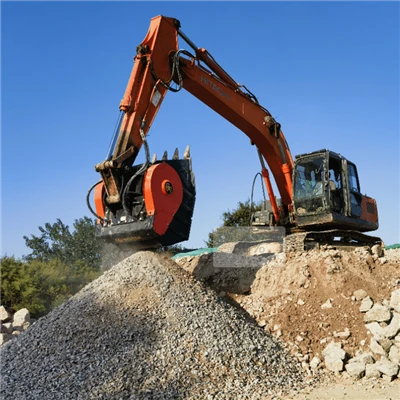
To further enhance the environmental performance of our Big Jaw Crushers, we recommend integrating them with other environmentally friendly equipment. For example, our crushers can be paired with Excavator Jaw Bucket. The Excavator Jaw Bucket can be used to pre - crush large materials before they are fed into the Big Jaw Crusher, improving the overall crushing efficiency and reducing the energy consumption of the crusher.
Similarly, Excavator Crusher and Crusher Bucket Excavator can work in tandem with our Big Jaw Crushers. These equipment can be used for on - site crushing, reducing the need for transporting materials over long distances, which in turn reduces fuel consumption and emissions.
Conclusion
Making Big Jaw Crushers more environmentally friendly is a multi - faceted challenge that requires a combination of innovative design, advanced technology, and sustainable practices. As a supplier, we are committed to continuously improving the environmental performance of our products. By implementing the strategies mentioned above, we can not only reduce the environmental impact of our crushers but also provide our customers with more cost - effective and sustainable solutions.
If you are interested in our environmentally friendly Big Jaw Crushers or want to discuss cooperation opportunities, please feel free to contact us. We are looking forward to working with you to create a more sustainable future in the construction and mining industries.
References
- Smith, J. (2018). Energy - efficient design in industrial crushers. Journal of Mining and Construction Equipment, 25(3), 45 - 52.
- Brown, A. (2019). Dust suppression techniques in crushing operations. Environmental Science and Mining Technology, 12(2), 67 - 74.
- Green, C. (2020). Noise reduction in heavy - duty machinery: A review. Industrial Noise Control Journal, 30(4), 89 - 96.
- White, D. (2021). Recycling and reuse of construction waste in the context of crushing equipment. Sustainable Construction Magazine, 15(5), 102 - 110.