Can soil improvements reduce the risk of flooding in soil - related areas?
Flooding is a natural disaster that has plagued human settlements for centuries, causing significant damage to property, infrastructure, and even loss of life. In soil - related areas, such as agricultural fields, flood - prone plains, and areas with poor soil drainage, the risk of flooding can be particularly high. As a Soil Improvements supplier, I have witnessed firsthand the potential of soil improvement techniques to mitigate this risk.
Soil plays a crucial role in the water cycle. When it rains, soil acts as a sponge, absorbing and storing water. However, in many cases, the natural soil structure has been degraded due to factors such as over - farming, deforestation, and urbanization. Compacted soil, for example, has reduced porosity, which means it can hold less water and allows water to run off more quickly. This rapid runoff can lead to an increase in surface water flow, overwhelming drainage systems and causing floods.
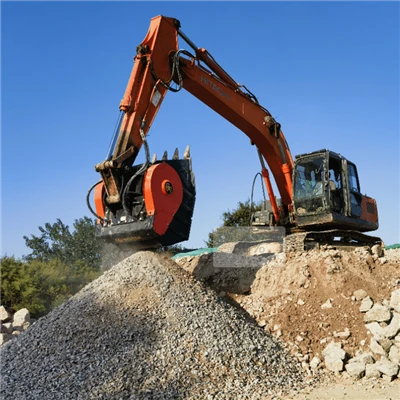
One of the key ways to improve soil's ability to handle water is through the use of Soil Improvement Machine. These machines are designed to break up compacted soil, increase its porosity, and enhance its water - holding capacity. By mechanically aerating the soil, the machine creates channels for water to infiltrate deeper into the ground, rather than running off the surface. This not only reduces the immediate risk of flooding but also helps to recharge groundwater supplies.
In addition to mechanical methods, chemical and biological soil improvement techniques can also be effective. For instance, adding organic matter to the soil can improve its structure and fertility. Organic matter, such as compost or manure, acts as a natural sponge, absorbing and retaining water. It also provides a habitat for beneficial soil organisms, such as earthworms and bacteria, which help to break down organic matter and further improve soil structure. These organisms create tunnels in the soil, which enhance water infiltration and drainage.

Another aspect of soil improvement is Soil Decontamination. Contaminated soil can have a negative impact on its physical and chemical properties, reducing its ability to absorb and retain water. By removing contaminants from the soil, we can restore its natural functions and improve its water - handling capacity. This is particularly important in industrial areas or sites that have been exposed to pollutants, where soil contamination can exacerbate the risk of flooding.
The use of Slurry Infrastructure Maker is also a promising approach. Slurry infrastructure can be used to create barriers or channels that help to control the flow of water. For example, in agricultural fields, slurry can be used to build terraces or bunds, which slow down the flow of water and allow it to infiltrate into the soil. In urban areas, slurry - based infrastructure can be used to line drainage channels, reducing the risk of erosion and improving the efficiency of water management.
To illustrate the effectiveness of soil improvements in reducing flood risk, let's consider a case study. In a rural community that was frequently affected by flooding, a soil improvement project was implemented. The project involved using a Soil Improvement Machine to aerate the soil, adding organic matter to improve its structure, and implementing a slurry - based infrastructure system. After the project was completed, the community noticed a significant reduction in flood events. The improved soil was able to absorb more water during heavy rainfall, and the slurry infrastructure helped to control the flow of water, preventing it from overwhelming the local drainage system.
However, it is important to note that soil improvement is not a one - size - fits - all solution. Different soil types and environmental conditions require different approaches. For example, sandy soils may require more organic matter to improve their water - holding capacity, while clay soils may need mechanical aeration to break up compaction. Additionally, long - term monitoring and maintenance are essential to ensure the continued effectiveness of soil improvement measures.
In conclusion, soil improvements have the potential to significantly reduce the risk of flooding in soil - related areas. By enhancing soil structure, increasing water - holding capacity, and controlling water flow, we can mitigate the impact of heavy rainfall and protect communities from the devastating effects of floods. As a Soil Improvements supplier, I am committed to providing innovative solutions that address the unique needs of each client. Whether it is through the use of advanced Soil Improvement Machines, effective Slurry Infrastructure Makers, or comprehensive Soil Decontamination services, we have the expertise and resources to make a difference.
If you are interested in learning more about how soil improvements can benefit your area and reduce flood risk, I encourage you to reach out to us. We would be more than happy to discuss your specific requirements and provide you with a customized solution. Together, we can work towards a more flood - resilient future.
References
Boardman, J., & Poesen, J. (Eds.). (2006). Soil erosion in Europe. John Wiley & Sons.
Hillel, D. (2004). Introduction to environmental soil physics. Academic Press.
Pierzynski, G. M., Sims, J. T., & Vance, G. F. (Eds.). (2005). Soil science: Methods and applications. CRC Press.