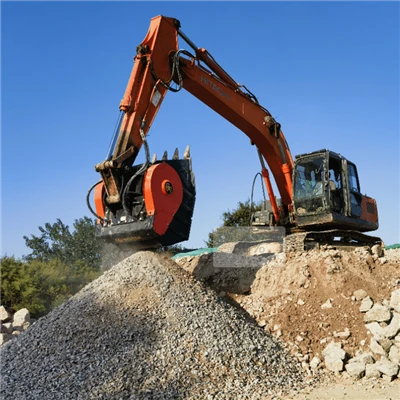
As a seasoned supplier of Bucket Screeners, I understand the significance of maximizing the lifespan of these essential pieces of equipment. A longer lifespan not only reduces the frequency of replacements but also enhances the overall efficiency and productivity of your operations. In this blog post, I will share some valuable insights and practical tips on how to increase the lifespan of a Bucket Screener.
Regular Maintenance
One of the most crucial factors in extending the lifespan of a Bucket Screener is regular maintenance. Just like any other machinery, a Bucket Screener requires routine checks, cleaning, and servicing to ensure optimal performance and prevent premature wear and tear. Here are some key maintenance tasks that you should prioritize:
- Inspect the Screening Elements: Regularly examine the screening elements, such as the mesh or bars, for any signs of damage, such as tears, holes, or excessive wear. Replace any damaged elements promptly to maintain the screening efficiency and prevent further damage to the equipment.
- Clean the Bucket and Screening Elements: Remove any debris, dirt, or material buildup from the bucket and screening elements after each use. This helps prevent clogging, which can reduce the screening performance and put additional stress on the equipment.
- Lubricate Moving Parts: Ensure that all moving parts, such as bearings, hinges, and hydraulic cylinders, are properly lubricated according to the manufacturer's recommendations. Lubrication reduces friction, wear, and tear, and helps prevent rust and corrosion.
- Check the Hydraulic System: Inspect the hydraulic system for any leaks, damage, or abnormal pressure. Maintain the proper hydraulic fluid level and change the fluid and filters at the recommended intervals to ensure smooth operation and prevent system failures.
- Inspect the Structural Components: Check the structural components of the Bucket Screener, such as the frame, arms, and mounting brackets, for any signs of cracks, deformation, or loose connections. Repair or replace any damaged components immediately to ensure the safety and stability of the equipment.
Proper Operation
In addition to regular maintenance, proper operation of the Bucket Screener is essential for maximizing its lifespan. Here are some important tips to keep in mind when operating a Bucket Screener:
- Follow the Manufacturer's Instructions: Always read and follow the manufacturer's operating manual and instructions carefully. This includes guidelines on proper installation, operation, maintenance, and safety precautions.
- Use the Right Equipment: Ensure that the Bucket Screener is properly matched to the equipment it is being used with, such as the excavator or loader. Using the wrong size or type of Bucket Screener can put excessive stress on the equipment and reduce its lifespan.
- Operate at the Correct Speed and Pressure: Avoid overloading the Bucket Screener or operating it at excessive speeds or pressures. This can cause premature wear and tear on the screening elements, hydraulic system, and other components.
- Avoid Contact with Hard or Sharp Objects: Do not use the Bucket Screener to handle hard or sharp objects, such as rocks, concrete, or metal scraps, as this can damage the screening elements and other components. If necessary, use a protective liner or screening media to prevent damage.
- Store the Equipment Properly: When not in use, store the Bucket Screener in a dry, protected area to prevent rust and corrosion. Cover the equipment with a tarp or other protective covering to keep it clean and free from debris.
Quality Components and Materials
The quality of the components and materials used in the construction of the Bucket Screener can also have a significant impact on its lifespan. When choosing a Bucket Screener, it is important to select a high-quality product that is made from durable materials and components. Here are some factors to consider when evaluating the quality of a Bucket Screener:

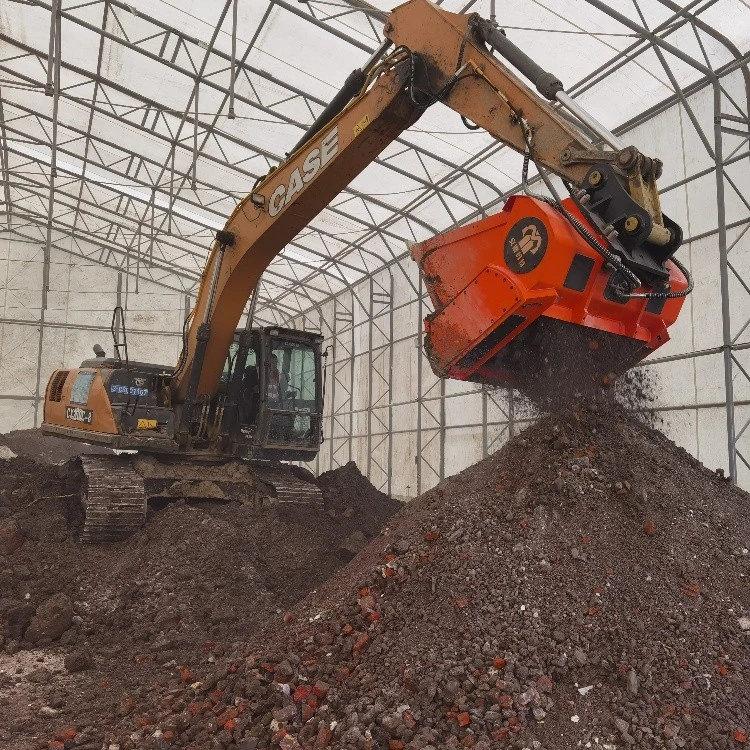
- Screening Elements: Look for a Bucket Screener that uses high-quality screening elements, such as heavy-duty mesh or bars, that are designed to withstand the rigors of the screening process. The screening elements should be easy to replace and have a long service life.
- Hydraulic System: A reliable hydraulic system is essential for the smooth operation of the Bucket Screener. Look for a product that uses high-quality hydraulic components, such as pumps, valves, and cylinders, that are designed to provide consistent performance and durability.
- Structural Components: The structural components of the Bucket Screener, such as the frame, arms, and mounting brackets, should be made from high-strength materials, such as steel or aluminum, that are designed to withstand the forces of the screening process. The components should be welded or bolted together securely to ensure the safety and stability of the equipment.
- Warranty and Support: Choose a Bucket Screener that comes with a comprehensive warranty and reliable customer support. This ensures that you have access to technical assistance and replacement parts in case of any issues or problems with the equipment.
Training and Education
Proper training and education of the operators are also essential for maximizing the lifespan of the Bucket Screener. Operators should be trained on how to operate the equipment safely and efficiently, as well as how to perform routine maintenance tasks. Here are some benefits of providing training and education to operators:
- Improved Safety: Proper training helps operators understand the safety risks associated with operating the Bucket Screener and how to prevent accidents and injuries. This reduces the likelihood of downtime and costly repairs due to accidents.
- Enhanced Performance: Trained operators are more likely to operate the Bucket Screener at the correct speed and pressure, which can improve the screening performance and efficiency. This can result in higher productivity and lower operating costs.
- Reduced Maintenance Costs: Operators who are trained on how to perform routine maintenance tasks can identify and address potential problems early on, which can prevent more serious issues from developing. This can reduce the frequency of breakdowns and the cost of repairs.
Conclusion
In conclusion, increasing the lifespan of a Bucket Screener requires a combination of regular maintenance, proper operation, quality components and materials, and training and education. By following these tips and best practices, you can ensure that your Bucket Screener operates at peak performance for many years to come.
As a leading supplier of Bucket Screeners, we offer a wide range of high-quality products, including Screening Bucket for Digger, Loader Screening Bucket, and Digging Screening Bucket. Our products are designed to provide reliable performance and long-lasting durability, and we offer comprehensive support and service to ensure your satisfaction.
If you are interested in purchasing a Bucket Screener or learning more about how to increase its lifespan, please feel free to contact us for a consultation and quote. We look forward to working with you to meet your screening needs.
References
- Manufacturer's operating manuals for Bucket Screeners.
- Industry best practices for equipment maintenance and operation.