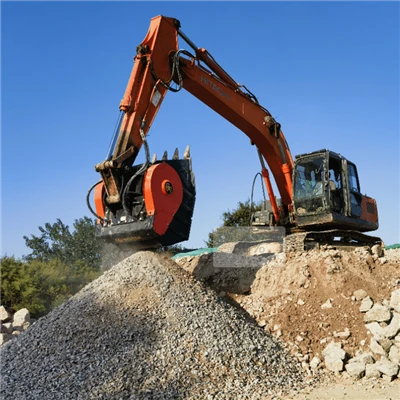
Hey there! As a supplier of Bucket Rock Crushers, I've seen firsthand how these machines can be a game - changer on construction sites, mines, and other heavy - duty operations. But like any piece of equipment, they need proper maintenance to keep running smoothly and efficiently. In this blog, I'll share some tips on how to maintain a Bucket Rock Crusher.
Regular Inspections
First off, regular inspections are crucial. You should check your Bucket Rock Crusher before and after each use. Look for any visible signs of wear and tear, such as cracks in the housing, loose bolts, or damaged parts. Make sure all the moving parts are well - lubricated. If you notice any issues during your inspection, address them right away. Ignoring small problems can lead to bigger, more expensive repairs down the line.
When you're inspecting the crusher, pay special attention to the jaws. The jaws are the key components that do the actual crushing work. Over time, they can wear out, especially if you're using the crusher to break down hard rocks. You can check the wear of the jaws by measuring their thickness. If the jaws are worn beyond the recommended limit, it's time to replace them. You can find high - quality replacement jaws at many suppliers, and it's worth investing in good ones to ensure the performance of your crusher.
Lubrication
Lubrication is another important aspect of maintenance. All the moving parts in a Bucket Rock Crusher need to be properly lubricated to reduce friction and prevent premature wear. You should follow the manufacturer's recommendations for the type of lubricant to use and the frequency of lubrication.
Typically, the bearings, gears, and other moving parts need to be lubricated regularly. You can use a grease gun to apply grease to the bearings. Make sure to clean the grease fittings before applying new grease to prevent dirt and debris from getting into the bearings. For gears, you may need to use a special gear oil. Check the oil level regularly and top it up if necessary.
Cleaning
Keeping your Bucket Rock Crusher clean is also essential. After each use, you should clean the crusher to remove any dirt, dust, and rock particles. You can use a high - pressure water hose to clean the exterior of the crusher. Make sure to get into all the nooks and crannies to remove any stubborn debris.
Inside the crusher, you may need to use a brush or a compressed air gun to clean the internal components. Removing the build - up of rock dust and debris can prevent clogging and improve the overall performance of the crusher. If you're working in a particularly dusty environment, you may need to clean the crusher more frequently.
Belt Tension
If your Bucket Rock Crusher has a belt - driven system, checking the belt tension is important. A loose belt can slip, causing a loss of power and efficiency. On the other hand, a belt that is too tight can put extra stress on the bearings and other components, leading to premature wear.
You can check the belt tension by pressing down on the belt at the mid - point between the pulleys. There should be a small amount of deflection. If the belt is too loose, you can adjust the tension by moving the motor or the pulley. If the belt is too tight, you can loosen it accordingly. Make sure to follow the manufacturer's instructions when adjusting the belt tension.
Electrical System (if applicable)
Some Bucket Rock Crushers may have an electrical system, especially those with motors or sensors. If your crusher has an electrical system, you need to check it regularly. Look for any loose connections, frayed wires, or signs of corrosion. Make sure all the electrical components are functioning properly.
If you're not familiar with electrical systems, it's best to have a professional electrician check the system for you. Electrical problems can be dangerous, so it's important to address them as soon as possible.
Sharpening and Replacement of Parts
As mentioned earlier, the jaws of the crusher will wear out over time. In addition to the jaws, other parts such as the crushing plates and liners may also need to be sharpened or replaced. Sharpening the crushing plates can improve the crushing efficiency and reduce the amount of energy required to break down the rocks.
You can find replacement parts for your Bucket Rock Crusher from various suppliers. When choosing replacement parts, make sure they are compatible with your crusher model. Using the wrong parts can lead to poor performance and even damage to the crusher.
Training for Operators
Proper training for operators is also a form of maintenance. Well - trained operators are more likely to use the Bucket Rock Crusher correctly, which can reduce the risk of damage and extend the lifespan of the machine.
Operators should be trained on how to start and stop the crusher safely, how to load the rocks properly, and how to perform basic maintenance tasks. They should also be aware of the safety precautions when working with the crusher, such as wearing appropriate protective gear.
Storage
When the Bucket Rock Crusher is not in use, proper storage is important. Store the crusher in a dry, sheltered area to prevent rust and corrosion. If possible, cover the crusher with a tarp to protect it from the elements.
Before storing the crusher, make sure to clean it thoroughly and lubricate all the moving parts. You may also want to drain the fuel and oil from the engine (if applicable) to prevent damage during storage.
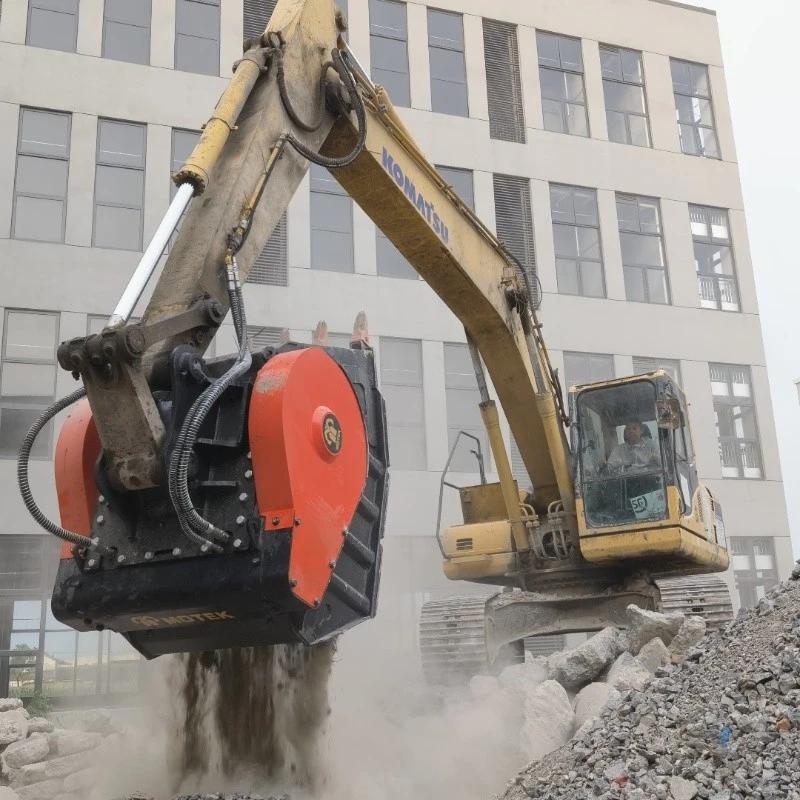

In conclusion, maintaining a Bucket Rock Crusher requires regular inspections, proper lubrication, cleaning, and timely replacement of parts. By following these tips, you can keep your crusher in top condition and ensure its long - term performance.
If you're in the market for a new Bucket Rock Crusher or need replacement parts, we're here to help. We offer a wide range of high - quality crushers, including Jaw Crusher for Excavator, Large Jaw Crusher, and Excavator Jaw Crusher. If you have any questions or want to discuss your specific needs, don't hesitate to reach out. We're ready to assist you with your purchase and provide you with the best solutions for your crushing requirements.
References
- Manufacturer's manuals for Bucket Rock Crushers
- Industry best practices for heavy - equipment maintenance