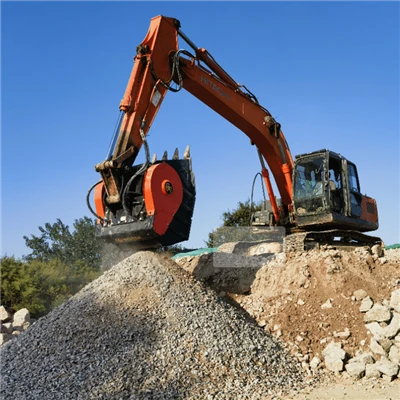
Hey there! As a supplier of soil mixing equipment, I've seen firsthand the importance of efficient soil mixing in various projects. Whether it's for construction, Soil Remediation, or agricultural purposes, getting the mixing right can make or break the outcome. In this blog, I'm gonna share some tips on how to improve the mixing efficiency of soil mixing equipment.


1. Choose the Right Equipment
First things first, you gotta pick the right soil mixing equipment for the job. There are different types of mixers out there, each with its own strengths and weaknesses. For example, if you're dealing with large volumes of soil, a continuous mixer might be the way to go. These mixers can handle a steady stream of soil and additives, ensuring a consistent mix. On the other hand, if you have smaller batches or need more precise control, a batch mixer could be a better option.
When selecting equipment, consider factors like the type of soil you'll be working with, the required mixing capacity, and the additives you'll be using. Also, make sure to choose a reliable brand. We offer a wide range of Soil Mixing Head and Soil Stabilization Equipment that are designed to meet different project needs.
2. Prepare the Soil Properly
Before you start mixing, it's crucial to prepare the soil properly. This means removing any large debris, rocks, or vegetation that could interfere with the mixing process. You can use a rake, a sieve, or other tools to clean the soil.
Another important step is to break up any clumps in the soil. Clumps can prevent the additives from being evenly distributed, resulting in an inconsistent mix. You can use a tiller or a shredder to break up the clumps and create a more uniform soil texture.
3. Use the Right Additives
Additives play a key role in soil mixing. They can improve the soil's properties, such as its strength, stability, and water retention. However, using the wrong additives or the wrong amount of additives can actually reduce the mixing efficiency.
Make sure to choose additives that are compatible with the soil type and the project requirements. For example, if you're working on a construction project, you might need to use cement or lime to stabilize the soil. If you're doing Soil Remediation, you might need to use chemicals to remove contaminants.
Also, follow the manufacturer's instructions when adding additives. Over - adding or under - adding additives can lead to problems. Use a measuring device to ensure accurate dosing.
4. Optimize the Mixing Process
The way you operate the soil mixing equipment can have a big impact on the mixing efficiency. Here are some tips to optimize the mixing process:
- Set the right speed: Different types of soil and additives require different mixing speeds. If the speed is too slow, the mix might not be thorough. If the speed is too fast, it could cause the soil to splash out or damage the equipment. Experiment with different speeds to find the optimal one for your project.
- Mix for the right amount of time: Mixing time is also crucial. You need to mix the soil and additives long enough to ensure a homogeneous mix, but not so long that it becomes a waste of time and energy. Check the equipment's manual or consult with an expert to determine the appropriate mixing time.
- Ensure proper loading: Don't overload the mixer. Overloading can cause the equipment to work inefficiently and may even damage it. Make sure to load the soil and additives in the correct proportions and within the mixer's capacity.
5. Maintain the Equipment Regularly
Regular maintenance is essential for keeping the soil mixing equipment in good working condition. A well - maintained mixer will operate more efficiently and have a longer lifespan.
Here are some maintenance tasks you should perform regularly:
- Clean the equipment: After each use, clean the mixer thoroughly to remove any soil, additives, or debris. This will prevent buildup and corrosion, which can affect the equipment's performance.
- Lubricate moving parts: Lubricating the moving parts, such as the bearings and gears, will reduce friction and wear. Use the recommended lubricant and follow the manufacturer's instructions.
- Inspect for damage: Regularly inspect the equipment for any signs of damage, such as cracks, leaks, or loose parts. Repair or replace any damaged components as soon as possible to prevent further problems.
6. Train the Operators
Even the best equipment won't perform well if the operators don't know how to use it properly. Make sure to provide proper training to the operators. They should be familiar with the equipment's controls, safety procedures, and maintenance requirements.
Training can also help the operators understand the importance of efficient mixing and how to troubleshoot common problems. Encourage them to ask questions and share their experiences to improve the overall mixing process.
7. Monitor and Evaluate the Results
Finally, it's important to monitor and evaluate the results of the soil mixing. Take samples of the mixed soil at regular intervals and test them to ensure that the desired properties are being achieved.
If the results are not satisfactory, analyze the process to identify the problem. It could be due to issues with the equipment, the soil preparation, the additives, or the mixing process itself. Make the necessary adjustments and try again.
By continuously monitoring and evaluating the results, you can improve the mixing efficiency over time and ensure the success of your projects.
In conclusion, improving the mixing efficiency of soil mixing equipment requires a combination of choosing the right equipment, preparing the soil properly, using the right additives, optimizing the mixing process, maintaining the equipment, training the operators, and monitoring the results. If you're looking for high - quality soil mixing equipment or need more advice on improving mixing efficiency, feel free to reach out. We're here to help you achieve the best results for your projects. Let's talk about your specific needs and see how we can work together to make your soil mixing projects a success!
References
- "Soil Mixing Technology and Applications" - A technical guide on soil mixing processes and equipment.
- Manufacturer's manuals for soil mixing equipment.
- Industry research papers on soil stabilization and remediation.