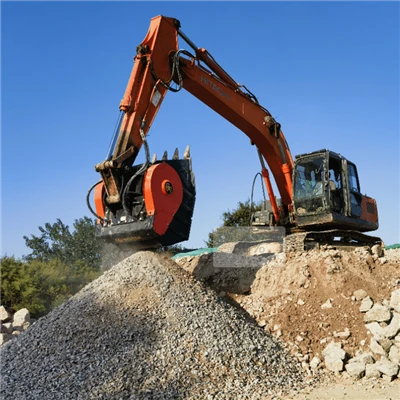
When it comes to the operation of a Bucket Screener, ensuring the safety of operators is of paramount importance. As a reliable Bucket Screener supplier, we understand the critical role that safety plays in the efficient and successful use of our equipment. In this blog post, we will delve into the key aspects of ensuring operator safety when using a Bucket Screener, providing valuable insights and practical tips.
Pre - operation Safety Checks
Before starting to use a Bucket Screener, thorough pre - operation safety checks are essential. First and foremost, operators should visually inspect the entire machine. Check for any signs of damage, such as cracks in the bucket structure, loose bolts, or worn - out parts. A damaged Bucket Screener can pose a significant risk during operation. For instance, a loose bolt could lead to parts coming off during screening, potentially causing injury to the operator or those nearby.

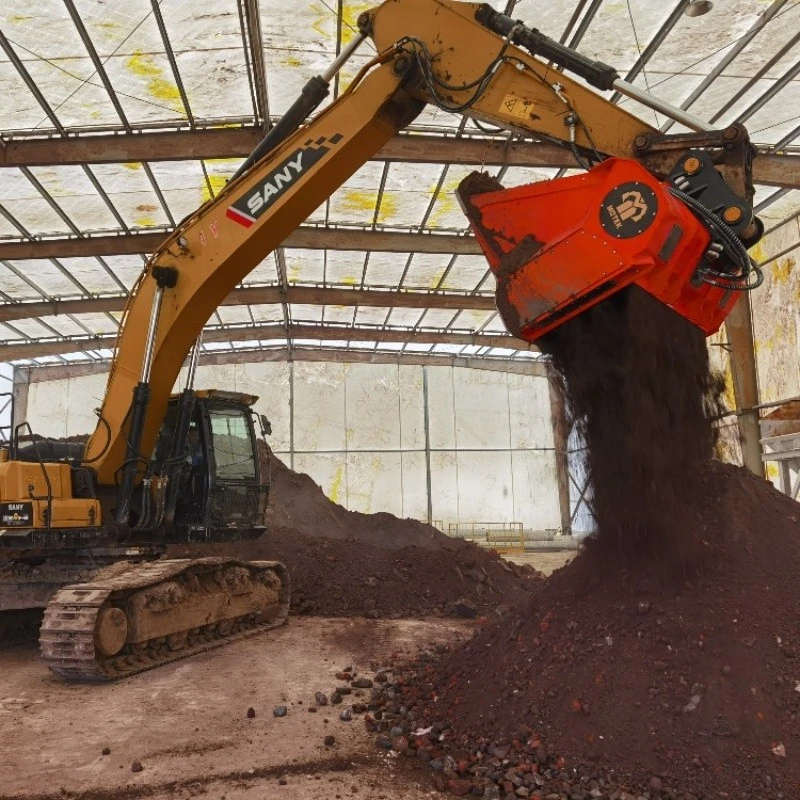
Inspect the screening elements carefully. The screening meshes or bars should be in good condition, without any significant wear or breakage. If the screening elements are damaged, it may not only affect the screening efficiency but also lead to the release of large or sharp objects that could harm the operator.
Verify the functionality of all safety devices. This includes emergency stop buttons, safety guards, and warning signs. The emergency stop button should be easily accessible and in proper working condition. Safety guards are designed to prevent operators from coming into contact with moving parts, so they must be intact and properly installed. Warning signs should be clearly visible and legible, providing important information about potential hazards.
Operator Training
Proper operator training is a cornerstone of ensuring safety when using a Bucket Screener. Operators should receive comprehensive training on the operation, maintenance, and safety procedures of the equipment. Our company provides professional training programs for operators, covering both theoretical knowledge and practical skills.
The theoretical part of the training includes an understanding of the Bucket Screener's working principles, technical specifications, and potential hazards. Operators need to know how the machine functions, what factors can affect its performance, and what safety measures are in place to protect them.
Practical training is equally important. Operators should be trained on how to start, stop, and operate the Bucket Screener safely. They should learn proper techniques for loading and unloading materials, adjusting the screening settings, and handling different types of materials. For example, when screening wet or sticky materials, special techniques may be required to prevent clogging and ensure smooth operation.
Regular refresher training courses should also be provided to keep operators updated on the latest safety regulations, equipment improvements, and best practices. This helps to reinforce safety awareness and ensure that operators are always using the equipment correctly.
Personal Protective Equipment (PPE)
The use of appropriate Personal Protective Equipment (PPE) is non - negotiable for operators using a Bucket Screener. PPE serves as the last line of defense against potential hazards.
Safety helmets are a must. They protect the operator's head from falling objects, such as rocks or debris that may be ejected during the screening process. Safety glasses or goggles are necessary to protect the eyes from dust, flying particles, and splashes.
Hearing protection is often overlooked but is crucial. The operation of a Bucket Screener can generate high - level noise, which can cause long - term hearing damage. Operators should wear earplugs or earmuffs to reduce the noise exposure.
Gloves are important for protecting the hands from cuts, abrasions, and chemical substances. Depending on the type of materials being screened, operators may need to wear different types of gloves. For example, when screening sharp or rough materials, cut - resistant gloves are recommended.
Steel - toed boots are essential to protect the feet from heavy objects, falling materials, and potential crushing hazards. They provide an extra layer of safety in case of accidental impacts.
Safe Working Environment
Creating a safe working environment is vital for the safety of operators using a Bucket Screener. The work area should be well - organized and free from clutter. There should be sufficient space around the machine for operators to move freely and perform their tasks safely.
The ground where the Bucket Screener is placed should be level and stable. An uneven or unstable surface can cause the machine to tip over, posing a serious risk to the operator. If necessary, the ground should be prepared and leveled before setting up the equipment.
Good lighting is essential, especially in low - light conditions or during night - time operations. Adequate lighting helps operators to see clearly, reducing the risk of accidents. Warning signs and markings should be clearly visible in the work area, indicating potential hazards, safe walkways, and emergency exits.
Maintenance and Inspection
Regular maintenance and inspection of the Bucket Screener are crucial for ensuring its safe operation. Our company provides detailed maintenance schedules and guidelines to help operators keep the equipment in good condition.
Routine maintenance tasks include lubricating moving parts, checking fluid levels (such as hydraulic fluid), and tightening bolts. Lubrication reduces friction and wear, ensuring smooth operation of the machine. Checking fluid levels helps to prevent equipment failures and ensures proper functioning of the hydraulic system.
In addition to routine maintenance, regular inspections should be carried out by qualified technicians. They can identify potential problems early and perform necessary repairs or replacements. For example, they can check the integrity of the screening elements, the condition of the hydraulic hoses, and the performance of the engine.
Emergency Preparedness
Despite all the preventive measures, emergencies can still occur. Operators should be well - prepared to handle emergencies effectively. An emergency response plan should be in place, outlining the steps to be taken in case of an accident, fire, or other emergencies.
The emergency response plan should include procedures for evacuating the work area, providing first - aid to injured personnel, and contacting emergency services. Operators should be trained on the emergency response plan and know how to use emergency equipment, such as fire extinguishers and first - aid kits.
Regular emergency drills should be conducted to ensure that operators are familiar with the emergency procedures and can respond quickly and effectively in a real - life situation.
Conclusion
Ensuring the safety of operators when using a Bucket Screener requires a comprehensive approach that includes pre - operation checks, operator training, the use of PPE, creating a safe working environment, regular maintenance, and emergency preparedness. As a Bucket Screener supplier, we are committed to providing high - quality equipment and comprehensive support to help our customers ensure the safety of their operators.
If you are interested in our Screening Bucket for Digger, Digger Screening Bucket, or Screening Buckets, please feel free to contact us for more information. We are ready to discuss your specific needs and provide you with the best solutions.
References
- OSHA (Occupational Safety and Health Administration) guidelines on industrial equipment safety.
- Manufacturer's manuals and technical documents for Bucket Screeners.
- Industry best practices and standards for screening equipment operation.