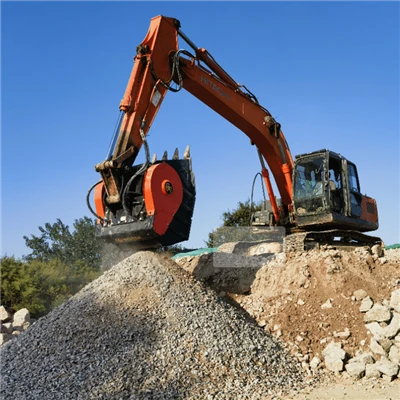
When it comes to soil mixing equipment, selecting the right supplier is a critical decision that can significantly impact the success of your projects. As a soil mixing equipment supplier, I understand the challenges and considerations that go into this choice. In this blog post, I'll share some insights on how to choose a soil mixing equipment supplier that meets your needs.
Quality and Reliability
The first and foremost factor to consider is the quality and reliability of the equipment. High - quality soil mixing equipment ensures efficient and effective soil treatment, which is essential for the stability and durability of your construction projects. A reliable supplier will use top - notch materials and advanced manufacturing processes to produce equipment that can withstand the rigors of heavy - duty use.
Look for suppliers who have a proven track record of delivering high - quality products. You can check customer reviews and testimonials online, or ask for references from the supplier directly. For example, if a supplier has been in the industry for many years and has a large number of satisfied customers, it's a good indication of the quality of their equipment.
In addition, reliable equipment reduces the risk of breakdowns and downtime on your job site. This can save you a significant amount of money in terms of repair costs and lost productivity. A supplier that offers a warranty on their equipment is also a sign of confidence in the quality of their products.
Product Range
Another important aspect is the product range offered by the supplier. Different soil mixing projects may require different types of equipment. For instance, in - situ soil stabilization methods often demand specialized equipment to ensure proper mixing of soil and additives. You can learn more about In - situ Soil Stabilization Methods on our website.
A comprehensive product range allows you to find all the equipment you need from a single supplier. This simplifies the procurement process and can also lead to cost savings through volume discounts. A good supplier should offer a variety of soil mixing heads and machines. The Soil Mixing Head is a crucial component that directly affects the mixing efficiency, and a diverse selection of heads can meet different project requirements. Similarly, the Soil Mixing Machine comes in various sizes and configurations, and a wide range gives you the flexibility to choose the most suitable one for your project scale.
Technical Support
Technical support is vital, especially when dealing with complex soil mixing equipment. A supplier that provides excellent technical support can help you with installation, operation, and maintenance of the equipment. They should have a team of experienced technicians who can answer your questions promptly and offer on - site support if necessary.
During the installation process, technical support can ensure that the equipment is set up correctly, which is crucial for its optimal performance. In case of any issues during operation, the supplier's technicians can diagnose the problem quickly and provide solutions. Regular maintenance advice from the supplier can also extend the lifespan of your equipment and keep it running smoothly.
Customization Options
Every soil mixing project has its unique requirements. A supplier that offers customization options can tailor the equipment to meet your specific needs. This could involve modifying the size, capacity, or functionality of the soil mixing equipment.
For example, if you are working on a project with limited space, a customized soil mixing machine can be designed to fit into the available area. Customization also allows you to incorporate specific features or technologies that are required for your particular soil treatment process.
Cost - effectiveness
Cost is always a consideration when choosing a supplier. However, it's important to look beyond the initial purchase price. Consider the total cost of ownership, which includes factors such as maintenance costs, energy consumption, and the lifespan of the equipment.
A cheaper piece of equipment may end up costing you more in the long run if it has high maintenance requirements or consumes a large amount of energy. On the other hand, a more expensive but high - quality and energy - efficient piece of equipment can save you money over time. Look for a supplier that offers a good balance between quality and cost.
Reputation and Industry Standing
The reputation and industry standing of the supplier are important indicators of their reliability and trustworthiness. A supplier with a good reputation is more likely to provide high - quality products and services. You can research the supplier's reputation through industry associations, trade shows, and online forums.
A supplier that is actively involved in industry research and development is also a good sign. It shows their commitment to innovation and continuous improvement of their products. They are more likely to introduce new and advanced technologies to the market, which can give you a competitive edge in your projects.
After - sales Service
After - sales service is an often - overlooked but crucial factor. A supplier that offers comprehensive after - sales service can ensure that your equipment remains in good working condition throughout its lifespan. This includes providing spare parts, repair services, and training programs.
Spare parts should be readily available to minimize downtime in case of a breakdown. A reliable supplier should have a well - stocked inventory of spare parts or a fast - delivery system. Repair services should be prompt and carried out by qualified technicians. Training programs can help your operators use the equipment safely and efficiently, reducing the risk of accidents and equipment damage.
Environmental Considerations
In today's environmentally conscious world, it's important to choose a supplier that takes environmental considerations into account. Look for equipment that is energy - efficient and reduces emissions. A supplier that is committed to sustainable manufacturing practices is also a plus.
Energy - efficient soil mixing equipment not only reduces your carbon footprint but also saves you money on energy costs. For example, some modern soil mixing machines are designed with advanced motor systems that consume less power while maintaining high performance.
Compliance and Certification
The supplier's equipment should comply with relevant industry standards and regulations. This ensures the safety and quality of the equipment. Look for suppliers whose products are certified by recognized organizations.
Certification indicates that the equipment has undergone rigorous testing and meets specific quality and safety criteria. It also gives you peace of mind knowing that you are using equipment that is legal and reliable in your projects.
Choosing the Right Supplier for Your Soil Mixing Equipment
In conclusion, choosing the right soil mixing equipment supplier requires careful consideration of multiple factors. Quality and reliability, product range, technical support, customization options, cost - effectiveness, reputation, after - sales service, environmental considerations, and compliance are all important aspects to evaluate.
As a soil mixing equipment supplier, we understand these needs and strive to provide our customers with the best products and services. Our wide range of high - quality soil mixing equipment, combined with excellent technical support, customization options, and after - sales service, makes us a reliable partner for your soil mixing projects.


If you are interested in learning more about our soil mixing equipment or have any specific requirements for your project, we encourage you to reach out to us for a procurement discussion. We are committed to helping you find the most suitable soil mixing solution for your needs.
References
- Industry standards and guidelines for soil mixing equipment.
- Customer testimonials and case studies related to soil mixing equipment suppliers.