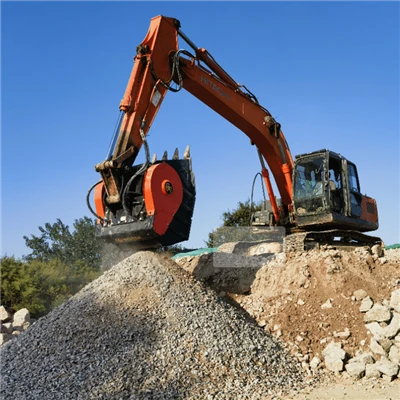
Hey there! As a supplier of Best Screening Buckets, I often get asked this question: How often should the Best Screening Bucket be replaced? Well, it's not a one - size - fits - all answer, and there are several factors that come into play. Let's dig into it.
1. Usage Frequency
The more you use your screening bucket, the faster it's going to wear out. If you're using it on a daily basis for heavy - duty projects, it's going to experience a lot more stress compared to a bucket that's used only occasionally.
For example, if you're running a large - scale construction site where the Recycling Screening Bucket is constantly sorting through different types of construction waste, the wear and tear on the bucket will be significant. The constant impact of materials against the screening bars and the frame can cause them to bend, break, or become loose over time.


On the other hand, if you're using a Digger Screening Bucket for a small landscaping project once a month, the bucket will last much longer. In general, for high - frequency users, you might need to consider replacing the bucket every 1 - 2 years. For low - frequency users, it could last 3 - 5 years or even longer.
2. Type of Material Being Screened
The nature of the material you're screening has a huge impact on the lifespan of the screening bucket. Some materials are much more abrasive than others.
If you're screening gravel or crushed stone, these materials are quite hard and can quickly wear down the screening bars. The sharp edges of the stones can scrape against the metal, causing it to thin out over time. Similarly, if you're using a Soil Screening Bucket to sift through soil that contains a lot of rocks or debris, the bucket will face more wear.
On the contrary, screening softer materials like sand or compost is less harsh on the bucket. The particles are smaller and less likely to cause significant damage. When dealing with abrasive materials, you may need to replace the bucket more frequently, perhaps every 1 - 1.5 years. For softer materials, the replacement interval could be extended to 2 - 3 years.
3. Maintenance and Care
Proper maintenance can significantly extend the life of your screening bucket. Regular cleaning is essential. After each use, make sure to remove any remaining material from the bucket. This prevents the buildup of dirt and debris, which can corrode the metal and cause damage over time.
You should also inspect the bucket regularly for signs of wear. Check the screening bars for any signs of bending or breakage. Tighten any loose bolts or screws. Lubricate the moving parts if there are any. A well - maintained bucket will last longer than one that's neglected.
If you take good care of your bucket, you might be able to push the replacement time back by a year or more. For instance, if you follow a strict maintenance schedule, a bucket that would normally need replacement in 1.5 years for a high - frequency user could last up to 2.5 years.
4. Quality of the Screening Bucket
The quality of the screening bucket you purchase in the first place matters a great deal. A high - quality bucket made from durable materials and with good craftsmanship will last longer than a cheaper, lower - quality alternative.
When you buy a Best Screening Bucket from us, you're getting a product that's built to last. We use high - grade steel for the frame and screening bars, which are designed to withstand heavy use and abrasion. Our manufacturing process ensures that the components are well - made and properly assembled.
A high - quality bucket can last 20 - 30% longer than a lower - quality one under the same usage conditions. So, even though you might pay a bit more upfront, it can save you money in the long run by reducing the frequency of replacement.
Signs That It's Time to Replace Your Screening Bucket
- Excessive Wear on Screening Bars: If the screening bars are significantly worn down, they won't be able to screen the material effectively. You might notice that larger particles are slipping through, which means the bucket is no longer doing its job properly.
- Structural Damage: Cracks in the frame or bent components can compromise the integrity of the bucket. This can lead to further damage and even pose a safety risk.
- Inefficient Screening: If you find that the bucket is taking much longer to screen the same amount of material or if the screening quality has decreased, it could be a sign that the bucket is worn out.
Conclusion
So, as you can see, there's no fixed answer to how often the Best Screening Bucket should be replaced. It depends on usage frequency, the type of material being screened, maintenance, and the quality of the bucket. By considering these factors and keeping an eye out for the signs of wear, you can make an informed decision about when to replace your bucket.
If you're in the market for a new screening bucket or have any questions about our products, don't hesitate to reach out. We're here to help you find the best solution for your needs. Whether you need a Recycling Screening Bucket, a Digger Screening Bucket, or a Soil Screening Bucket, we've got you covered.
References
- Industry research on screening bucket durability
- Internal data from our company on screening bucket usage and replacement