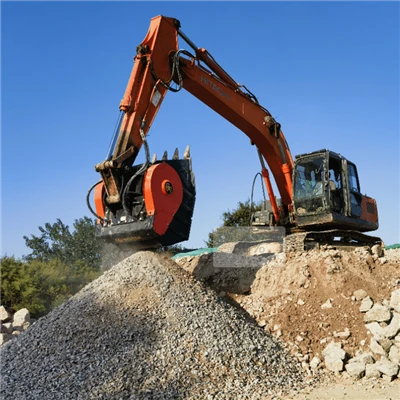
As a reputable supplier of soil mixing machines, I've witnessed firsthand the challenges posed by hard - packed soil in various construction and environmental projects. Hard - packed soil, often the result of natural compaction over time, heavy machinery traffic, or poor drainage, can be a formidable obstacle. In this blog, I'll delve into how our soil mixing machines effectively deal with this issue, exploring the technology, processes, and benefits involved.
Understanding Hard - Packed Soil
Hard - packed soil is characterized by its high density and low porosity. These properties make it difficult for water to penetrate, plant roots to grow, and for construction activities to take place. The lack of aeration and water infiltration can lead to poor soil health, which in turn affects the success of agricultural projects and the stability of construction foundations.
In construction, hard - packed soil can cause uneven settling of structures, leading to cracks and other structural issues. In environmental restoration projects, it can impede the growth of native vegetation, hindering the reclamation of degraded lands. Therefore, addressing hard - packed soil is crucial for the success of these projects.
The Role of Soil Mixing Machines
Soil mixing machines play a pivotal role in transforming hard - packed soil into a more workable and fertile medium. Our machines are designed to break up the compacted soil, mix in additives, and improve the overall soil structure.
Mechanical Breakup
One of the primary functions of our soil mixing machines is to physically break up the hard - packed soil. The machines are equipped with powerful rotating blades or tines that penetrate the soil and shatter the compacted layers. The design of these blades is crucial, as they need to be strong enough to break through the dense soil while also being able to mix the soil effectively.
For example, our Power Mixer is engineered with high - strength alloy blades that can withstand the extreme forces encountered when dealing with hard - packed soil. The blades are arranged in a specific pattern to ensure maximum coverage and efficient soil breakup. As the machine moves forward, the blades churn the soil, reducing the large, compacted clumps into smaller, more manageable pieces.
Additive Incorporation
Once the hard - packed soil is broken up, our soil mixing machines can incorporate various additives to improve its properties. These additives can include lime, cement, fly ash, or organic matter, depending on the specific requirements of the project.

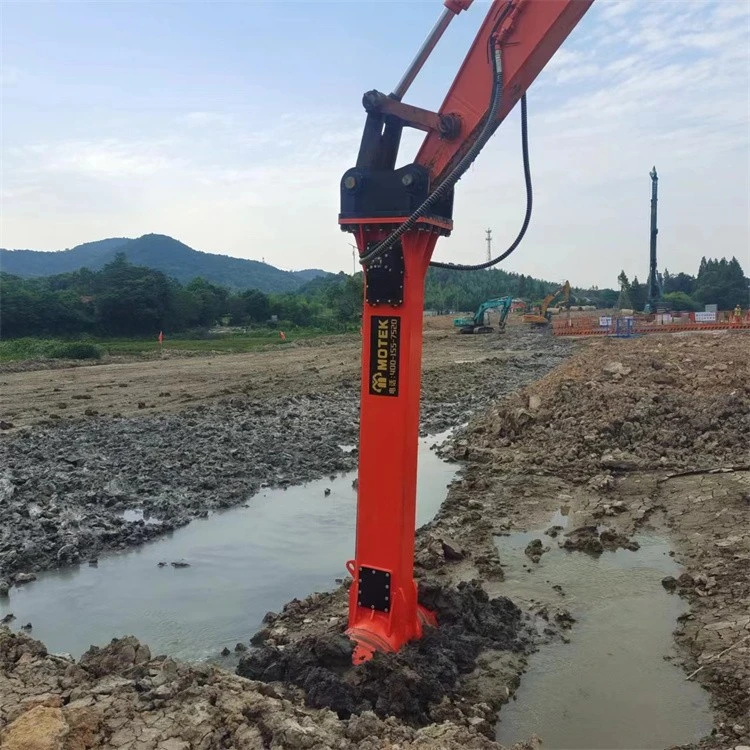
Lime and cement are commonly used to stabilize the soil, increasing its strength and reducing its plasticity. They react with the soil particles to form a more cohesive and stable matrix. Fly ash, a by - product of coal combustion, can also be added to improve the soil's workability and reduce its water - holding capacity. Organic matter, such as compost or manure, enriches the soil with nutrients and improves its structure by increasing its porosity and water - holding capacity.
Our soil mixing machines are capable of accurately metering and mixing these additives into the soil. They have sophisticated control systems that ensure the correct amount of additive is added based on the soil type and project specifications. This precise mixing is essential for achieving the desired soil properties and ensuring the long - term success of the project.
Homogeneous Mixing
Another key feature of our soil mixing machines is their ability to create a homogeneous mixture of the broken - up soil and additives. A homogeneous mixture is crucial for ensuring uniform soil properties throughout the treated area.
Our machines use a combination of mechanical agitation and hydraulic forces to achieve thorough mixing. The rotating blades not only break up the soil but also continuously stir the mixture, ensuring that the additives are evenly distributed. In addition, some of our models are equipped with hydraulic systems that can further enhance the mixing process by creating turbulent flow within the soil.
Processes Involved in Dealing with Hard - Packed Soil
The process of using our soil mixing machines to deal with hard - packed soil typically involves several steps.
Site Assessment
Before any treatment can begin, a thorough site assessment is conducted. This includes analyzing the soil type, moisture content, and the degree of compaction. Soil samples are taken and tested in the laboratory to determine the appropriate additives and treatment methods.
For example, if the soil is highly clayey and compacted, a higher proportion of lime or cement may be required to achieve the desired stabilization. On the other hand, if the soil is sandy and lacks organic matter, the addition of compost or manure may be more appropriate.
Machine Setup
Once the site assessment is complete, the soil mixing machine is set up according to the project requirements. This includes adjusting the depth of the blades, the speed of the machine, and the rate of additive addition.
The depth of the blades is adjusted based on the thickness of the hard - packed layer. In some cases, multiple passes may be required to treat the soil to the desired depth. The speed of the machine is also carefully controlled to ensure that the soil is adequately broken up and mixed without causing excessive damage to the surrounding area.
Treatment Process
The actual treatment process begins with the machine moving across the site, breaking up the hard - packed soil and incorporating the additives. As the machine moves, it continuously monitors and adjusts the mixing process to ensure consistent results.
During the treatment, it's important to maintain the correct moisture content in the soil. If the soil is too dry, it may be difficult to break up and mix. Conversely, if the soil is too wet, it can become sticky and difficult to work with. Our machines are equipped with sensors that can detect the moisture content of the soil and adjust the water addition accordingly.
Post - Treatment Evaluation
After the treatment is complete, a post - treatment evaluation is conducted to assess the effectiveness of the process. This includes testing the soil for strength, compaction, and other properties. If necessary, additional treatments may be carried out to achieve the desired results.
Benefits of Using Our Soil Mixing Machines
Using our soil mixing machines to deal with hard - packed soil offers several significant benefits.
Improved Soil Quality
The most obvious benefit is the improvement in soil quality. By breaking up the hard - packed soil and incorporating additives, the soil becomes more porous, aerated, and fertile. This allows for better water infiltration, root growth, and nutrient uptake, which is essential for successful agriculture and construction projects.
Cost - Effectiveness
Our soil mixing machines offer a cost - effective solution for dealing with hard - packed soil. Compared to traditional methods such as excavation and replacement, which can be time - consuming and expensive, our machines can treat the soil in - situ, reducing the need for large - scale earthmoving and the transportation of new soil.
Environmental Sustainability
In addition to being cost - effective, our soil mixing machines are also environmentally sustainable. By treating the soil in - situ, we reduce the amount of soil disturbance and the need for new soil imports, which can have a significant impact on the environment. Moreover, the use of additives such as fly ash and organic matter can help to recycle waste materials and reduce the carbon footprint of the project.
Applications of Our Soil Mixing Machines
Our soil mixing machines are used in a wide range of applications, including construction, agriculture, and environmental restoration.
Construction
In construction projects, our machines are used to prepare the soil for building foundations, roads, and other infrastructure. By improving the soil's strength and stability, we can reduce the risk of settlement and structural damage, ensuring the long - term durability of the construction.
Agriculture
In agriculture, our machines can be used to improve the soil quality of farmland. By breaking up hard - packed soil and adding organic matter, we can increase crop yields and improve the overall health of the soil. This is particularly important in areas where the soil has been degraded by intensive farming practices.
Environmental Restoration
In environmental restoration projects, our machines are used to reclaim degraded lands and promote the growth of native vegetation. By improving the soil structure and fertility, we can create a more suitable habitat for plants and animals, helping to restore the ecological balance of the area.
Conclusion
As a supplier of soil mixing machines, we are committed to providing innovative solutions for dealing with hard - packed soil. Our machines are designed to be efficient, effective, and environmentally friendly, offering a wide range of benefits for various industries.
If you're facing challenges with hard - packed soil in your construction, agricultural, or environmental project, we'd love to hear from you. Our team of experts can provide you with customized solutions based on your specific needs. Contact us today to start a conversation about how our soil mixing machines can help you achieve your project goals.
References
- Brady, N. C., & Weil, R. R. (2007). The nature and properties of soils. Pearson Prentice Hall.
- Mitchell, J. K. (1993). Fundamentals of soil behavior. Wiley.
- Holtz, R. D., & Kovacs, W. D. (1981). An introduction to geotechnical engineering. Prentice - Hall.