

Hey there! I'm a supplier of screening buckets, and I've seen firsthand how the rotation speed of these nifty tools can make a huge difference in the screening process. Today, I'm gonna break down how the rotation speed affects screening and why it matters to you.
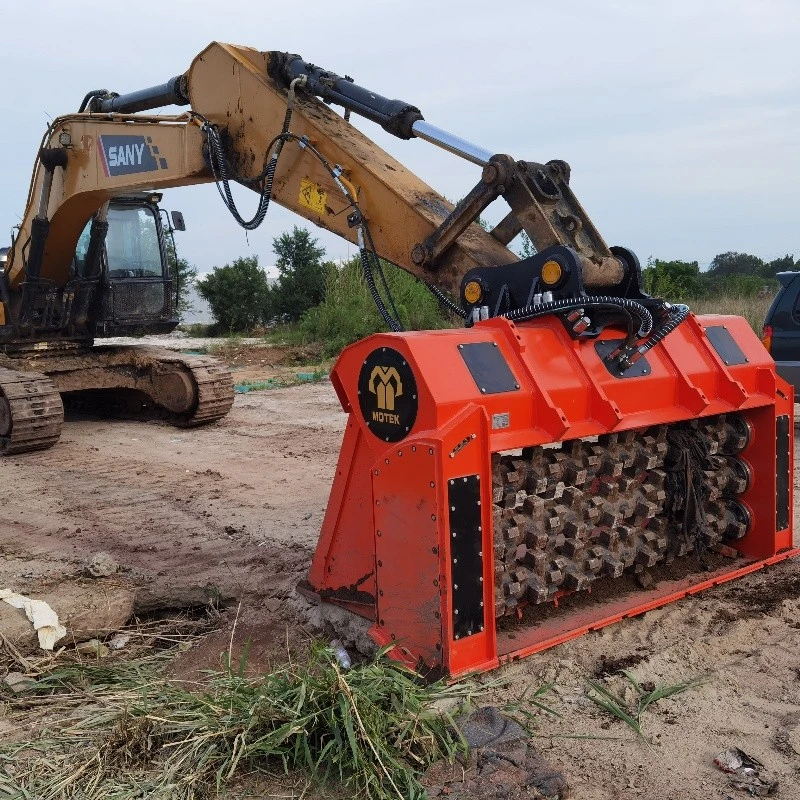
First off, let's talk about what a screening bucket does. It's a piece of equipment that attaches to an excavator or other heavy machinery. Its main job is to separate different-sized materials, like soil, gravel, or rocks. You can use it for all sorts of projects, from construction sites to landscaping jobs. And we offer a variety of screening buckets, like the Digger Screening Bucket, Soil Remediation Screener, and Rock Screening Bucket for Excavator.
Now, onto the rotation speed. The rotation speed of a screening bucket refers to how fast the drum or the screening mechanism spins. This speed can have a big impact on the efficiency and effectiveness of the screening process.
Impact on Screening Efficiency
One of the most obvious effects of rotation speed is on screening efficiency. When the rotation speed is too slow, the materials inside the bucket don't get enough agitation. This means that the smaller particles might not have enough chance to pass through the screening holes. As a result, the screening process takes longer, and you end up with a lower throughput. For example, if you're trying to screen a large pile of soil, a slow rotation speed will make it take ages to separate the fine soil from the larger rocks and debris.
On the other hand, if the rotation speed is too fast, it can also cause problems. The materials might be thrown around too violently, and some of the larger particles could get forced through the screening holes, leading to inaccurate screening. Also, a very high rotation speed can put a lot of stress on the bucket and the machinery it's attached to, which can lead to increased wear and tear and potentially more maintenance issues.
So, there's a sweet spot for rotation speed. A moderate rotation speed allows the materials to be agitated enough so that the smaller particles can easily pass through the screening holes, while the larger ones stay inside the bucket. This maximizes the throughput and ensures that the screening is accurate.
Impact on Material Separation
The rotation speed also affects how well the screening bucket separates different materials. Different materials have different physical properties, such as size, shape, and density. A proper rotation speed can help the bucket take advantage of these differences to separate the materials more effectively.
For instance, when screening a mixture of soil and rocks, a well - adjusted rotation speed can make the soil particles fall through the screening holes while the rocks remain in the bucket. If the speed is too slow, the soil might clump together with the rocks, and it won't separate properly. If the speed is too fast, the rocks might break or get damaged, and the screening results won't be as clean.
In the case of a Soil Remediation Screener, which is often used to separate contaminated soil from clean soil, the rotation speed is crucial. A correct speed ensures that the contaminated particles are separated from the clean ones, which is essential for successful soil remediation projects.
Impact on Wear and Tear
Another aspect to consider is the impact of rotation speed on the wear and tear of the screening bucket. As I mentioned earlier, a very high rotation speed can put a lot of stress on the bucket. The constant high - speed agitation can cause the screening mechanism, such as the drum or the screening plates, to wear out faster. This means you'll have to replace parts more frequently, which can be costly.
On the contrary, a very slow rotation speed might not cause as much immediate wear and tear, but it can lead to a build - up of materials inside the bucket. This build - up can cause blockages and put additional stress on the bucket over time. So, finding the right rotation speed can help extend the lifespan of your screening bucket and save you money in the long run.
Factors Affecting the Optimal Rotation Speed
Determining the optimal rotation speed isn't a one - size - fits - all thing. There are several factors that can influence what the best speed is for your specific application.
Material Type
The type of material you're screening is a major factor. Different materials have different flow characteristics. For example, sand is very granular and flows easily, while clay is more sticky and cohesive. Sand might require a different rotation speed than clay to be screened effectively. If you're using a Rock Screening Bucket for Excavator, the size and hardness of the rocks will also play a role in determining the ideal rotation speed.
Screening Hole Size
The size of the screening holes also matters. Smaller screening holes require a more gentle agitation to ensure that only the appropriately sized particles pass through. A larger rotation speed might cause larger particles to force their way through the small holes. So, if you're using a screening bucket with small holes, you'll need to adjust the rotation speed accordingly.
Bucket Design
The design of the screening bucket itself can affect the optimal rotation speed. Some buckets are designed to work better at certain speeds. For example, a bucket with a more open design might be able to handle a higher rotation speed without causing too much damage to the materials or the bucket itself.

How to Adjust the Rotation Speed
Most modern screening buckets come with adjustable rotation speeds. You can usually adjust the speed through the control system of the machinery it's attached to. Some buckets even have a variable speed control feature, which allows you to fine - tune the rotation speed based on the specific requirements of your project.
Before you start screening, it's a good idea to do some test runs. Start with a moderate rotation speed and see how the materials are being screened. If the screening isn't efficient or accurate, you can then make small adjustments to the speed and keep testing until you find the optimal setting.
Conclusion
In conclusion, the rotation speed of a screening bucket is a critical factor that can significantly affect the screening process. It impacts screening efficiency, material separation, and the wear and tear of the bucket. By understanding how rotation speed works and how to adjust it properly, you can ensure that your screening projects are more successful, efficient, and cost - effective.
If you're in the market for a screening bucket or have any questions about how to optimize the rotation speed for your specific needs, don't hesitate to reach out. We're here to help you make the most of your screening equipment and get the best results for your projects. Whether you need a Digger Screening Bucket, Soil Remediation Screener, or Rock Screening Bucket for Excavator, we've got you covered. Let's have a chat and see how we can work together to meet your screening requirements.
References
- Engineering textbooks on heavy machinery and screening equipment
- Industry reports on the performance of screening buckets
- Manufacturer's manuals for screening buckets





