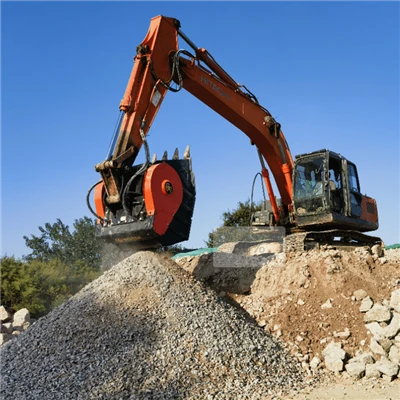
The hardness of the material being processed is a critical factor that significantly influences the operation of an Excavator Jaw Crusher. As a supplier of these crushers, I've witnessed firsthand how different material hardness levels can impact various aspects of the crusher's performance, efficiency, and longevity. In this blog, I'll delve into the ways material hardness affects the operation of an Excavator Jaw Crusher and provide insights based on my experience in the industry.
Impact on Crushing Efficiency
One of the most immediate effects of material hardness on an Excavator Jaw Crusher is its impact on crushing efficiency. Harder materials require more energy to break down compared to softer ones. When the material is extremely hard, the crusher has to work harder to apply sufficient force to fracture the particles. This often results in a slower crushing process as the jaws need more time to exert the necessary pressure.


For instance, if you're using an Excavator Jaw Crusher Bucket to crush granite, which is a very hard rock, the crusher may take longer to reduce the granite into the desired size compared to limestone, a relatively softer rock. This reduced efficiency can lead to longer processing times and lower throughput, which may not be ideal for projects with tight deadlines or high production requirements.
Wear and Tear on Crusher Components
Material hardness also has a profound effect on the wear and tear of the crusher's components. Harder materials are more abrasive, which means they cause more friction and damage to the crusher's jaws, liners, and other moving parts. The constant contact between the hard material and the crusher components can lead to rapid wear, reducing the lifespan of these parts.
The jaws of an Excavator Jaw Crusher are particularly susceptible to wear when processing hard materials. The high pressure and abrasion can cause the jaws to become worn down, leading to a decrease in crushing performance. Regular inspection and replacement of the jaws and liners are essential to maintain the crusher's efficiency and prevent costly breakdowns. As a supplier, I often recommend using high-quality, wear-resistant materials for the crusher components when dealing with hard materials to minimize wear and extend the equipment's lifespan.
Power Consumption
Another significant impact of material hardness on the operation of an Excavator Jaw Crusher is power consumption. As mentioned earlier, harder materials require more energy to break down. This means that the crusher has to draw more power to operate effectively when processing hard materials. Higher power consumption not only increases the operating costs but also puts more strain on the crusher's engine and electrical system.
For example, if you're using a Large Jaw Crusher to crush hard basalt, the power consumption will be significantly higher compared to crushing softer sandstone. To optimize power consumption, it's important to choose the right crusher for the specific material hardness and adjust the crusher settings accordingly. This may involve adjusting the jaw opening, the speed of the crusher, or the feed rate to ensure that the crusher is operating at its most efficient level.
Selection of the Right Crusher
Given the impact of material hardness on the operation of an Excavator Jaw Crusher, it's crucial to select the right crusher for the specific material you'll be processing. Different crushers are designed to handle different material hardness levels, and choosing the wrong crusher can lead to poor performance, increased wear and tear, and higher operating costs.
For softer materials, a Crusher Bucket Mini Excavator may be sufficient. These smaller crushers are more lightweight and energy-efficient, making them ideal for projects where the material is not too hard. However, for harder materials, a larger, more powerful crusher with heavy-duty components is necessary to ensure efficient and reliable operation.
When selecting a crusher, it's also important to consider the desired output size and production capacity. The crusher should be able to produce the required size of crushed material at the desired rate. Additionally, factors such as the availability of spare parts, ease of maintenance, and the reputation of the manufacturer should also be taken into account.
Maintenance and Upkeep
Proper maintenance and upkeep are essential to ensure the optimal operation of an Excavator Jaw Crusher, especially when dealing with hard materials. Regular inspection of the crusher components, including the jaws, liners, bearings, and belts, is necessary to detect any signs of wear or damage early on. This allows for timely replacement of the worn parts, preventing further damage and ensuring the crusher's continued performance.
Lubrication of the moving parts is also crucial to reduce friction and wear. Hard materials can generate a lot of heat and friction, which can cause the lubricant to break down more quickly. Therefore, it's important to use high-quality lubricants and follow the manufacturer's recommendations for lubrication intervals.
In addition to regular maintenance, it's also important to clean the crusher after each use to remove any residual material. This helps to prevent the buildup of material, which can cause blockages and reduce the crusher's efficiency.
Conclusion
In conclusion, the hardness of the material being processed has a significant impact on the operation of an Excavator Jaw Crusher. It affects crushing efficiency, wear and tear on components, power consumption, and the selection of the right crusher. As a supplier, I understand the importance of choosing the appropriate crusher for the specific material hardness and providing proper maintenance and support to ensure the long-term performance of the equipment.
If you're in the market for an Excavator Jaw Crusher or need advice on selecting the right crusher for your project, I encourage you to reach out to me. I'm happy to discuss your specific requirements and help you find the best solution for your needs. Whether you're dealing with hard granite or softer limestone, I have the expertise and experience to provide you with a high-quality crusher that will meet your expectations.
References
- "Crushing Equipment Handbook" - A comprehensive guide to crushing equipment, including information on the impact of material hardness on crusher operation.
- Industry reports and studies on the performance of Excavator Jaw Crushers in different applications.
- Manufacturer's specifications and technical documentation for Excavator Jaw Crushers.