Hey there! I'm a supplier of Mass Soil Mixing, and I've been in this industry for quite some time. Today, I wanna share with you how Mass Soil Mixing influences soil shear strength.
First off, let's talk about what soil shear strength is. Simply put, soil shear strength is the soil's ability to resist shear stress. Shear stress occurs when two parts of the soil slide past each other. It's super important in construction projects because it affects the stability of foundations, slopes, and retaining walls. If the soil shear strength is too low, it can lead to all sorts of problems like landslides, foundation failures, and structural damage.
So, how does Mass Soil Mixing come into play? Well, Mass Soil Mixing is a technique where we blend the in - situ soil with various binders or additives. These binders can be cement, lime, fly ash, or other chemical agents. When we mix these materials with the soil, it fundamentally changes the soil's properties, and one of the most significant changes is an increase in shear strength.
One of the main ways Mass Soil Mixing enhances soil shear strength is through the formation of cementitious compounds. When we add cement or lime to the soil, chemical reactions take place. For example, in the case of cement, the calcium silicate hydrates (C - S - H) and calcium aluminate hydrates (C - A - H) are formed. These compounds act like glue, binding the soil particles together. As a result, the soil becomes more cohesive, and its ability to resist shear stress is greatly improved.
Let's take a look at a real - world scenario. Imagine a construction site where the soil is soft and has low shear strength. If we try to build a large building on this kind of soil without any improvement, the foundation may sink or shift over time due to the lack of sufficient shear strength to support the structure. But if we use Mass Soil Mixing, we can transform this soft soil into a more stable material. By mixing the soil with cement, we create a soil - cement mixture that has much higher shear strength. This allows the foundation to distribute the load more evenly and remain stable over the long term.
Another factor that contributes to the increase in soil shear strength through Mass Soil Mixing is the improvement of soil structure. When we mix the soil, we break up large soil aggregates and redistribute the particles. This creates a more uniform soil matrix. In addition, the addition of binders can fill the voids between soil particles. A well - structured soil with fewer voids has better inter - particle contact, which means it can transfer shear stress more effectively.
The type of binder used in Mass Soil Mixing also plays a crucial role in determining the extent of the increase in soil shear strength. For instance, cement is a very effective binder for most soil types. It can significantly increase the shear strength of both cohesive and non - cohesive soils. Lime, on the other hand, is often used for treating clayey soils. It can reduce the plasticity of clay and improve its shear strength. Fly ash, a by - product of coal - fired power plants, can also be used as a binder. It not only improves the shear strength but also has environmental benefits as it recycles a waste material.
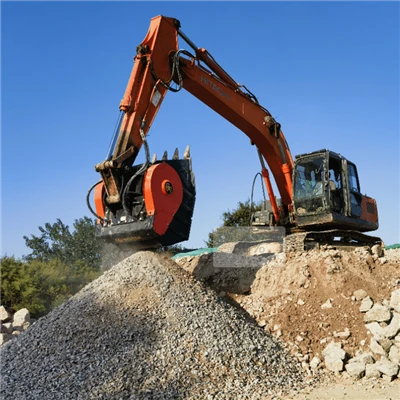
Now, let's talk about the equipment we use for Mass Soil Mixing. There are some great machines available in the market. One of them is the Soil Mixing Machine. This machine is designed to mix the soil and the binder thoroughly. It has powerful mixing blades that can break up the soil and ensure a homogeneous mixture. Another important piece of equipment is the Slurry Infrastructure Maker. It is used to create the slurry of the binder, which can then be injected into the soil during the mixing process. And if you're looking for a comprehensive solution, the Soil Improvement System is a great option. It combines all the necessary components for Mass Soil Mixing and can be customized according to the specific requirements of your project.
The amount of binder added to the soil also affects the soil shear strength. Generally, the more binder we add, the higher the shear strength will be. However, there's a limit. Adding too much binder can be costly and may also cause other problems such as excessive shrinkage or cracking. So, it's important to find the right balance. This usually involves conducting soil tests before the Mass Soil Mixing process to determine the optimal binder content.
In addition to the chemical and physical changes in the soil, the compaction of the soil - binder mixture during Mass Soil Mixing also plays a role in increasing shear strength. Compaction reduces the void ratio of the soil and increases the density. A denser soil has more contact between particles, which leads to better shear resistance.
To sum it up, Mass Soil Mixing is an effective way to increase soil shear strength. It works by forming cementitious compounds, improving soil structure, and through proper compaction. The choice of binder, the amount of binder, and the equipment used all contribute to the final result.
If you're working on a construction project and are facing issues with low soil shear strength, Mass Soil Mixing could be the solution you need. Whether it's a small residential building or a large commercial complex, our Mass Soil Mixing services can help you achieve a stable and safe foundation.


If you're interested in learning more about Mass Soil Mixing or want to discuss how it can be applied to your project, feel free to reach out. We're here to provide you with the best solutions and help you make your construction project a success.
References
- Bowles, J. E. (1996). Foundation analysis and design. McGraw - Hill.
- Lambe, T. W., & Whitman, R. V. (1979). Soil mechanics. Wiley.
- Mitchell, J. K. (1993). Fundamentals of soil behavior. Wiley.