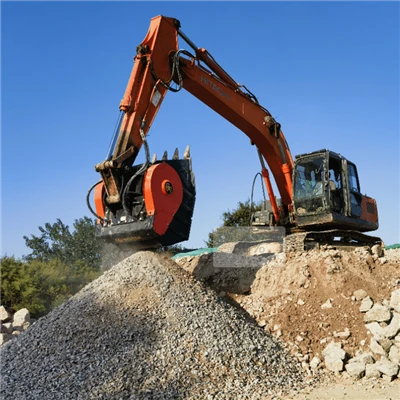
When it comes to material handling in construction, mining, and various industrial sectors, the choice between a jaw bucket and a grabber can significantly impact efficiency, productivity, and the overall success of a project. As a supplier of jaw buckets, I've witnessed firsthand the unique capabilities and advantages that these tools bring to the table. In this blog post, I'll delve into a detailed comparison of jaw buckets and grabbers, exploring their features, applications, and performance to help you make an informed decision for your material handling needs.
Understanding Jaw Buckets and Grabbers
Before we dive into the comparison, let's first understand what jaw buckets and grabbers are and how they function.
A jaw bucket, also known as a crusher bucket, is a specialized attachment that can be fitted to excavators, loaders, or other heavy machinery. It consists of a pair of jaws that open and close to crush and process materials such as rocks, concrete, asphalt, and other aggregates. Jaw buckets are available in various sizes and configurations, including Small Jaw Crushers and Large Jaw Crusher, to suit different applications and machine capacities.
On the other hand, a grabber is a type of material handling attachment that uses a set of jaws or fingers to grasp and lift materials. Grabbers come in different designs, such as hydraulic grabs, mechanical grabs, and orange peel grabs, and are commonly used for handling loose materials like soil, sand, gravel, and debris. They are often used in applications where precise handling and positioning of materials are required.
Design and Construction
One of the key differences between jaw buckets and grabbers lies in their design and construction. Jaw buckets are built with heavy-duty materials and robust structures to withstand the high forces and pressures generated during the crushing process. The jaws of a jaw bucket are typically made of high-strength steel and are designed to provide a large crushing force to break down even the toughest materials.


In contrast, grabbers are designed to be more flexible and adaptable to different types of materials and handling tasks. They are often made of lighter materials and have a more open design to allow for easy grasping and release of materials. The jaws or fingers of a grabber can be adjusted or replaced to suit different applications, making them a versatile option for material handling.
Crushing and Processing Capabilities
The primary function of a jaw bucket is to crush and process materials on-site, eliminating the need for transporting materials to a separate crushing facility. Jaw buckets can reduce large rocks and concrete blocks into smaller, more manageable sizes, which can then be reused as aggregate for construction projects or sold as recycled materials. This not only saves time and money but also reduces the environmental impact of construction activities.
Grabbers, on the other hand, are not designed for crushing or processing materials. Their main function is to grasp and lift materials, making them suitable for tasks such as loading and unloading trucks, moving debris, and sorting materials. While grabbers can handle a wide range of materials, they do not have the same crushing capabilities as jaw buckets.
Efficiency and Productivity
In terms of efficiency and productivity, jaw buckets have a clear advantage over grabbers when it comes to crushing and processing materials. Jaw buckets can work continuously and quickly reduce large volumes of materials into smaller sizes, allowing for faster and more efficient construction processes. They can also be used in a variety of applications, including demolition, recycling, and quarrying, making them a versatile tool for material handling.
Grabbers, while efficient at grasping and lifting materials, may not be as productive when it comes to processing large volumes of materials. They are more suitable for tasks that require precise handling and positioning of materials, such as sorting and loading. However, in applications where the primary goal is to move materials quickly and efficiently, a jaw bucket may be a better choice.
Versatility and Adaptability
Both jaw buckets and grabbers offer a certain degree of versatility and adaptability, but in different ways. Jaw buckets can be used with a variety of heavy machinery, including excavators, loaders, and backhoes, making them a flexible option for material handling. They can also be adjusted to crush materials to different sizes, depending on the specific requirements of the project.
Grabbers, on the other hand, are available in a wide range of designs and configurations to suit different applications and materials. They can be used for handling loose materials, such as soil and sand, as well as more solid materials, such as logs and scrap metal. Grabbers can also be equipped with additional features, such as rotating mechanisms and hydraulic cylinders, to enhance their functionality and versatility.
Safety Considerations
Safety is always a top priority in any material handling operation. When using a jaw bucket or a grabber, it's important to follow all safety guidelines and procedures to prevent accidents and injuries.
Jaw buckets can be dangerous if not used properly, as they involve high forces and moving parts. Operators should be trained on how to operate the jaw bucket safely and should wear appropriate personal protective equipment, such as hard hats, safety glasses, and gloves. It's also important to inspect the jaw bucket regularly for any signs of wear or damage and to perform maintenance and repairs as needed.
Grabbers also require careful handling to ensure safety. Operators should be aware of the weight and balance of the materials being handled and should use the grabber in a stable and secure manner. It's also important to keep bystanders away from the work area and to follow all safety regulations and guidelines.
Cost and Investment
The cost of a jaw bucket or a grabber can vary depending on several factors, including the size, brand, and features of the attachment. In general, jaw buckets tend to be more expensive than grabbers, as they are designed for more heavy-duty applications and require more advanced technology and materials.
However, the cost of a jaw bucket should be considered in the context of the long-term benefits and savings it can provide. By crushing and processing materials on-site, a jaw bucket can reduce the need for transporting materials to a separate crushing facility, which can save time and money in the long run. Additionally, the ability to reuse crushed materials as aggregate can also provide significant cost savings for construction projects.
Grabbers, while generally less expensive than jaw buckets, may still require a significant investment, especially for larger and more advanced models. However, the cost of a grabber should also be considered in the context of the specific application and the benefits it can provide. In some cases, a grabber may be a more cost-effective option for material handling tasks that do not require crushing or processing.
Conclusion
In conclusion, the choice between a jaw bucket and a grabber depends on several factors, including the specific application, the type of materials being handled, the required capacity and productivity, and the budget. Jaw buckets are a powerful and versatile tool for crushing and processing materials on-site, while grabbers are more suitable for tasks that require precise handling and positioning of materials.
As a supplier of jaw buckets, I believe that these attachments offer many advantages over grabbers when it comes to material handling in construction, mining, and other industrial sectors. Our Concrete Crusher Bucket is a prime example of the high-quality and innovative products we offer, designed to provide efficient and reliable performance in a variety of applications.
If you're considering investing in a jaw bucket or a grabber for your material handling needs, I encourage you to contact us to discuss your requirements and learn more about our products. Our team of experts can provide you with detailed information and guidance to help you make the right choice for your project. We look forward to working with you and helping you achieve your material handling goals.
References
- Construction Equipment Guide. (n.d.). Crusher Buckets: Crushing on the Go. Retrieved from https://www.constructionequipmentguide.com/crusher-buckets-crushing-on-the-go/31747
- Equipment World. (n.d.). Grabbers: A Versatile Tool for Material Handling. Retrieved from https://www.equipmentworld.com/grabbers-a-versatile-tool-for-material-handling/32056
- Machinery Lubrication. (n.d.). Material Handling Equipment: Types and Applications. Retrieved from https://www.machinerylubrication.com/Read/1045/material-handling-equipment-types-applications