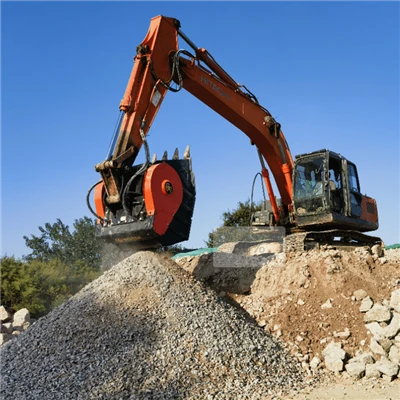
In the realm of construction and environmental remediation, soil mixing equipment plays a pivotal role. As a leading supplier of soil mixing equipment, we are constantly exploring the possibilities of powering this essential machinery with different energy sources. This exploration not only aligns with the global push towards sustainability but also offers practical benefits in terms of cost - efficiency and operational flexibility.
Traditional Energy Sources for Soil Mixing Equipment
Historically, soil mixing equipment has predominantly been powered by diesel engines. Diesel engines are known for their high torque, which is crucial for the heavy - duty tasks that soil mixing equipment undertakes. They can handle the large loads associated with churning and blending soil with various additives. Diesel engines also have a long - standing reputation for reliability and durability in harsh working environments.
However, diesel engines come with their fair share of drawbacks. One of the most significant issues is their environmental impact. Diesel combustion releases a substantial amount of greenhouse gases, including carbon dioxide, nitrogen oxides, and particulate matter. These emissions contribute to air pollution, climate change, and have negative health effects on workers and nearby communities. Additionally, the cost of diesel fuel can be volatile, subject to fluctuations in global oil prices. This unpredictability can make it challenging for construction companies to budget accurately for their soil mixing operations.


Electric - Powered Soil Mixing Equipment
Electric power is emerging as a promising alternative for soil mixing equipment. Electric motors offer several advantages over diesel engines. Firstly, they are much cleaner in terms of emissions. When the electricity is sourced from renewable energy such as solar, wind, or hydro, the carbon footprint of the soil mixing process can be significantly reduced. This is particularly important in projects where environmental regulations are strict, such as Soil Decontamination initiatives.
Electric motors are also more energy - efficient than diesel engines. They convert a higher percentage of the input energy into useful work, resulting in lower energy consumption. This can lead to cost savings in the long run, especially in areas where electricity prices are relatively stable. Moreover, electric motors are generally quieter than diesel engines, which is beneficial in urban construction sites where noise pollution can be a major concern.
However, there are some limitations to electric - powered soil mixing equipment. One of the main challenges is the availability of a reliable power source. In remote construction sites, it may be difficult to access a grid connection. Portable generators can be used, but they often rely on fossil fuels, which defeats the purpose of using electric power for environmental reasons. Additionally, the initial cost of electric soil mixing equipment can be higher than that of diesel - powered counterparts, although this may be offset by lower operating costs over time.
Hybrid - Powered Soil Mixing Equipment
Hybrid power systems, which combine a diesel engine with an electric motor, offer a middle - ground solution. Hybrid soil mixing equipment can operate on diesel power when high torque is required, such as during the initial stages of soil mixing or when dealing with particularly tough soil conditions. At the same time, the electric motor can be used for lighter tasks or when the equipment is idling, reducing fuel consumption and emissions.
Hybrid systems also provide some level of energy storage. The electric motor can act as a generator during braking or when the diesel engine is producing excess power, storing the energy in a battery. This stored energy can then be used later, further improving the overall energy efficiency of the equipment. Hybrid soil mixing equipment is well - suited for projects that require a balance between power and environmental performance, such as Soil Improvement for Construction in both urban and rural settings.
Biogas and Biofuel - Powered Soil Mixing Equipment
Biogas and biofuels are renewable energy sources that can be used to power soil mixing equipment. Biogas, which is produced from the anaerobic digestion of organic matter such as agricultural waste or sewage sludge, can be used in modified diesel engines. Biofuels, such as biodiesel made from vegetable oils or animal fats, can also be used as a substitute for traditional diesel fuel.
The use of biogas and biofuels has several environmental benefits. They are considered carbon - neutral because the carbon dioxide released during combustion is offset by the carbon dioxide absorbed by the plants during their growth. This helps to reduce the overall carbon footprint of soil mixing operations. Additionally, using biogas and biofuels can contribute to the circular economy by utilizing waste materials as an energy source.
However, there are challenges associated with biogas and biofuel - powered soil mixing equipment. The production and distribution of biogas and biofuels are still relatively limited in many regions. There may also be compatibility issues with existing equipment, requiring modifications to the engines. Moreover, the quality of biogas and biofuels can vary, which may affect the performance and reliability of the equipment.
The Role of Our Company as a Soil Mixing Equipment Supplier
As a leading Slurry Infrastructure Maker, we understand the importance of offering soil mixing equipment that can be powered by different energy sources. We are committed to providing our customers with a range of options to meet their specific needs and preferences.
We invest heavily in research and development to improve the performance and efficiency of our equipment. Our engineers are constantly working on developing new technologies that can enhance the compatibility of our soil mixing equipment with different energy sources. For example, we are exploring ways to make our electric - powered equipment more suitable for remote sites by improving battery technology and developing more efficient charging systems.
We also provide comprehensive support to our customers. Our team of experts can help customers choose the most appropriate energy source for their soil mixing projects based on factors such as the location of the site, environmental regulations, and budget constraints. We offer training and maintenance services to ensure that the equipment operates smoothly and efficiently, regardless of the energy source used.
Contact Us for Your Soil Mixing Equipment Needs
If you are in the market for soil mixing equipment and are interested in exploring different energy sources, we invite you to contact us. Our experienced sales team is ready to discuss your requirements in detail and provide you with customized solutions. Whether you need a diesel - powered, electric - powered, hybrid, or biofuel - powered soil mixing equipment, we have the expertise and the products to meet your needs. Let's work together to make your soil mixing operations more sustainable, efficient, and cost - effective.
References
- Smith, J. (2020). "Advances in Construction Equipment Energy Sources." Construction Technology Journal, 15(2), 45 - 56.
- Johnson, A. (2021). "The Future of Powering Heavy Machinery: A Review of Alternative Energy Sources." Industrial Engineering Review, 22(3), 78 - 90.
- Brown, C. (2019). "Environmental Impact of Different Energy Sources in Soil Mixing Operations." Environmental Science and Technology, 33(4), 123 - 135.