In the recycling and construction industries, the efficient processing of metal scraps is a crucial task. It involves separating the valuable materials from the unwanted debris to maximize resource recovery and minimize waste. One of the tools that have been extensively used for material screening is the bucket screener. As a bucket screener supplier, I am often asked whether a bucket screener can be used for screening metal scraps. In this blog post, I will explore this question in detail, examining the capabilities, limitations, and best practices of using a bucket screener for metal scrap screening.

Understanding the Basics of a Bucket Screener
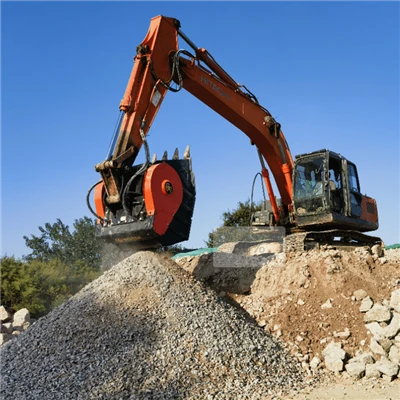
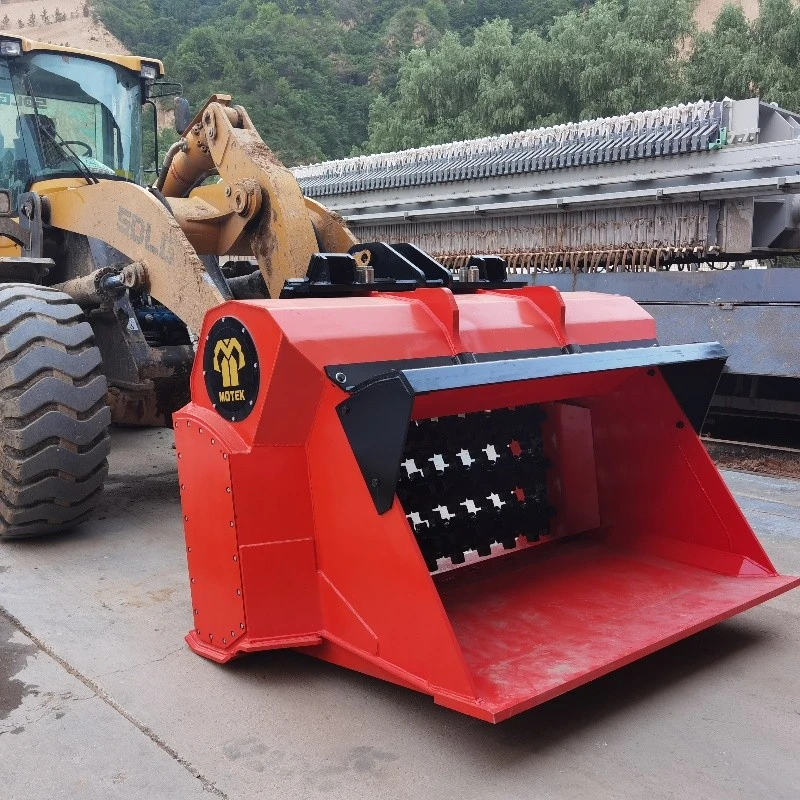
Before delving into the suitability of a bucket screener for metal scrap screening, it is essential to understand what a bucket screener is and how it works. A bucket screener is an attachment that can be mounted on heavy machinery such as excavators, backhoes, and loaders. It is designed to sort and separate different sizes of materials by using a rotating drum or a set of screening bars. The materials are fed into the bucket screener, and as the drum or bars rotate, the smaller particles pass through the gaps, while the larger ones remain inside the bucket.
There are different types of bucket screeners available in the market, each with its unique features and applications. For instance, the Backhoe Screening Bucket is specifically designed for use with backhoes, offering a compact and efficient solution for small to medium - scale screening tasks. On the other hand, the Rock Screening Bucket for Excavator is built to handle more challenging materials, such as rocks and concrete, and is suitable for heavy - duty construction and recycling operations.
The Feasibility of Using a Bucket Screener for Metal Scrap Screening
Now, let's consider whether a bucket screener can be effectively used for screening metal scraps. The short answer is yes, but it depends on several factors.
Advantages of Using a Bucket Screener for Metal Scrap Screening
- Efficiency: Bucket screeners are known for their high - speed screening capabilities. They can process a large volume of metal scraps in a relatively short period, which is essential for industries that deal with high - volume scrap processing. For example, in a large - scale recycling plant, a bucket screener can quickly separate the smaller metal bits from the larger pieces, speeding up the sorting process.
- Versatility: A Bucket Screener can be adjusted to different screening sizes. This means that it can be used to separate metal scraps of various sizes, from fine shavings to larger chunks. By changing the screening media or adjusting the gap settings, operators can customize the screening process according to their specific needs.
- Mobility: Since bucket screeners are attachments for heavy machinery, they offer great mobility. They can be easily transported from one job site to another, making them suitable for on - site metal scrap screening. This is particularly useful for construction sites where metal scraps are generated during the building or demolition process.
Limitations of Using a Bucket Screener for Metal Scrap Screening
- Shape and Size of Metal Scraps: The effectiveness of a bucket screener in screening metal scraps can be affected by the shape and size of the scraps. Irregularly shaped or entangled metal pieces may not pass through the screening media easily, leading to clogging and reduced screening efficiency. For example, long and thin metal wires or tubes may get caught in the screening bars, causing disruptions in the screening process.
- Magnetic and Non - Magnetic Metals: Metal scraps can consist of both magnetic and non - magnetic metals. A standard bucket screener is primarily designed for size - based screening and may not be able to separate magnetic and non - magnetic metals. To achieve this level of separation, additional equipment such as magnetic separators may be required.
- Wear and Tear: Metal scraps can be very abrasive, and the constant contact with the screening media of a bucket screener can cause significant wear and tear. This may lead to a shorter lifespan of the screening components and increase the maintenance costs.
Best Practices for Using a Bucket Screener for Metal Scrap Screening
To overcome the limitations and maximize the benefits of using a bucket screener for metal scrap screening, the following best practices should be followed:
- Pre - Sorting: Before feeding the metal scraps into the bucket screener, it is advisable to perform some pre - sorting. This can involve removing large and irregularly shaped pieces that may cause clogging. For example, using a simple manual sorting process to separate long wires and large chunks from the rest of the scrap can improve the screening efficiency.
- Regular Maintenance: Due to the abrasive nature of metal scraps, regular maintenance of the bucket screener is crucial. This includes inspecting the screening media for wear, lubricating the moving parts, and replacing any damaged components in a timely manner. By following a strict maintenance schedule, the lifespan of the bucket screener can be extended, and its performance can be optimized.
- Combining with Other Equipment: As mentioned earlier, a bucket screener may not be able to separate magnetic and non - magnetic metals. To achieve a more comprehensive separation of metal scraps, it is recommended to combine the bucket screener with other equipment such as magnetic separators and eddy current separators. This can enhance the overall quality of the screened metal scraps and increase their market value.
Conclusion
In conclusion, a bucket screener can be used for screening metal scraps, but it has its advantages and limitations. It offers efficiency, versatility, and mobility, making it a viable option for many metal scrap processing applications. However, the shape and size of the metal scraps, the need for metal type separation, and the potential for wear and tear must be taken into account. By following the best practices of pre - sorting, regular maintenance, and combining with other equipment, the effectiveness of using a bucket screener for metal scrap screening can be significantly improved.
If you are in the metal recycling or construction industry and are considering using a bucket screener for your metal scrap screening needs, I encourage you to reach out to us. Our team of experts can provide you with detailed information about our Bucket Screener products, help you choose the right model for your specific requirements, and offer support throughout the purchasing process. We are committed to providing high - quality bucket screeners that can meet the challenges of metal scrap screening and improve your operational efficiency.
References
- [Name of the research report on material screening equipment]. (Year). Published by [Publisher name].
- [Industry magazine article about metal scrap recycling]. (Year). [Magazine name], [Volume number], [Page numbers].
- [Book on construction and recycling machinery]. (Year). Author(s). [Publisher name].