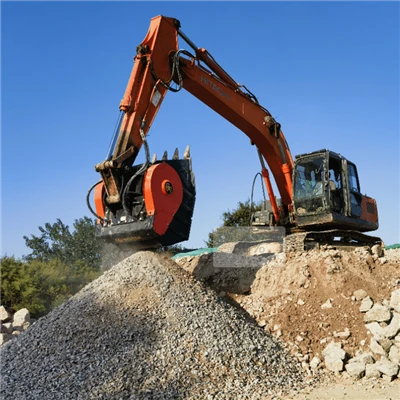
The weight of a crusher bucket is a crucial factor that impacts its performance, compatibility, and overall efficiency. As a leading supplier of Best Crusher Buckets, we understand the significance of this metric and how it can influence your operations. In this blog, we will delve into the various aspects related to the weight of the best crusher bucket, exploring why it matters and what you should consider when choosing the right one for your needs.
Why Does the Weight of a Crusher Bucket Matter?
The weight of a crusher bucket plays a pivotal role in several key areas:
Compatibility with Equipment
One of the primary reasons why the weight of a crusher bucket is important is its compatibility with the equipment it will be attached to. Most commonly, crusher buckets are used with excavators. The excavator's lifting capacity must be sufficient to handle the combined weight of the crusher bucket and the material it will crush. If the bucket is too heavy for the excavator, it can lead to overloading, which may cause damage to the excavator, reduce its lifespan, and pose safety risks to operators.
For example, if you have a small - sized excavator with a limited lifting capacity, you need to choose a lightweight crusher bucket. On the other hand, larger excavators can handle heavier buckets, which often have higher crushing capacities.
Mobility and Maneuverability
The weight of the crusher bucket also affects the mobility and maneuverability of the equipment. A heavier bucket can make the excavator more difficult to move around the worksite, especially in tight spaces or on uneven terrain. This can lead to reduced productivity as operators may need to spend more time positioning the equipment and less time actually crushing materials.
In contrast, a lighter crusher bucket allows for greater flexibility and easier maneuvering, enabling operators to quickly move between different crushing locations on the site. This can significantly improve the overall efficiency of the crushing operation.
Crushing Performance
The weight of the crusher bucket can have an impact on its crushing performance. A heavier bucket may provide more stability during the crushing process, which can result in better fragmentation of the materials. The additional weight can help to keep the bucket firmly in place, preventing it from shifting or bouncing during operation.


However, it's important to find the right balance. If the bucket is too heavy, it may require more power from the excavator to operate, which can lead to increased fuel consumption and potentially lower the overall efficiency of the crushing process.
Factors Affecting the Weight of a Crusher Bucket
Several factors contribute to the overall weight of a crusher bucket:
Size and Capacity
The size and capacity of the crusher bucket are directly related to its weight. Larger buckets with higher crushing capacities generally weigh more than smaller ones. This is because they require more robust construction materials and larger components to handle the increased volume of materials.
For instance, a Jaw Rock Crusher with a large jaw opening and high throughput will typically be heavier than a smaller model. When choosing a crusher bucket, you need to consider your specific crushing requirements. If you need to process large amounts of material quickly, a larger, heavier bucket may be necessary. But if you have limited space or a smaller workload, a lighter, smaller bucket may be more suitable.
Construction Materials
The materials used in the construction of the crusher bucket also play a significant role in determining its weight. High - strength steel is commonly used due to its durability and ability to withstand the high forces generated during the crushing process. However, steel is relatively heavy, and buckets made from thicker steel plates will weigh more.
Some manufacturers may use alternative materials or design features to reduce the weight without sacrificing strength. For example, they may use lightweight alloys or incorporate hollow sections in the bucket's structure.
Additional Features
Crusher buckets may come with additional features such as hydraulic systems, adjustable jaws, or dust suppression equipment. These features can add to the overall weight of the bucket.
For example, a crusher bucket with a sophisticated hydraulic system for adjusting the jaw opening will be heavier than a basic model without this feature. While these additional features can enhance the functionality and performance of the bucket, you need to consider whether the added weight is worth the benefits they provide.
Understanding the Weight Specifications
When evaluating crusher buckets, it's essential to understand the weight specifications provided by the manufacturer. The weight of a crusher bucket is typically specified in kilograms (kg) or pounds (lb).
The manufacturer will usually provide the net weight of the bucket, which is the weight of the bucket itself without any additional attachments or materials. However, it's also important to consider the operating weight, which includes the weight of the bucket, any attached accessories, and the material being crushed.
For example, if you are using an Excavator Jaw Crusher Bucket, the operating weight will be higher than the net weight due to the material that is being processed inside the bucket. Make sure to take these factors into account when assessing the compatibility of the bucket with your equipment.
Choosing the Right Weight for Your Needs
To choose the right weight of the crusher bucket for your specific needs, follow these steps:
Assess Your Equipment's Lifting Capacity
The first step is to determine the lifting capacity of your excavator or other equipment. This information can usually be found in the equipment's operator manual. Make sure to choose a crusher bucket whose weight, including the estimated weight of the material it will hold, is within the lifting capacity of your equipment.
Consider Your Worksite Conditions
Think about the worksite conditions where you will be using the crusher bucket. If the site has limited space or uneven terrain, a lighter bucket may be more suitable for better mobility and maneuverability. On the other hand, if you have a large, open worksite and need to process a high volume of materials, a heavier bucket with a higher crushing capacity may be a better choice.
Evaluate Your Crushing Requirements
Consider the type and volume of materials you need to crush. If you are working with hard, dense materials, a heavier bucket may provide better stability and crushing performance. However, if you are dealing with softer materials or have a smaller workload, a lighter bucket may be sufficient.
Conclusion
The weight of the best crusher bucket is a critical factor that can significantly impact the performance, compatibility, and efficiency of your crushing operations. As a supplier of Best Crusher Buckets, we are committed to helping you choose the right bucket for your specific needs. By considering factors such as equipment compatibility, mobility, crushing performance, and your specific requirements, you can make an informed decision.
If you are interested in learning more about our crusher buckets or would like to discuss your specific needs, we encourage you to contact us for a detailed consultation. Our team of experts is ready to assist you in finding the perfect crusher bucket solution for your project.
References
- Construction Equipment Handbook, various editions
- Manufacturer's specifications and technical documents for crusher buckets