What is the wear rate of a soil mixing head?
As a supplier of Soil Mixing Heads, I often get asked about the wear rate of these crucial components. It's a question that's not only important for those in the construction and soil improvement industries but also for anyone looking to make the most of their equipment investment. So, let's dive into what the wear rate of a soil mixing head is, what factors affect it, and how you can manage it.
First off, the wear rate of a soil mixing head refers to how quickly the head of the mixing equipment deteriorates over time due to the harsh conditions it operates in. When you're using a soil mixing head, it's constantly in contact with soil, which can be abrasive, especially if it contains sand, gravel, or other hard particles. The wear rate is typically measured as the amount of material lost from the mixing head over a specific period or number of operating hours.
There are several factors that can influence the wear rate of a soil mixing head. The type of soil is one of the most significant. For instance, if you're working with a soil that's high in sand content, the abrasiveness of the sand will cause the mixing head to wear out faster compared to softer, clay - based soils. The density and moisture content of the soil also play a role. Dry and compacted soils put more stress on the mixing head, leading to increased wear.
Another factor is the design and quality of the soil mixing head itself. Higher - quality heads are often made from more durable materials. For example, some heads are built with hardened steel or special alloys that can withstand the abrasion better. The design of the mixing blades and the way they interact with the soil can also affect the wear rate. A well - designed head will distribute the stress evenly across the blades, reducing the risk of excessive wear in one area.
The operating conditions also have a huge impact. If the soil mixing head is used at high speeds or under heavy loads, it will wear out more quickly. Additionally, improper maintenance can significantly increase the wear rate. For example, if the mixing head is not lubricated regularly, the friction between the moving parts and the soil will be higher, leading to faster wear. And if the head is not cleaned properly after each use, the built - up soil can cause corrosion and further deterioration.
Now, why does the wear rate matter? Well, a high wear rate means that you'll have to replace the soil mixing head more frequently. This can be costly, not only in terms of the cost of the new head but also in terms of downtime. When the mixing head is being replaced, your project has to stop, which can cause delays and potentially increase overall project costs.
So, how can you manage the wear rate of your soil mixing head? Regular maintenance is key. Make sure to lubricate all the moving parts as per the manufacturer's recommendations. Clean the mixing head thoroughly after each use to remove any soil or debris. Also, check the blades for signs of wear regularly. If you notice any signs of excessive wear, such as chips or cracks, it might be time to replace the blades or the entire head.
It's also important to choose the right soil mixing head for the job. If you're working with abrasive soils, invest in a high - quality head made from durable materials. And make sure to operate the equipment within its recommended parameters. Don't push the mixing head beyond its limits, as this will only increase the wear rate.
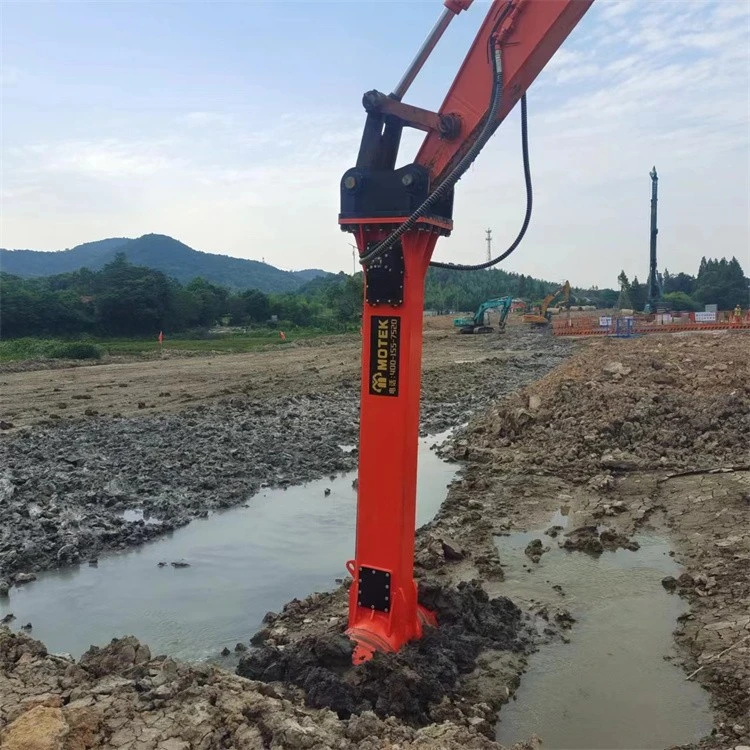
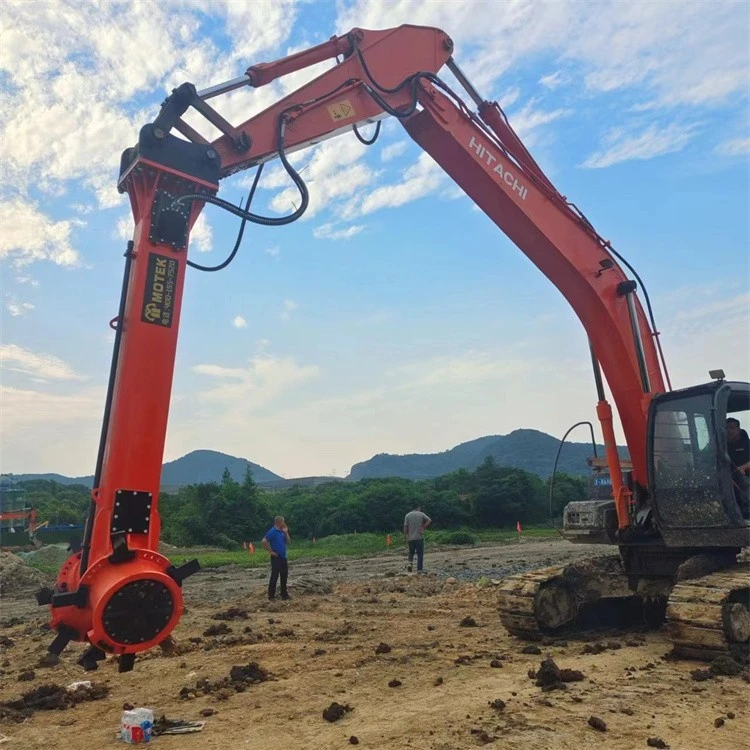
As a Soil Mixing Head supplier, we understand the importance of providing reliable and long - lasting products. That's why we continuously strive to improve the design and quality of our soil mixing heads. We offer a range of heads that are suitable for different soil types and operating conditions. Whether you're working on a small - scale soil improvement project or a large construction site, we've got you covered.
If you're in the market for a soil mixing head or are just looking for more information about wear rates and how to manage them, we're here to help. You might also be interested in some of our related products, such as the Excavator Silt Solidification System, which can be a great addition to your soil improvement toolkit. The Soil Improvement Machine and Soil Mixing Machine are also worth checking out as they can work in tandem with the soil mixing head to enhance your soil improvement efforts.
If you're interested in purchasing our soil mixing heads or need more detailed information, feel free to reach out. We're ready to have a chat about your specific needs and help you find the best solution for your project.
References
- Construction Equipment Handbook: Soil Mixing and Improvement Section
- Technical Research on Wear Mechanisms of Soil Mixing Components by Industry Research Institute