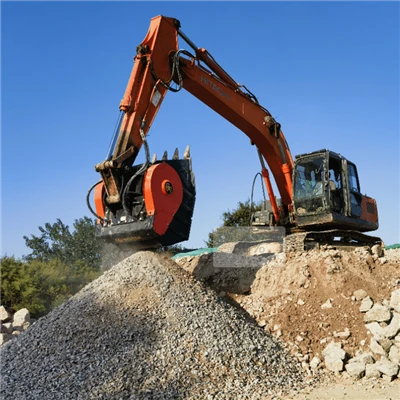
As a supplier of soil screener buckets, I've received numerous inquiries about the vibration level of these essential pieces of equipment during operation. Understanding the vibration level is crucial for several reasons, including operator comfort, equipment longevity, and the overall efficiency of the screening process. In this blog, I'll delve into the factors that influence the vibration level of a soil screener bucket, its implications, and how our products are designed to manage this critical aspect.
Factors Influencing Vibration Levels
1. Design and Construction
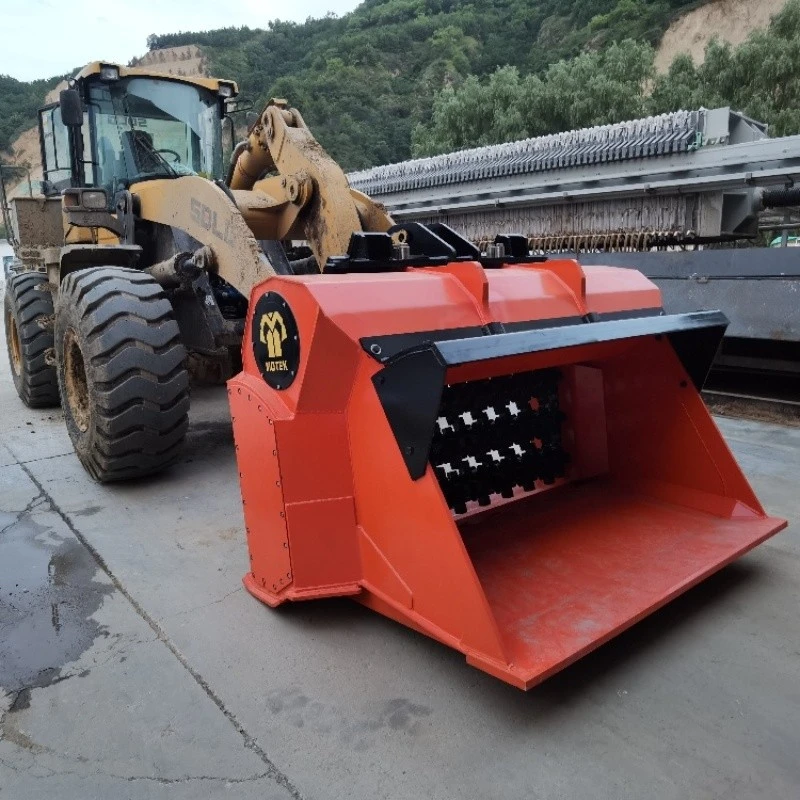
The design of a soil screener bucket plays a significant role in determining its vibration level. Buckets with a well - balanced structure tend to produce less vibration. Our Soil Screening Bucket is engineered with precision to ensure optimal balance. The use of high - quality materials and advanced manufacturing techniques also contributes to a more stable operation. For instance, the frame of our buckets is made from heavy - duty steel, which can withstand the forces generated during screening and minimize vibrations.
2. Screening Material
The type and characteristics of the material being screened have a direct impact on the vibration level. Soil with a high percentage of large rocks or hard clumps will cause more significant vibrations compared to fine, loose soil. When screening rocks, the Rock Screening Bucket may experience more intense vibrations due to the impact of the rocks against the screening elements. Our buckets are designed to adapt to different materials, but it's important to note that the nature of the material will always influence the vibration level to some extent.
3. Operating Conditions
The operating conditions, such as the speed of the skid steer or the excavator to which the bucket is attached, also affect the vibration level. Higher operating speeds generally result in more vibrations. Additionally, the terrain on which the equipment is operating can play a role. Uneven or rough terrain can cause the bucket to bounce and increase the vibration level. Our Screener Bucket for Skid Steer is designed to work efficiently under a variety of operating conditions, but operators should always be aware of how these factors can impact vibration.

Implications of Vibration Levels
1. Operator Comfort
Excessive vibrations can lead to operator fatigue and discomfort. Prolonged exposure to high - level vibrations can cause health issues such as hand - arm vibration syndrome (HAVS) or whole - body vibration (WBV) - related problems. Our soil screener buckets are designed to keep vibration levels within acceptable limits to ensure the well - being of the operators. By minimizing vibrations, we aim to provide a more comfortable working environment, which can improve productivity and reduce the risk of long - term health problems.
2. Equipment Longevity
High vibration levels can also have a negative impact on the longevity of the soil screener bucket. Excessive vibrations can cause components to loosen, wear out more quickly, and even lead to structural damage over time. Our buckets are built to withstand the normal levels of vibration associated with their operation, but minimizing vibrations as much as possible helps to extend the lifespan of the equipment. This means less downtime for maintenance and repairs, which ultimately saves our customers time and money.
3. Screening Efficiency
The vibration level can affect the screening efficiency of the bucket. If the vibrations are too low, the material may not be properly agitated, and the screening process may be less effective. On the other hand, if the vibrations are too high, the material may be ejected from the bucket before it is fully screened. Our engineers have carefully calibrated the vibration levels of our buckets to ensure optimal screening efficiency, allowing for a more consistent and high - quality output.
How Our Soil Screener Buckets Manage Vibration
1. Advanced Damping Systems
We incorporate advanced damping systems into our soil screener buckets to reduce vibrations. These systems are designed to absorb and dissipate the energy generated during operation, minimizing the transfer of vibrations to the operator and the rest of the equipment. The damping materials used are carefully selected for their durability and effectiveness in reducing vibrations across a wide range of frequencies.
2. Precision Engineering
Our soil screener buckets are the result of precision engineering. Every component is designed and manufactured to exact specifications to ensure a balanced and stable operation. The screening elements are carefully positioned and secured to minimize any imbalances that could cause vibrations. Additionally, the connection points between the bucket and the skid steer or excavator are designed to provide a smooth transfer of power and reduce vibrations.
3. Continuous Improvement
We are committed to continuous improvement in our product design. Our research and development team regularly conducts tests to measure the vibration levels of our soil screener buckets and identify areas for improvement. By staying at the forefront of technology and innovation, we can ensure that our buckets continue to offer the best possible performance in terms of vibration management.
Conclusion
Understanding the vibration level of a soil screener bucket during operation is essential for both operators and equipment suppliers. At our company, we take pride in designing and manufacturing soil screener buckets that offer optimal vibration management. Our Soil Screening Bucket, Rock Screening Bucket, and Screener Bucket for Skid Steer are engineered to provide a comfortable working environment, extend equipment longevity, and ensure high - efficiency screening.
If you're in the market for a soil screener bucket and want to learn more about our products or discuss your specific requirements, we invite you to reach out to us. Our team of experts is ready to assist you in finding the perfect solution for your screening needs.
References
- ISO 5349 - 1:2001, Mechanical vibration — Measurement and evaluation of human exposure to hand - arm vibration — Part 1: General requirements.
- ISO 2631 - 1:1997, Mechanical vibration and shock — Evaluation of human exposure to whole - body vibration — Part 1: General requirements.