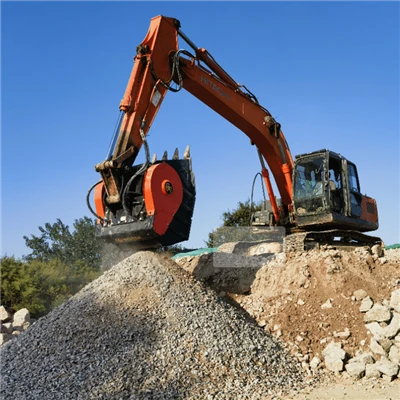
What is the vibration frequency of a rock screening bucket?
As a provider of rock screening buckets, I've encountered numerous inquiries regarding the vibration frequency of these essential pieces of equipment. Understanding the vibration frequency of a rock screening bucket is crucial for optimizing its performance, ensuring efficient screening operations, and achieving the desired results in various applications. In this blog post, I'll delve into the concept of vibration frequency, its significance in rock screening buckets, and how it impacts the screening process.


Understanding Vibration Frequency
Vibration frequency refers to the number of oscillations or vibrations that occur within a given time frame, typically measured in hertz (Hz). In the context of a rock screening bucket, the vibration frequency determines how rapidly the screening elements, such as the bars or mesh, move back and forth. This movement is essential for separating materials of different sizes, allowing smaller particles to pass through the screening gaps while retaining larger ones.
The vibration frequency of a rock screening bucket can vary depending on several factors, including the design of the bucket, the type of screening media used, the size and weight of the materials being screened, and the specific requirements of the application. Generally, rock screening buckets operate at frequencies ranging from 10 Hz to 30 Hz, although some specialized models may have higher or lower frequencies.
Significance of Vibration Frequency in Rock Screening Buckets
The vibration frequency plays a crucial role in the performance of a rock screening bucket. Here's how it impacts the screening process:
- Efficient Material Separation: A higher vibration frequency increases the speed at which the screening elements move, enhancing the probability of smaller particles passing through the screening gaps. This results in more efficient material separation, allowing for a higher throughput and better-quality screening.
- Preventing Clogging: The rapid vibration helps to prevent materials from clogging the screening gaps, ensuring continuous and uninterrupted screening operations. By keeping the screening media clean, the vibration frequency maintains the efficiency of the bucket and reduces the need for frequent maintenance.
- Adaptability to Different Materials: Different materials have different physical properties, such as size, shape, and density, which can affect the screening process. A rock screening bucket with an adjustable vibration frequency allows operators to optimize the screening performance based on the specific characteristics of the materials being screened. For example, a higher frequency may be required for screening fine materials, while a lower frequency may be more suitable for larger, heavier materials.
- Enhanced Durability: The vibration frequency also affects the durability of the screening bucket. A well-designed bucket with an appropriate vibration frequency can withstand the forces generated during the screening process, reducing wear and tear on the components and extending the lifespan of the equipment.
Factors Affecting Vibration Frequency
Several factors can influence the vibration frequency of a rock screening bucket. Understanding these factors can help operators select the right bucket for their specific application and optimize its performance. Here are some of the key factors:
- Design of the Bucket: The design of the rock screening bucket, including the shape, size, and configuration of the screening elements, can have a significant impact on the vibration frequency. A well-designed bucket will have a balanced distribution of mass and a smooth flow of materials, allowing for efficient vibration and optimal screening performance.
- Type of Screening Media: The type of screening media used in the bucket, such as bars, mesh, or perforated plates, can also affect the vibration frequency. Different screening media have different stiffness and flexibility, which can influence the way they vibrate and interact with the materials being screened. For example, a mesh screen may require a higher vibration frequency than a bar screen to achieve the same level of screening efficiency.
- Size and Weight of the Materials: The size and weight of the materials being screened can also impact the vibration frequency. Larger, heavier materials may require a lower vibration frequency to prevent them from bouncing off the screening elements, while smaller, lighter materials may require a higher frequency to ensure efficient separation.
- Power Source: The power source of the rock screening bucket, such as a hydraulic motor or an electric motor, can also affect the vibration frequency. Different power sources have different power outputs and torque characteristics, which can influence the speed and amplitude of the vibration. For example, a hydraulic motor may provide a higher torque and a more consistent vibration frequency than an electric motor.
Choosing the Right Vibration Frequency
Selecting the right vibration frequency for a rock screening bucket is essential for achieving optimal performance and efficiency. Here are some tips to help you choose the right frequency:
- Consider the Materials: The type, size, and weight of the materials being screened should be the primary consideration when choosing the vibration frequency. Consult the manufacturer's specifications or seek advice from an experienced professional to determine the appropriate frequency for your specific application.
- Test Different Frequencies: If possible, test the rock screening bucket at different vibration frequencies to see which one provides the best results. This can help you optimize the screening performance and achieve the desired level of efficiency.
- Adjust the Frequency as Needed: The vibration frequency may need to be adjusted based on the changing conditions of the materials being screened or the specific requirements of the application. Most rock screening buckets are equipped with an adjustable vibration frequency feature, allowing you to fine-tune the performance of the bucket as needed.
Conclusion
The vibration frequency of a rock screening bucket is a critical factor that affects its performance, efficiency, and durability. By understanding the concept of vibration frequency, its significance in the screening process, and the factors that influence it, operators can select the right bucket for their specific application and optimize its performance.
As a leading provider of Skid Steer Screening Bucket, Screening Bucket, and Skid Steer Screener Bucket, we offer a wide range of high-quality screening buckets with adjustable vibration frequencies to meet the diverse needs of our customers. Our experienced team of professionals can provide you with expert advice and support to help you choose the right bucket for your application and ensure its optimal performance.
If you're interested in learning more about our rock screening buckets or have any questions about vibration frequency, please don't hesitate to [contact us](the contact way). We'd be happy to discuss your requirements and provide you with a customized solution that meets your specific needs.
References
- Smith, J. (2020). Rock Screening Bucket Technology: A Comprehensive Guide. Construction Equipment Magazine.
- Johnson, R. (2019). Understanding Vibration Frequency in Screening Equipment. Mining Journal.
- Brown, A. (2018). The Importance of Vibration Frequency in Rock Screening. Aggregates Industry Review.