

What is the resistance of a soil screener bucket to corrosion?
As a soil screener bucket supplier, I often receive inquiries from customers about the corrosion resistance of our products. Corrosion is a significant concern, especially for equipment that is frequently exposed to harsh environmental conditions, such as soil, water, and chemicals. In this blog post, I will delve into the factors that affect the corrosion resistance of a soil screener bucket and the measures we take to enhance it.
Understanding Corrosion
Corrosion is a natural process that occurs when a metal reacts with its environment, typically oxygen and water. This reaction forms metal oxides or hydroxides, which can weaken the metal and cause it to deteriorate over time. In the case of a soil screener bucket, corrosion can lead to reduced performance, structural damage, and ultimately, the need for costly repairs or replacements.

There are several types of corrosion that can affect soil screener buckets, including: - Uniform corrosion: This is the most common type of corrosion, where the entire surface of the metal is affected evenly. It is typically caused by exposure to moisture and oxygen in the environment. - Pitting corrosion: Pitting corrosion occurs when small holes or pits form on the surface of the metal. It is often caused by the presence of chloride ions in the soil or water, which can break down the protective oxide layer on the metal surface. - Galvanic corrosion: Galvanic corrosion occurs when two different metals are in contact with each other in the presence of an electrolyte, such as water. The more reactive metal will corrode faster than the less reactive metal, leading to accelerated corrosion.
Factors Affecting Corrosion Resistance
The corrosion resistance of a soil screener bucket depends on several factors, including: - Material selection: The choice of material is crucial in determining the corrosion resistance of a soil screener bucket. We use high-quality materials, such as stainless steel and high-strength steel, which have excellent corrosion resistance properties. Stainless steel contains chromium, which forms a protective oxide layer on the surface of the metal, preventing further corrosion. High-strength steel is also resistant to corrosion, but it may require additional protective coatings to enhance its durability. - Surface treatment: Surface treatment is another important factor in enhancing the corrosion resistance of a soil screener bucket. We apply various surface treatments, such as painting, galvanizing, and powder coating, to protect the metal surface from corrosion. Painting provides a protective barrier between the metal and the environment, while galvanizing involves coating the metal with a layer of zinc, which acts as a sacrificial anode, protecting the underlying metal from corrosion. Powder coating is a more durable and environmentally friendly alternative to painting, as it provides a thicker and more uniform coating. - Design and construction: The design and construction of a soil screener bucket can also affect its corrosion resistance. We use a robust design that minimizes the number of crevices and joints, where moisture and dirt can accumulate and cause corrosion. We also ensure that all welds are properly sealed and protected to prevent corrosion from occurring. - Environmental conditions: The environmental conditions in which the soil screener bucket is used can have a significant impact on its corrosion resistance. Factors such as humidity, temperature, soil type, and the presence of chemicals can all contribute to corrosion. For example, soil that is high in chloride ions or acidic can accelerate corrosion, while a dry and clean environment can help to prevent it.
Measures to Enhance Corrosion Resistance
To enhance the corrosion resistance of our soil screener buckets, we take several measures, including: - Material selection: As mentioned earlier, we use high-quality materials, such as stainless steel and high-strength steel, which have excellent corrosion resistance properties. We also conduct rigorous quality control tests to ensure that the materials meet our strict standards. - Surface treatment: We apply various surface treatments, such as painting, galvanizing, and powder coating, to protect the metal surface from corrosion. We use high-quality paints and coatings that are specifically designed for outdoor use and can withstand harsh environmental conditions. - Design and construction: We use a robust design that minimizes the number of crevices and joints, where moisture and dirt can accumulate and cause corrosion. We also ensure that all welds are properly sealed and protected to prevent corrosion from occurring. - Regular maintenance: Regular maintenance is essential to ensure the long-term corrosion resistance of a soil screener bucket. We recommend that our customers clean the bucket after each use and inspect it regularly for signs of corrosion. If any corrosion is detected, it should be treated immediately to prevent further damage.
Conclusion
In conclusion, the corrosion resistance of a soil screener bucket is a critical factor that affects its performance and durability. As a soil screener bucket supplier, we understand the importance of providing our customers with high-quality products that are resistant to corrosion. By using high-quality materials, applying appropriate surface treatments, and implementing a robust design and construction, we are able to ensure that our soil screener buckets have excellent corrosion resistance properties.

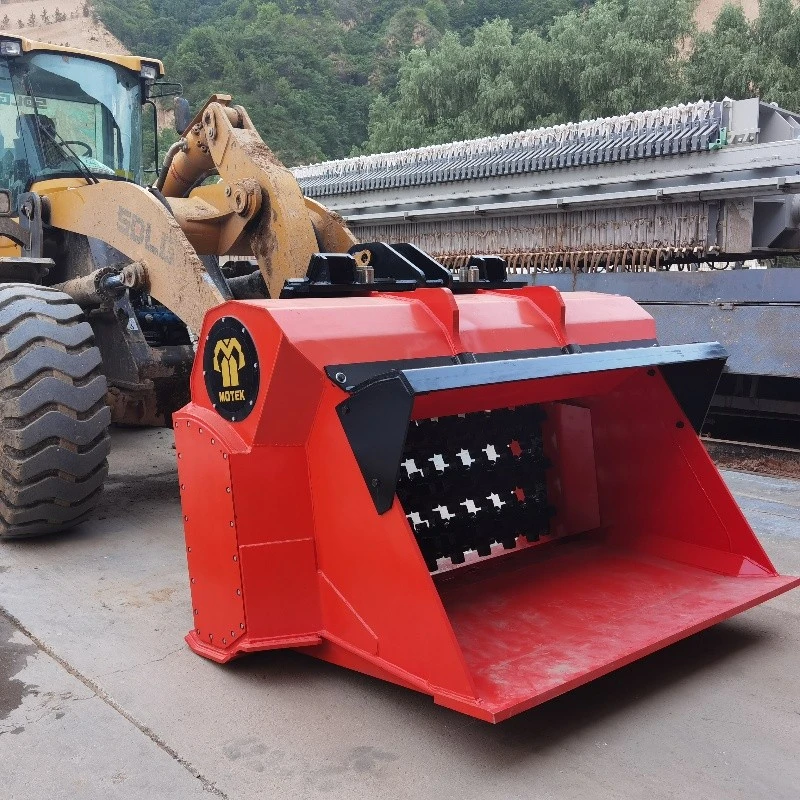
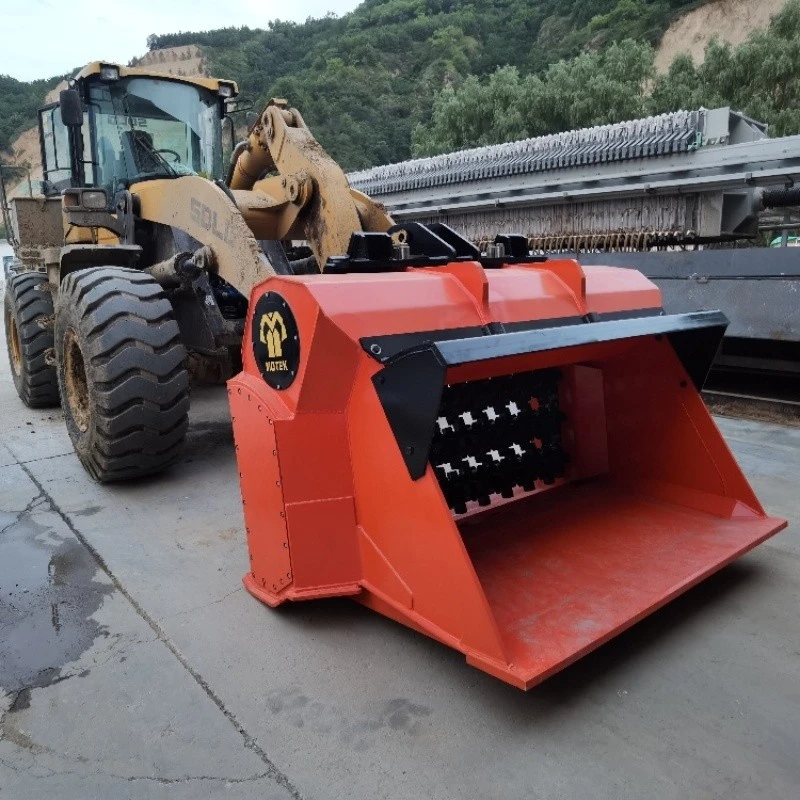
If you are in the market for a soil screener bucket, we invite you to explore our range of products, including the Rock Screening Bucket for Excavator, Screening Bucket for Loader, and Soil Screening Bucket. Our products are designed to meet the needs of various industries and applications, and we are committed to providing our customers with the best possible service and support.
If you have any questions or would like to discuss your specific requirements, please do not hesitate to contact us. We look forward to hearing from you and helping you find the perfect soil screener bucket for your needs.
References
- Jones, D. A. (1992). Principles and Prevention of Corrosion. Prentice Hall.
- Uhlig, H. H., & Revie, R. W. (1985). Corrosion and Corrosion Control: An Introduction to Corrosion Science and Engineering. Wiley.
- ASM International. (2004). Corrosion Basics: An Introduction. ASM International.





