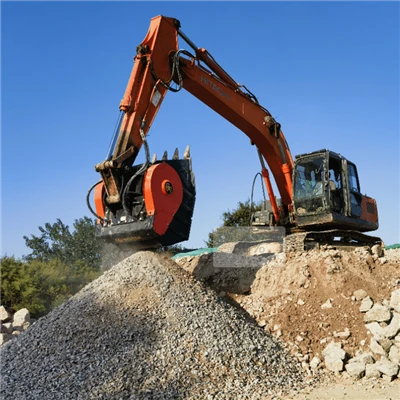
Hey there! As a supplier of screening buckets, I often get asked about the power source required for these nifty pieces of equipment. So, let's dive right in and break it all down.

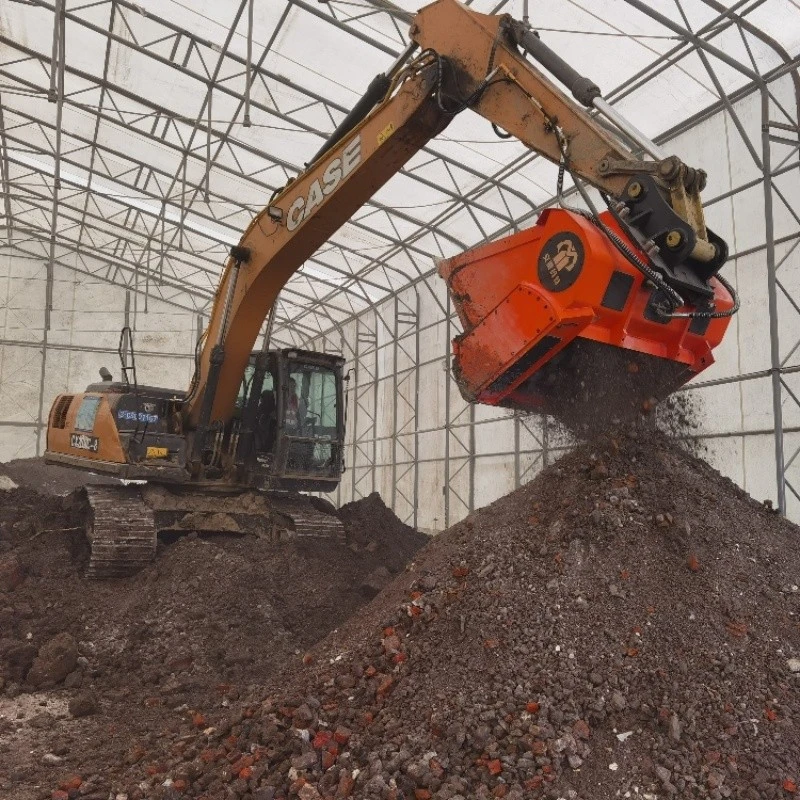
First off, what the heck is a screening bucket? Well, it's a specialized attachment that can be fitted onto machinery like loaders and excavators. It's used to sift through materials such as soil, gravel, and debris, separating the different sizes. This is super useful in construction, landscaping, and waste management projects.
Now, onto the main topic: the power source. There are a few different options available, and the choice depends on several factors like the size of the screening bucket, the type of machinery it's attached to, and the nature of the job.
Hydraulic Power
One of the most common power sources for screening buckets is hydraulic power. Most construction machinery, like excavators and loaders, already have a hydraulic system in place. This makes it a convenient and efficient option.
Hydraulic power works by using pressurized fluid to transfer energy. The hydraulic system in the machinery pumps the fluid into the screening bucket, which then powers the rotating drums or paddles inside the bucket. These rotating parts are what do the actual screening work, separating the materials.
The great thing about hydraulic power is that it provides a lot of torque, which is essential for heavy-duty screening. It can handle large volumes of material and can work in tough conditions. Plus, since it's integrated with the machinery's existing hydraulic system, there's no need for additional power generation equipment.
However, there are a few downsides. Hydraulic systems can be complex and require regular maintenance. If there's a leak in the hydraulic lines, it can lead to a loss of power and potentially damage the equipment. Also, the power output of the hydraulic system depends on the capacity of the machinery's hydraulic pump. So, if you're using a smaller machine, you might not get as much power as you need for a large screening bucket.
Electric Power
Another option for powering a screening bucket is electricity. Electric screening buckets are becoming more popular, especially in indoor or noise-sensitive environments.
Electric power is clean and quiet, which makes it a great choice for urban construction sites or areas where noise pollution is a concern. It also doesn't produce any emissions, which is better for the environment.
To use an electric screening bucket, you'll need to have access to a power source. This could be a generator on-site or a direct connection to the electrical grid. The electric motor in the screening bucket converts electrical energy into mechanical energy, which drives the screening mechanism.
One of the advantages of electric power is that it's relatively easy to control. You can adjust the speed and power output of the electric motor to suit the specific screening requirements. Electric motors also tend to have a longer lifespan compared to hydraulic systems, and they require less maintenance.
However, the main drawback of electric power is the limited mobility. You're restricted by the length of the power cable or the availability of a generator. This can be a problem if you need to move the screening bucket around a large site. Also, electric motors might not be as powerful as hydraulic systems, so they might not be suitable for heavy-duty screening jobs.
PTO (Power Take-Off)
Some screening buckets can be powered by a Power Take-Off (PTO) system. A PTO is a device that transfers power from the engine of a vehicle or machinery to an attached implement. It's commonly used in agricultural and industrial applications.
In the case of a screening bucket, the PTO connects to the engine of the loader or tractor. The engine's power is then transferred to the screening bucket through a driveshaft. This allows the screening bucket to operate independently of the vehicle's hydraulic system.
PTO-powered screening buckets are a good option for those who already have a PTO-equipped vehicle. They offer a reliable and efficient power source, and they can be easily attached and detached from the vehicle.
However, like hydraulic systems, PTO systems can be complex and require proper installation and maintenance. Also, the power output of the PTO depends on the engine's capacity, so you need to make sure that the engine can provide enough power for the screening bucket.
Choosing the Right Power Source
So, how do you choose the right power source for your screening bucket? Well, it all comes down to your specific needs and circumstances.
If you're working on a large construction site with heavy-duty screening requirements, a hydraulic-powered screening bucket might be the best choice. It offers the power and durability you need to handle large volumes of material. You can check out our Loader Screener for a great example of a hydraulic-powered screening bucket.
On the other hand, if you're working in an indoor or noise-sensitive environment, an electric screening bucket could be the way to go. It's clean, quiet, and easy to control. Our Bucket Screener is available in an electric version and is perfect for these types of applications.
If you already have a PTO-equipped vehicle and want a reliable and efficient power source, a PTO-powered screening bucket might be suitable for you.
And if you're dealing with topsoil screening, our Topsoil Screening Bucket offers different power source options to meet your specific needs.
Conclusion
In conclusion, the power source required for a screening bucket depends on several factors, including the size of the bucket, the type of machinery it's attached to, and the nature of the job. Hydraulic, electric, and PTO power are all viable options, each with its own advantages and disadvantages.
As a screening bucket supplier, we're here to help you choose the right power source for your needs. Whether you're a contractor, landscaper, or waste management professional, we have the expertise and products to meet your requirements.
If you're interested in purchasing a screening bucket or have any questions about the power sources, feel free to reach out to us. We'd be happy to have a chat and discuss your options.
References
- Construction Equipment Handbook
- Machinery Power Systems Manual