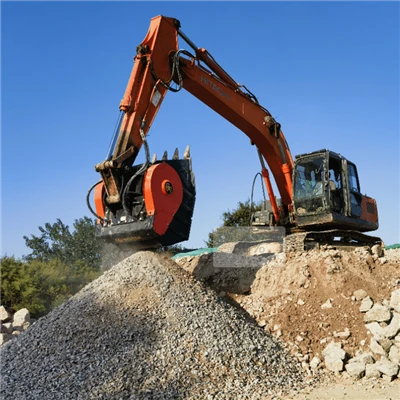
As a supplier of Best Screening Buckets, one of the most common questions I encounter from customers is about the power consumption of these innovative tools. Understanding the power consumption of a screening bucket is crucial for businesses looking to optimize their operations, manage costs, and make environmentally conscious decisions. In this blog post, I will delve into the factors that influence the power consumption of the Best Screening Bucket and provide some insights to help you make informed choices.
Understanding the Best Screening Bucket
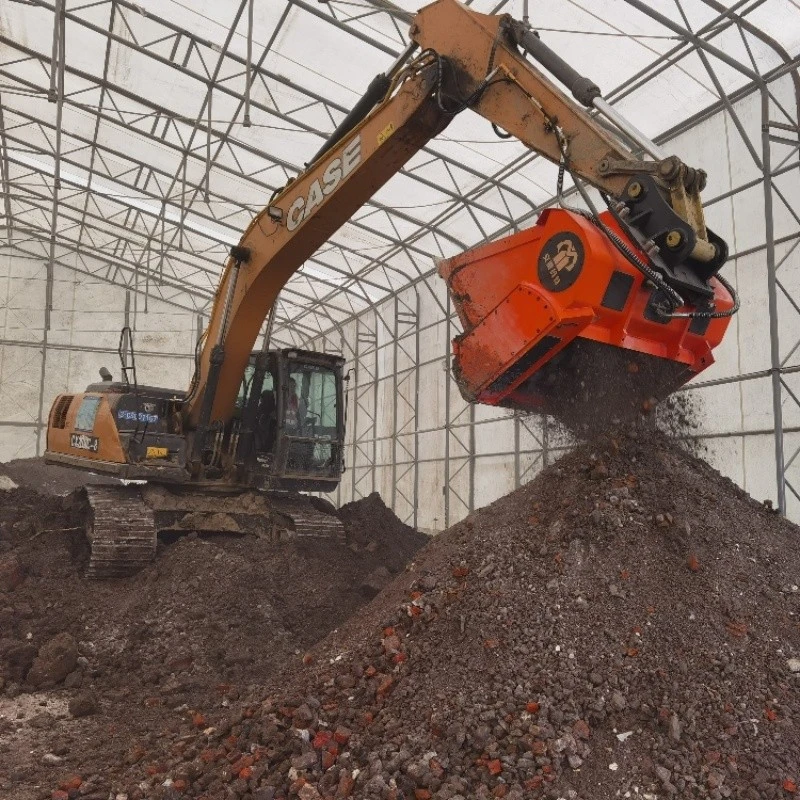
Before we dive into power consumption, let's briefly review what the Best Screening Bucket is and how it works. The Best Screening Bucket is a versatile attachment that can be used with excavators, loaders, and other heavy machinery. It is designed to separate different materials, such as soil, gravel, and debris, by size. The bucket features a series of rotating shafts with screening elements that allow smaller particles to pass through while larger ones are retained. This process is highly efficient and can significantly reduce the time and labor required for material screening.
Factors Affecting Power Consumption
The power consumption of the Best Screening Bucket can vary depending on several factors. Here are some of the key factors to consider:
1. Bucket Size and Capacity
Larger screening buckets generally require more power to operate. This is because they have a greater volume of material to process and larger rotating shafts that need to be driven. When choosing a screening bucket, it's important to select the right size for your specific application. A bucket that is too large may consume more power than necessary, while a bucket that is too small may not be able to handle the required workload efficiently.
2. Material Type and Density
The type and density of the material being screened can also have a significant impact on power consumption. For example, screening dense materials like wet clay or compacted soil may require more power than screening loose, dry materials like sand or gravel. This is because the denser materials offer more resistance to the rotating shafts, requiring more energy to break them up and separate them.
3. Rotation Speed
The rotation speed of the screening shafts is another important factor. Higher rotation speeds generally result in faster screening times but also consume more power. It's important to find the right balance between speed and power consumption based on your specific requirements. In some cases, a slightly lower rotation speed may be sufficient to achieve the desired screening results while reducing power consumption.
4. Machine Hydraulics
The hydraulic system of the machine to which the screening bucket is attached plays a crucial role in power consumption. A well-maintained and properly sized hydraulic system can ensure efficient power transfer to the screening bucket. If the hydraulic system is underpowered or has leaks, it may result in increased power consumption and reduced performance.
Measuring Power Consumption
Measuring the power consumption of the Best Screening Bucket can be challenging, as it depends on the specific operating conditions and the machine it is attached to. However, there are some general guidelines that can help you estimate power consumption.
Most screening buckets are powered by the hydraulic system of the host machine. The power consumption can be estimated based on the flow rate and pressure of the hydraulic fluid. The flow rate is typically measured in liters per minute (LPM) or gallons per minute (GPM), while the pressure is measured in bars or pounds per square inch (PSI).
To calculate the power consumption in kilowatts (kW), you can use the following formula:
Power (kW) = (Flow rate (LPM) x Pressure (bar)) / 600
For example, if the hydraulic system has a flow rate of 100 LPM and a pressure of 200 bar, the power consumption would be:
Power (kW) = (100 x 200) / 600 = 33.33 kW
It's important to note that this is a simplified calculation and actual power consumption may vary depending on factors such as system efficiency, losses, and the specific design of the screening bucket.
Optimizing Power Consumption
There are several ways to optimize the power consumption of the Best Screening Bucket and reduce operating costs. Here are some tips:
1. Choose the Right Machine
Selecting the right machine for your screening application is crucial. Make sure the machine has enough power and a properly sized hydraulic system to operate the screening bucket efficiently. Consider factors such as the machine's engine power, hydraulic flow rate, and lift capacity.
2. Adjust Rotation Speed
As mentioned earlier, finding the right rotation speed can help balance screening efficiency and power consumption. Experiment with different rotation speeds to find the optimal setting for your specific material and application.
3. Maintain the Hydraulic System
Regular maintenance of the hydraulic system is essential to ensure efficient power transfer. Check for leaks, replace worn-out seals and hoses, and keep the hydraulic fluid clean and at the proper level. A well-maintained hydraulic system can reduce power consumption and extend the lifespan of the screening bucket.
4. Use the Right Screening Elements
The choice of screening elements can also affect power consumption. Different screening elements have different open areas and hole sizes, which can impact the flow of material through the bucket. Select the screening elements that are best suited for your specific material and screening requirements to minimize resistance and power consumption.
Conclusion
In conclusion, the power consumption of the Best Screening Bucket depends on several factors, including bucket size, material type, rotation speed, and machine hydraulics. By understanding these factors and taking steps to optimize power consumption, you can reduce operating costs, improve efficiency, and make your screening operations more sustainable.
If you're in the market for a screening bucket, I encourage you to explore our range of products, including the Topsoil Screening Bucket, Digger Screening Bucket, and Screening Bucket Attachment. Our screening buckets are designed to provide high performance and efficiency while minimizing power consumption.
If you have any questions or would like to discuss your specific screening requirements, please don't hesitate to contact us. We're here to help you find the best screening solution for your business.

References
- Manufacturer's specifications for the Best Screening Bucket
- Hydraulic system design and operation manuals
- Industry research on power consumption in heavy machinery attachments