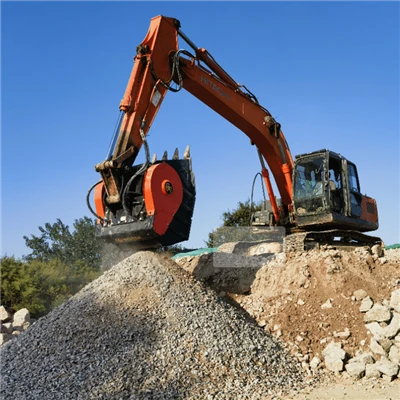
As a supplier of Bucket Screeners, I've had the privilege of witnessing the crucial role these machines play in various industries, from construction and mining to waste management and landscaping. One of the most frequently asked questions I encounter is about the material of the screening mesh used in Bucket Screeners. In this blog post, I'll delve into the different materials commonly used for screening meshes, their properties, and how they impact the performance of Bucket Screeners.
Understanding the Importance of Screening Mesh
The screening mesh is the heart of a Bucket Screener. It determines the size of the particles that can pass through, thereby separating materials based on their size. The efficiency, durability, and overall performance of a Bucket Screener largely depend on the quality and suitability of the screening mesh. A well - chosen mesh can significantly improve the productivity of the screening process, reduce downtime due to mesh replacement, and ensure a consistent output quality.
Common Materials for Screening Mesh
1. Steel
Steel is one of the most widely used materials for screening meshes in Bucket Screeners. It offers several advantages that make it a popular choice:
- High Strength and Durability: Steel meshes can withstand high impact forces and abrasion, making them suitable for screening tough materials such as rocks, gravel, and construction debris. They have a long service life, even in harsh operating conditions, which reduces the frequency of mesh replacement and lowers the overall operating cost.
- Good Weldability: Steel can be easily welded, allowing for the fabrication of custom - sized and shaped meshes to fit different Bucket Screener models. This flexibility in manufacturing enables us to meet the specific requirements of our customers.
- Versatility: Steel meshes can be produced with different hole sizes and shapes, such as square, rectangular, or round, to accommodate various screening applications. For example, square - hole meshes are commonly used for general screening purposes, while rectangular - hole meshes are more suitable for screening elongated particles.
However, steel meshes also have some limitations. They are relatively heavy, which can increase the weight of the Bucket Screener and reduce the efficiency of the excavator. Additionally, steel is prone to corrosion, especially in wet or corrosive environments. To mitigate this issue, steel meshes can be coated with anti - corrosion materials such as zinc or epoxy.
2. Polyurethane
Polyurethane is another material that is increasingly being used for screening meshes. It has the following characteristics:
- High Abrasion Resistance: Polyurethane meshes can resist wear and tear better than many other materials, making them ideal for screening abrasive materials. They have a longer service life compared to some traditional materials, which can lead to cost savings in the long run.
- Lightweight: Polyurethane is much lighter than steel, which reduces the overall weight of the Bucket Screener. This can improve the fuel efficiency of the excavator and increase its lifting capacity, allowing for more efficient operation.
- Noise Reduction: Polyurethane meshes produce less noise during the screening process compared to steel meshes. This is beneficial in noise - sensitive environments, such as urban construction sites.
- Flexibility: Polyurethane meshes are more flexible than steel meshes, which allows them to conform to the shape of the material being screened. This can improve the screening efficiency and reduce the risk of blockages.
On the downside, polyurethane meshes have a lower heat resistance compared to steel meshes. They may also be more expensive upfront, although the longer service life can offset the initial cost.
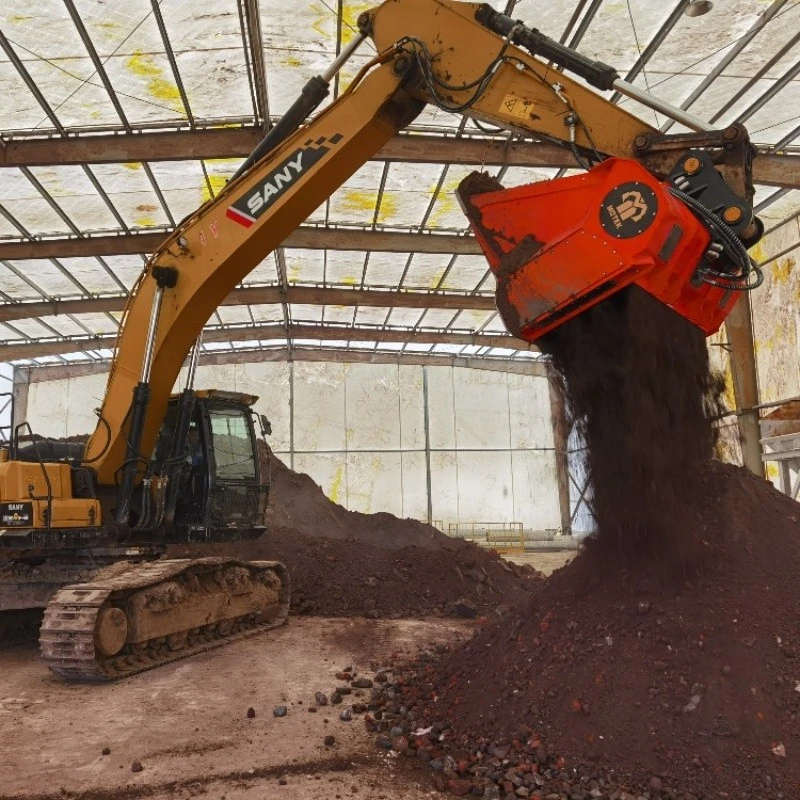

3. Rubber
Rubber screening meshes are commonly used in applications where noise reduction and gentle handling of materials are required.
- Noise and Vibration Dampening: Rubber has excellent noise and vibration dampening properties, which can create a more comfortable working environment. This is particularly important in indoor or residential areas where noise pollution needs to be minimized.
- Gentle Screening: Rubber meshes are less likely to damage the screened materials, making them suitable for screening fragile or valuable materials such as recycled aggregates or agricultural products.
- Good Elasticity: The elasticity of rubber allows it to absorb impact forces, reducing the stress on the Bucket Screener and the mesh itself. This can extend the service life of the mesh and the equipment.
However, rubber meshes have a lower abrasion resistance compared to steel and polyurethane meshes. They are also less suitable for screening large or heavy - duty materials.
Factors to Consider When Choosing the Screening Mesh Material
When selecting the material for the screening mesh of a Bucket Screener, several factors need to be considered:
- Type of Material to be Screened: The hardness, abrasiveness, and size of the material being screened play a crucial role in determining the appropriate mesh material. For example, if you are screening hard rocks, a steel mesh may be the best choice, while for screening recycled plastics, a polyurethane or rubber mesh may be more suitable.
- Operating Conditions: The environment in which the Bucket Screener will be used, such as temperature, humidity, and the presence of corrosive substances, should also be taken into account. In a wet or corrosive environment, a coated steel mesh or a corrosion - resistant material like polyurethane may be required.
- Screening Efficiency: The desired screening efficiency, including the throughput rate and the accuracy of particle size separation, can influence the choice of mesh material. Some materials may offer better screening performance in certain applications.
- Cost: The initial cost of the mesh material, as well as the long - term operating cost, should be considered. While some materials may have a higher upfront cost, they may offer a longer service life and lower maintenance requirements, resulting in cost savings over time.
Our Offerings as a Bucket Screener Supplier
At our company, we understand the importance of providing high - quality screening meshes for our Bucket Screeners. We offer a wide range of mesh materials, including steel, polyurethane, and rubber, to meet the diverse needs of our customers. Our experienced team can help you select the most suitable mesh material based on your specific application and requirements.
We also provide custom - made screening meshes to ensure a perfect fit for your Bucket Screener. Whether you need a specific hole size, shape, or mesh configuration, we can fabricate it to your exact specifications.
In addition to our high - quality products, we offer excellent customer service. Our technical support team is available to answer any questions you may have about the screening mesh or the Bucket Screener itself. We also provide installation and maintenance services to ensure the optimal performance of your equipment.
If you are interested in our Screening Buckets, Screening Bucket Excavator, or Screening Bucket Attachment, or if you have any questions about the screening mesh material, please feel free to contact us. We are committed to providing you with the best solutions for your screening needs.
Conclusion
The material of the screening mesh is a critical factor in the performance of a Bucket Screener. Steel, polyurethane, and rubber are the most commonly used materials, each with its own advantages and limitations. By considering the type of material to be screened, the operating conditions, the screening efficiency, and the cost, you can choose the most suitable mesh material for your application.
As a leading Bucket Screener supplier, we are dedicated to providing high - quality screening meshes and excellent customer service. If you are looking for a reliable Bucket Screener and screening mesh solution, we invite you to contact us for further discussion and procurement negotiation. We look forward to working with you to meet your screening needs.
References
- "Screening Technology Handbook" by S. S. Svarovsky
- "Materials Science and Engineering: An Introduction" by William D. Callister Jr. and David G. Rethwisch