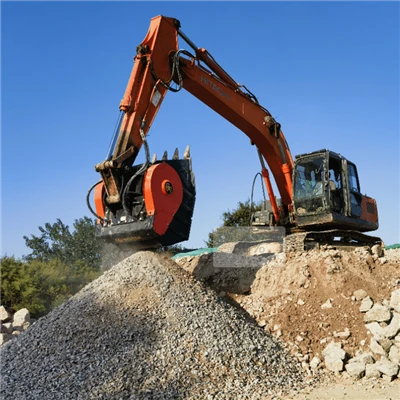
Hey there! As a supplier of Big Jaw Crushers, I've seen firsthand how crucial it is to keep the hydraulic system in top - notch condition. In this blog, I'm gonna break down the maintenance requirements of the hydraulic system in a Big Jaw Crusher.
Understanding the Hydraulic System in a Big Jaw Crusher
First off, let's get a basic understanding of what the hydraulic system does in a Big Jaw Crusher. The hydraulic system is like the heart of the crusher. It's responsible for powering various functions such as adjusting the discharge opening, controlling the crusher's movement, and providing the force needed to crush the materials.
The main components of the hydraulic system include the hydraulic pump, hydraulic cylinders, valves, and hydraulic fluid. The pump is what generates the pressure, the cylinders convert the hydraulic energy into mechanical force, the valves control the flow and direction of the hydraulic fluid, and the hydraulic fluid acts as the medium for transmitting power.
Regular Inspection
One of the most important maintenance requirements is regular inspection. You should check the hydraulic system at least once a week, or more frequently if the crusher is in heavy - duty use.
Visual Inspection
Start with a visual inspection. Look for any signs of leaks. Leaks can occur at the connections between hoses, valves, and cylinders. A small leak might seem insignificant at first, but over time, it can lead to a loss of hydraulic fluid, which can cause the system to malfunction. Check the hoses for any signs of wear, such as cracks or bulges. If you notice any issues, replace the hoses immediately.
Also, inspect the hydraulic fluid level. The fluid level should be within the recommended range marked on the reservoir. If the level is low, it could indicate a leak or excessive consumption.
Pressure and Temperature Checks
Use a pressure gauge to check the hydraulic pressure. The pressure should be within the manufacturer's specified range. If the pressure is too high or too low, it can cause problems with the crusher's operation. High pressure can damage the components, while low pressure might not provide enough force to crush the materials effectively.
Monitor the temperature of the hydraulic fluid. Excessive heat can break down the fluid and reduce its lubricating properties. If the fluid temperature is too high, it could be due to a problem with the cooling system or excessive load on the hydraulic system.
Hydraulic Fluid Maintenance
The hydraulic fluid is the lifeblood of the hydraulic system, so proper fluid maintenance is essential.
Fluid Replacement
Over time, the hydraulic fluid can become contaminated with dirt, debris, and metal particles. These contaminants can cause wear and tear on the components of the hydraulic system. It's recommended to replace the hydraulic fluid every 1000 - 2000 operating hours, depending on the type of fluid and the operating conditions.
When replacing the fluid, make sure to use the type of fluid recommended by the manufacturer. Using the wrong fluid can lead to poor performance and damage to the system.
Filtration
A good filtration system is crucial for keeping the hydraulic fluid clean. The filters in the hydraulic system should be checked and replaced regularly. Clogged filters can restrict the flow of fluid, which can cause the system to overheat and reduce its efficiency. Check the filters at least once a month and replace them if they are dirty or clogged.
Component Maintenance
Each component of the hydraulic system requires specific maintenance.
Hydraulic Pump
The hydraulic pump is responsible for generating the pressure in the system. It should be inspected regularly for any signs of wear or damage. Listen for any unusual noises coming from the pump, as this could indicate a problem.
The pump's seals should be checked for leaks. If the seals are worn, they can allow fluid to leak out, which can reduce the pump's efficiency. Replace the seals if necessary.
Hydraulic Cylinders
The hydraulic cylinders are what provide the force for crushing. Check the cylinders for any signs of corrosion or damage to the piston rods. The seals on the cylinders should also be inspected regularly. If the seals are leaking, it can cause a loss of force and reduce the crusher's performance.
Valves
The valves control the flow and direction of the hydraulic fluid. Make sure the valves are operating smoothly. Check for any signs of sticking or leakage. If a valve is not working properly, it can cause problems with the overall operation of the hydraulic system.
Training and Operator Awareness
Proper training of the operators is also an important part of hydraulic system maintenance. Operators should be aware of the basic functions of the hydraulic system and how to recognize signs of problems. They should know when to perform basic checks and when to call for professional maintenance.
Encourage operators to report any issues they notice immediately. Early detection of problems can prevent more serious damage to the hydraulic system and the crusher as a whole.
Benefits of Proper Maintenance
Maintaining the hydraulic system in a Big Jaw Crusher has several benefits. Firstly, it ensures the reliable operation of the crusher. A well - maintained hydraulic system can provide consistent power and force, which is essential for efficient crushing.
Secondly, it extends the lifespan of the crusher. By reducing wear and tear on the components, proper maintenance can prevent premature failure and costly repairs.
Finally, it improves safety. A malfunctioning hydraulic system can pose a safety risk to the operators. By keeping the system in good condition, you can minimize the risk of accidents.
Conclusion
In conclusion, the maintenance of the hydraulic system in a Big Jaw Crusher is a critical task that requires regular inspection, proper fluid maintenance, component care, and operator training. By following these maintenance requirements, you can ensure the smooth operation of your crusher and get the most out of your investment.
If you're in the market for a Big Jaw Crusher or need more information about hydraulic system maintenance, we're here to help. Whether you're interested in an Excavator Jaw Bucket, an Asphalt Crushing Bucket, or a Jaw Crusher Excavator Attachment, feel free to reach out to us. We can provide you with high - quality crushers and expert advice on maintenance. Contact us today to start the procurement process and let's discuss how we can meet your crushing needs.


References
- Manufacturer's manual for Big Jaw Crushers
- Hydraulic system maintenance guides from industry experts
- Technical articles on hydraulic system operation and maintenance