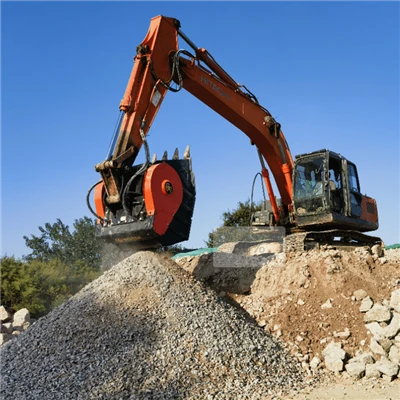
As a supplier of Rock Crusher Jaws, I've had countless discussions with customers about various aspects of our products. One question that frequently comes up is, "What is the installation difficulty of rock crusher jaws?" Well, let's dive right into it and break down the factors that can affect the installation process.
First off, it's important to understand the composition of a rock crusher jaw. Rock crusher jaws are a crucial component in crushers, designed to break down large rocks into smaller, more manageable pieces. They're typically made from high - strength materials like manganese steel or alloy steel to withstand the extreme forces involved in the crushing process.
The installation difficulty can be influenced by the type of crusher. There are different kinds of crushers out there, such as cone crushers, impact crushers, and of course, jaw crushers. Among these, jaw crushers are the most common type where our Rock Crusher Jaws are used. The Jaw Crusher for Excavator is a popular option, especially in the construction and mining industries.
When it comes to installing rock crusher jaws in a jaw crusher, the size and weight of the jaws play a significant role. Bigger and heavier jaws are generally more difficult to handle during installation. For example, if you're dealing with large - scale industrial crushers, the jaws can be so massive that they require heavy - duty lifting equipment like cranes or forklifts to move them into position. This not only adds to the complexity of the installation process but also requires trained personnel to operate the equipment safely.
Another factor is the design of the crusher itself. Some crushers have a more straightforward design that allows for easier access to the jaw - mounting area. In contrast, others may have a more complex structure, with multiple components and tight spaces that make it challenging to install the jaws. For instance, crushers with a compact design might have limited room for maneuvering the jaws, increasing the risk of damage during the installation process.
The level of expertise required for installation also varies. If you're an experienced technician who has installed rock crusher jaws multiple times, you'll likely find the process relatively straightforward. However, for someone new to the field, it can be quite daunting. Installation involves precise alignment of the jaws to ensure proper crushing operation. Misalignment can lead to uneven wear on the jaws and reduced crushing efficiency.
Let's talk about the specific steps involved in installing rock crusher jaws. First, you need to prepare the work area. This means ensuring that the crusher is shut down and locked out to prevent accidental startup. You'll also need to clean the mounting surfaces in the crusher to remove any dirt, debris, or old material that could interfere with the installation.
Next, you'll need to lift the new jaws into position. As I mentioned earlier, this may require the use of specialized lifting equipment. Once the jaws are in place, you'll need to align them carefully. This involves checking the gap between the two jaws (the crushing chamber) and making sure it is within the specified range for the crusher's operation. You may need to use shims or other adjustment tools to achieve the correct alignment.
After alignment, you'll then need to secure the jaws in place. This usually involves tightening bolts or using other fastening methods. It's crucial to follow the manufacturer's recommended torque specifications when tightening the bolts. Over - tightening can cause damage to the jaws or the crusher, while under - tightening can result in the jaws coming loose during operation, which is extremely dangerous.
Now, let's touch on some of the tools and equipment you'll need for the installation. In addition to lifting equipment like cranes or forklifts, you'll also need wrenches, sockets, torque wrenches, and likely some measuring tools such as calipers to ensure proper alignment. Having the right tools on hand can make a huge difference in how smoothly the installation process goes.
Some of our customers have also asked about the installation of rock crusher jaws in Bucket Rock Crusher. These types of crushers are more portable and often used in smaller - scale operations. While the basic principles of installation are similar, the overall process may be a bit less complicated due to the smaller size and more accessible design of the bucket crushers. However, you still need to pay close attention to alignment and proper fastening to ensure optimal performance.
The Motek - MTC200 is another example where our rock crusher jaws can be used. This particular model might have its own unique installation requirements, and it's essential to refer to the specific user manual for detailed instructions. But generally, the steps will involve similar processes of preparation, alignment, and fastening.


In conclusion, the installation difficulty of rock crusher jaws can range from relatively simple to quite complex, depending on factors like the size and design of the crusher, the weight of the jaws, and the expertise of the installer. At our company, we understand that not everyone has the same level of experience or resources when it comes to installing our products. That's why we're always here to offer support. Whether you need guidance on the installation process or advice on which type of rock crusher jaws is best for your specific application, we're just a call away.
If you're in the market for high - quality rock crusher jaws and want to discuss your needs in more detail, don't hesitate to reach out to us. Our team of experts is ready to assist you in finding the perfect solution for your crushing requirements. We look forward to hearing from you and helping you get the most out of your rock crushing equipment.
References
- General knowledge of rock crusher technology from industry experience
- Manufacturer's manuals for various crusher models