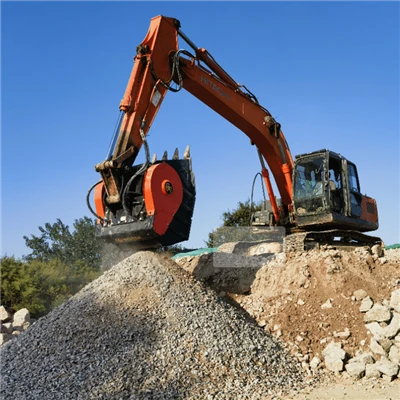
Hey there! As a supplier of Soil Improvements, I've seen firsthand the crucial role soil plays in various projects. Today, I want to dive into the topic of soil compaction and its impact on soil improvements.
What is Soil Compaction?
Soil compaction is a common phenomenon that occurs when external forces are applied to the soil, causing the soil particles to pack closer together. This can happen naturally, like through the weight of overlying soil layers, or artificially, such as during construction activities, heavy machinery use, or intense agricultural practices.
When soil gets compacted, the pore spaces between the soil particles are reduced. These pore spaces are essential as they allow air, water, and nutrients to move freely through the soil. Think of it like a sponge. A well - structured soil is like a sponge with lots of holes, allowing it to absorb and hold water and air. But when that sponge gets squeezed, those holes get smaller, and it becomes harder for the sponge to do its job.
Impact on Soil Structure
One of the most immediate impacts of soil compaction is on the soil structure. In healthy soil, there are different levels of aggregation, where soil particles clump together in various sizes. These aggregates create a stable structure that supports plant roots and helps with water infiltration and retention.
However, when the soil is compacted, these aggregates break down. The large pores that were previously present are destroyed, and the soil becomes more dense and less porous. This can lead to a significant reduction in the soil's ability to absorb and store water. Instead of water seeping into the soil, it may run off the surface, causing erosion and carrying away valuable topsoil.
For us in the soil improvements business, this means that compacted soil requires more work to restore its structure. We often use Soil Stabilization Products to help rebuild the soil aggregates and improve the overall soil structure. These products can bind the soil particles together, creating new pore spaces and enhancing the soil's water - holding capacity.
Effects on Plant Growth
Soil compaction has a direct impact on plant growth. Roots need space to grow and access nutrients and water. In compacted soil, the roots face a lot of resistance. They may not be able to penetrate deeply into the soil, which limits their ability to access water and nutrients that are available in the deeper layers.
As a result, plants in compacted soil often have stunted growth. They may have fewer and shorter roots, which can make them more susceptible to drought stress. Since the soil has poor water infiltration, plants may also experience waterlogging on the surface, which can lead to root rot and other diseases.
Moreover, the reduced pore space in compacted soil means less oxygen is available for the roots. Roots need oxygen for respiration, and a lack of it can slow down their growth and even cause root death.
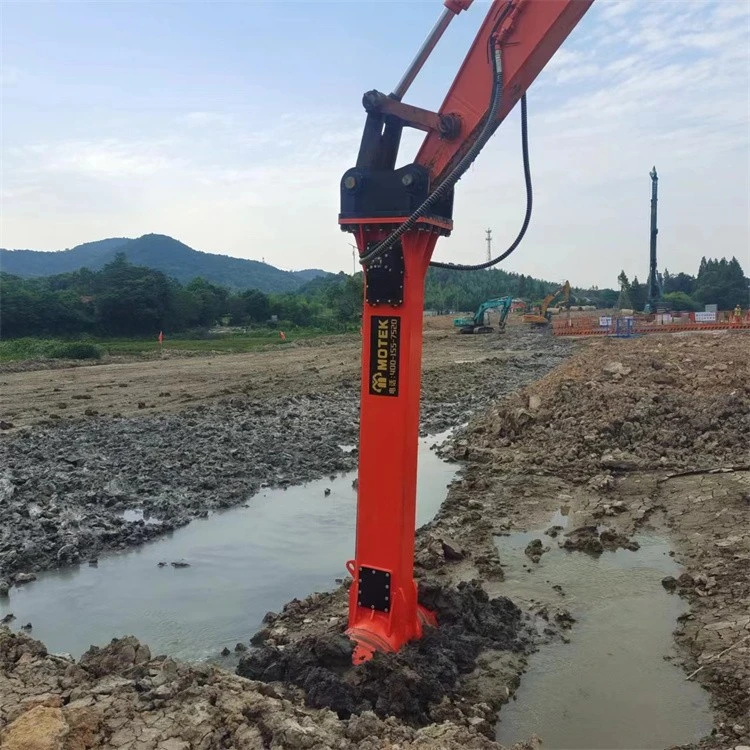
To counter these effects, we offer solutions that can help plants thrive in compacted soil. Our Power Mixer can be used to break up the compacted soil and mix in soil amendments. This helps to create a more favorable environment for plant roots, allowing them to grow more freely and access the resources they need.

Impact on Water Movement
Water movement in the soil is a complex process that is greatly affected by soil compaction. In normal, non - compacted soil, water can move through the large pores by gravity and capillary action. The large pores allow for rapid infiltration of water, while the smaller pores help to hold the water for later use by plants.
But in compacted soil, the reduced pore space restricts the movement of water. Water may not be able to infiltrate the soil quickly, leading to surface runoff. This can cause problems such as flooding in low - lying areas and loss of water from the soil system.
On the other hand, the smaller pores in compacted soil may hold water more tightly, making it difficult for plants to extract the water. This can result in a situation where the soil appears wet, but the plants are still suffering from water stress because they can't access the water.
Our soil improvement products are designed to address these water - related issues. By improving the soil structure and creating more pore space, we can enhance water infiltration and drainage, ensuring that the soil has the right balance of water for plant growth.
Impact on Soil Biology
Soil is teeming with life, including bacteria, fungi, earthworms, and other microorganisms. These organisms play a vital role in maintaining soil health. They break down organic matter, release nutrients, and help to improve soil structure.
Soil compaction can have a negative impact on soil biology. The reduced pore space makes it difficult for soil organisms to move around and carry out their functions. Earthworms, for example, need large pores to burrow through the soil. In compacted soil, their movement is restricted, and their populations may decline.
Bacteria and fungi also require oxygen and space to grow. In compacted soil, the lack of oxygen can limit their activity, which can slow down the decomposition of organic matter and the release of nutrients.
To revive the soil biology in compacted soil, we can introduce beneficial microorganisms through our soil improvement products. These microorganisms can help to break down organic matter, improve soil structure, and make nutrients more available to plants.
How We Can Help
As a Soil Improvements supplier, we have a range of products and solutions to deal with the problems caused by soil compaction. Our Soil Stabilization Products are formulated to improve soil structure, enhance water infiltration, and promote plant growth.
The Power Mixer is a great tool for breaking up compacted soil and mixing in soil amendments. It can be used in various applications, from small garden projects to large - scale construction sites.
If you're facing issues with soil compaction in your project, whether it's a landscaping project, an agricultural field, or a construction site, we're here to help. Our team of experts can assess your soil conditions and recommend the best solutions for your specific needs.
We understand that every project is unique, and we're committed to providing customized solutions that work. Whether you need a quick fix for a small area or a comprehensive soil improvement plan for a large site, we've got you covered.
If you're interested in learning more about our products and how they can help with soil compaction, don't hesitate to reach out. We're always happy to have a chat and discuss how we can improve your soil and make your project a success.
References
- Brady, N. C., & Weil, R. R. (2008). The Nature and Properties of Soils. Pearson Prentice Hall.
- Lal, R. (2004). Soil Management: Principles and Practices. CRC Press.
- Hillel, D. (1998). Environmental Soil Physics. Academic Press.