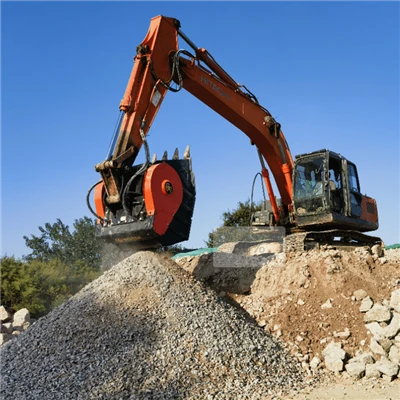
Hey there! As a supplier of Soil Mixing Machines, I'm super stoked to chat with you about what these nifty machines can do. In this blog, I'll break down the functions of a soil mixing machine, why it's a game - changer in the construction and environmental sectors, and how it can benefit your projects.
Basic Function: Blending Soil Components
At its core, a soil mixing machine, like the one you can check out Soil Mixing Machine, is all about blending different soil components. You see, natural soil often has inconsistent properties. It might have too much clay in one spot, or be overly sandy in another. This inconsistency can cause problems in construction projects, like uneven settling of buildings or roads.


A soil mixing machine takes different types of soil and mixes them thoroughly. It can also add other materials, such as cement, lime, or fly ash, to improve the soil's properties. For example, if you're building a foundation on soft clay soil, adding cement through a soil mixing machine can increase the soil's strength and stability. The machine works by churning the soil and the additives together, ensuring a homogenous mixture that's much more reliable for construction purposes.
In - situ Soil Stabilization
One of the most important functions of a soil mixing machine is in - situ soil stabilization. In - situ Soil Stabilization Methods involve treating the soil right where it is, without having to excavate and transport large amounts of soil. This is not only cost - effective but also more environmentally friendly.
When using a soil mixing machine for in - situ soil stabilization, the machine is driven over the area of soil that needs treatment. It then injects the stabilizing agents into the soil while simultaneously mixing them. This process can transform weak or unstable soil into a solid base for roads, buildings, or other structures. For instance, in areas with expansive clay soils that tend to swell and shrink with changes in moisture, in - situ soil stabilization using a soil mixing machine can prevent damage to structures caused by soil movement.
Improving Soil Permeability
Another key function of a soil mixing machine is to improve soil permeability. Permeability refers to how easily water can pass through the soil. In some cases, soil may have poor permeability, which can lead to waterlogging and other drainage issues.
By mixing the soil with certain additives, a soil mixing machine can create a more porous structure. For example, adding sand or gravel to clayey soil can increase its permeability. The machine ensures that these additives are evenly distributed throughout the soil, allowing water to flow through more freely. This is especially important in agricultural fields, where proper drainage is essential for plant growth, and in construction sites to prevent water - related damage to structures.
Remediation of Contaminated Soil
Soil mixing machines also play a crucial role in the remediation of contaminated soil. Contaminated soil can pose serious risks to human health and the environment. It may contain heavy metals, petroleum products, or other harmful substances.
A soil mixing machine can be used to mix the contaminated soil with agents that can neutralize or immobilize the contaminants. For example, adding lime or cement to soil contaminated with heavy metals can reduce the metals' mobility and toxicity. The machine mixes the soil and the remediation agents thoroughly, ensuring that the treatment is effective. This process can help clean up industrial sites, landfills, and other areas where soil contamination is a concern.
Mixing for Specialized Applications
In addition to the above functions, soil mixing machines are used for specialized applications. For example, in the production of soil - based building materials like adobe bricks or rammed earth walls, a soil mixing machine is used to mix the soil with other materials such as straw or fiber to improve the strength and durability of the final product.
In the field of landscaping, a soil mixing machine can be used to create custom soil blends for different types of plants. Different plants have different soil requirements, and a soil mixing machine can help create the perfect soil mix by combining topsoil, compost, and other additives in the right proportions.
The Role of the Mixer
The Mixer is a crucial part of the soil mixing machine. It's responsible for actually blending the soil and the additives. There are different types of mixers, such as paddle mixers, drum mixers, and continuous mixers.
Paddle mixers use paddles to stir the soil and additives, providing a high - intensity mixing action. Drum mixers, on the other hand, rotate a drum containing the soil and additives, allowing for a more gentle mixing process. Continuous mixers are designed to mix soil and additives continuously as they are fed into the machine, which is ideal for large - scale projects.
The choice of mixer depends on the specific requirements of the project, such as the type of soil, the additives being used, and the desired mixing intensity.
Why You Should Consider Our Soil Mixing Machines
As a supplier of soil mixing machines, we understand the importance of having a reliable and efficient machine for your projects. Our soil mixing machines are designed with the latest technology to ensure high - quality mixing. They are easy to operate, maintain, and can be customized to meet your specific needs.
Whether you're working on a small - scale landscaping project or a large - scale construction site, our machines can handle the job. We offer a range of models with different capacities and features to suit various applications. And with our excellent customer support, you can be sure that you'll get the help you need throughout the life of your machine.
Time to Connect and Discuss Your Needs
If you're interested in learning more about our soil mixing machines or have a project in mind where a soil mixing machine could be useful, I'd love to hear from you. Whether you have questions about the functions, need advice on which model is right for you, or are ready to start the procurement process, don't hesitate to reach out. We're here to help you make the most of your soil - related projects with our top - notch soil mixing machines.
References
- "Soil Mechanics and Foundation Engineering" by B. M. Das
- "Environmental Soil Science" by R. W. Arnold and D. W. Allen
- Industry reports on soil mixing technology and applications