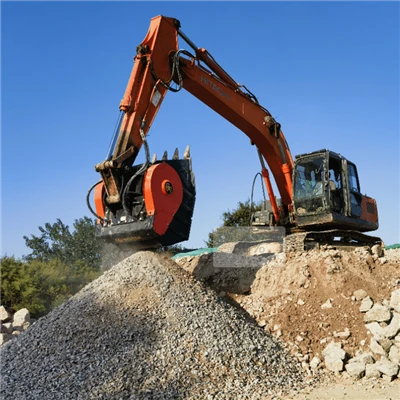
As a provider of Big Jaw Crushers, I've witnessed firsthand the critical role that proper foundation design plays in the efficient and safe operation of these powerful machines. A Big Jaw Crusher is a staple in the mining, quarrying, and construction industries, designed to break down large rocks and materials into smaller, more manageable sizes. However, without a well-designed foundation, the crusher's performance can be severely compromised, leading to increased maintenance costs, reduced productivity, and even safety hazards. In this blog post, I'll delve into the key foundation design requirements for a Big Jaw Crusher, sharing insights based on my years of experience in the industry.
Load-Bearing Capacity
One of the primary considerations in foundation design for a Big Jaw Crusher is the load-bearing capacity. These crushers are heavy pieces of equipment, and they generate significant dynamic forces during operation. The foundation must be able to support the static weight of the crusher, as well as the additional loads caused by the crushing process.
To determine the required load-bearing capacity, it's essential to consider the weight of the crusher itself, including all its components such as the frame, motor, and flywheels. Additionally, the dynamic forces generated by the crushing action, which can be several times the static weight, must be factored in. Geotechnical investigations are typically conducted to assess the soil's bearing capacity at the installation site. Based on these findings, the foundation can be designed to ensure that it can safely support the loads without excessive settlement or failure.
Vibration Isolation
Big Jaw Crushers generate substantial vibrations during operation, which can have a detrimental impact on the surrounding structures and equipment if not properly managed. Vibration isolation is, therefore, a crucial aspect of foundation design.
The foundation should be designed to absorb and dampen the vibrations produced by the crusher. This can be achieved through the use of vibration isolation pads or mounts. These materials are typically made of rubber or other elastomeric compounds, which have excellent vibration-damping properties. By installing the crusher on vibration isolation pads, the vibrations are isolated from the foundation and the surrounding structures, reducing the risk of damage and improving the overall stability of the equipment.
Leveling and Alignment
Proper leveling and alignment of the Big Jaw Crusher are essential for its efficient and safe operation. The foundation must be designed to provide a flat and level surface for the crusher to be installed on. Any unevenness in the foundation can cause the crusher to operate at an angle, leading to increased wear and tear on the components, reduced crushing efficiency, and potential safety issues.
During the installation process, precise leveling and alignment tools should be used to ensure that the crusher is positioned correctly. Laser levels and alignment sensors can be used to measure and adjust the crusher's position, ensuring that it is perfectly level and aligned with the feeding and discharging equipment. This not only improves the crusher's performance but also extends its service life.
Durability and Resistance
The foundation for a Big Jaw Crusher must be durable and resistant to the harsh operating conditions typically encountered in the mining and construction industries. It should be able to withstand the effects of weather, moisture, and chemical exposure, as well as the mechanical stresses caused by the crusher's operation.


Concrete is a commonly used material for crusher foundations due to its high strength, durability, and resistance to environmental factors. The concrete mix should be carefully designed to meet the specific requirements of the project, taking into account factors such as the load-bearing capacity, vibration isolation, and chemical resistance. Reinforcement bars can also be added to the concrete to enhance its strength and prevent cracking.
Accessibility for Maintenance
Maintenance is an essential part of keeping a Big Jaw Crusher in optimal condition. The foundation design should allow for easy access to all parts of the crusher for inspection, repair, and replacement of components.
There should be sufficient space around the crusher to accommodate maintenance equipment and personnel. Additionally, the foundation should be designed to allow for the removal and installation of large components, such as the jaw plates and flywheels. This may require the incorporation of lifting points or access hatches in the foundation design.
Compatibility with Surrounding Equipment
A Big Jaw Crusher is often part of a larger processing system, and its foundation design must be compatible with the surrounding equipment. This includes the feeding and discharging conveyors, as well as any other auxiliary equipment.
The foundation should be designed to ensure that the crusher is properly aligned with the feeding and discharging equipment, allowing for smooth and efficient material flow. It should also provide adequate support for the conveyors and other equipment, preventing any misalignment or movement that could affect the overall performance of the system.
Environmental Considerations
In today's environmentally conscious world, it's important to consider the environmental impact of the foundation design for a Big Jaw Crusher. The foundation should be designed to minimize the disturbance to the surrounding environment, including the soil, water, and air.
This may involve using sustainable construction materials, such as recycled concrete or geosynthetics, and implementing erosion control measures during the construction process. Additionally, the foundation design should be optimized to reduce energy consumption and noise pollution, making it more environmentally friendly.
Conclusion
In conclusion, the foundation design for a Big Jaw Crusher is a complex and critical process that requires careful consideration of multiple factors. As a supplier of Big Jaw Crushers, I understand the importance of ensuring that our customers have a solid foundation for their equipment. By meeting the load-bearing capacity requirements, implementing effective vibration isolation, ensuring proper leveling and alignment, using durable and resistant materials, providing accessibility for maintenance, ensuring compatibility with surrounding equipment, and considering environmental factors, we can help our customers achieve optimal performance and longevity from their crushers.
If you're in the market for a Big Jaw Crusher or need advice on foundation design, I encourage you to [contact us for a consultation]. Our team of experts is ready to assist you in finding the right solution for your specific needs. Whether you're involved in mining, quarrying, or construction, we have the knowledge and experience to help you make the most of your investment in a Big Jaw Crusher.
References
- "Crushing Equipment Handbook" by Mineral Processing and Extractive Metallurgy
- "Foundation Design and Construction" by Foundation Engineering Manual
Note: The text "[contact us for a consultation]" is a placeholder. You should replace it with the appropriate way for customers to reach out to your business in real - world scenarios. Also, the links are inserted as follows:
If you're also interested in other crusher - related products, you can explore our [Digger Crusher Bucket](/crusher - bucket/digger - crusher - bucket.html), [Excavator Jaw Bucket](/crusher - bucket/excavator - jaw - bucket - factory.html), and [Concrete Crusher Bucket](/crusher - bucket/concrete - crusher - bucket - factory.html).