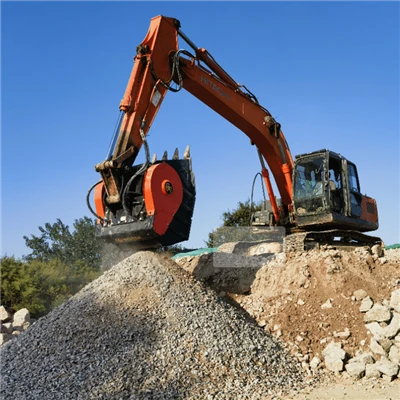
Hey there! As a supplier of Mass Soil Mixing, I often get asked about the cost associated with this process. So, let's dive right in and break down what goes into the cost of Mass Soil Mixing.
Understanding Mass Soil Mixing
First off, for those who aren't familiar, Mass Soil Mixing is a technique used to improve the engineering properties of soil. It involves blending in additives like cement, lime, or other binders to enhance soil strength, reduce compressibility, and increase durability. This method is widely used in construction projects, including building foundations, roadways, and landfill liners.
Factors Affecting the Cost
1. Soil Type
The type of soil you're dealing with plays a huge role in the cost. Different soils have different characteristics, and some are more challenging to mix than others. For example, clayey soils tend to be more cohesive and may require more energy and additives to achieve the desired mixing and stabilization. On the other hand, sandy soils are generally easier to work with but may still need specific additives to improve their strength.
2. Project Size
The size of the project is another major factor. Larger projects usually benefit from economies of scale. When you're doing a small - scale project, the setup costs, such as mobilizing equipment and crew, are a relatively large portion of the total cost. But for large - scale projects, these fixed costs can be spread over a larger area, reducing the cost per unit volume of soil mixed.
3. Additives
The choice of additives is crucial. Cement is a commonly used additive, but it can vary in price depending on the type and quality. Lime is another option, which may be more cost - effective in some cases. There are also specialized additives available, like Soil Improvement Products, which can offer unique benefits but may come at a higher price. The amount of additives needed also depends on the soil properties and the desired engineering characteristics.
4. Equipment
The equipment used for Mass Soil Mixing is a significant cost factor. You need specialized machinery, such as Soil Mixing Tool and Soil Stabilization Equipment. These machines need to be purchased, maintained, and operated. The cost of equipment rental or ownership, fuel consumption, and maintenance all contribute to the overall cost.
5. Labor
Skilled labor is essential for a successful Mass Soil Mixing project. The crew needs to operate the equipment, monitor the mixing process, and ensure that the project meets the required standards. Labor costs can vary depending on the region, the level of expertise required, and the duration of the project.
Cost Breakdown Example
Let's take a look at a simple cost breakdown for a medium - sized construction project.
Suppose we have a project that involves mixing 10,000 cubic meters of soil.
- Additives: If we use cement as an additive, and we need about 100 kilograms of cement per cubic meter of soil. Assuming the cost of cement is $0.5 per kilogram, the cost of cement alone would be 10,000 x 100 x $0.5 = $500,000.
- Equipment: Renting the necessary Soil Stabilization Equipment for the duration of the project might cost around $100,000. This includes the cost of fuel and minor maintenance.
- Labor: Hiring a crew of 10 workers for the project, with an average daily wage of $200 per worker for a 30 - day project, would cost 10 x $200 x 30 = $60,000.
- Setup and Mobilization: There are additional costs for setting up the site, transporting equipment, and getting all the necessary permits. Let's say this amounts to $40,000.
The total cost for this project would be approximately $500,000 + $100,000+ $60,000 + $40,000 = $700,000. So, the cost per cubic meter of soil mixed is about $70.
Cost - Saving Strategies
If you're looking to reduce the cost of Mass Soil Mixing, here are some strategies:
- Optimize Additive Use: Work with a geotechnical engineer to determine the minimum amount of additives needed to achieve the desired soil properties. This can save a significant amount of money on additive costs.
- Efficient Equipment Use: Make sure the equipment is used efficiently. Proper scheduling and operation can reduce fuel consumption and wear - and - tear on the machines.
- Bulk Purchasing: If possible, buy additives in bulk. This can often get you a better price per unit.
Conclusion
The cost of Mass Soil Mixing is influenced by multiple factors, including soil type, project size, additives, equipment, and labor. By understanding these factors and implementing cost - saving strategies, you can manage the cost of your project more effectively.
If you're planning a project that involves Mass Soil Mixing, I'd love to have a chat with you. We can discuss your specific needs, come up with a customized solution, and provide you with a detailed cost estimate. Don't hesitate to reach out for a procurement discussion and let's work together to make your project a success.


References
- "Soil Mechanics and Foundation Engineering" by V. N. S. Murthy
- Industry reports on soil stabilization and mixing techniques.