What is the corrosion resistance of rock crusher jaws?
As a supplier of Rock Crusher Jaws, I've witnessed firsthand the critical role that corrosion resistance plays in the performance and longevity of these essential components. Rock crusher jaws are subjected to some of the harshest conditions in the mining, quarrying, and construction industries. They are constantly in contact with abrasive materials, water, and various chemicals, which can lead to corrosion if not properly addressed.
Understanding Corrosion in Rock Crusher Jaws
Corrosion is a natural process that occurs when metals react with their environment. In the case of rock crusher jaws, this reaction is often accelerated by the presence of moisture, oxygen, and aggressive chemicals. There are several types of corrosion that can affect rock crusher jaws:


- Uniform corrosion: This is the most common type of corrosion, where the metal surface deteriorates evenly over time. It is typically caused by exposure to moisture and oxygen, and can lead to a gradual loss of material thickness.
- Pitting corrosion: Pitting corrosion occurs when small holes or pits form on the metal surface. These pits can penetrate deep into the metal, weakening the structure and increasing the risk of failure. Pitting corrosion is often caused by the presence of chloride ions, which are commonly found in water and some types of rock.
- Crevice corrosion: Crevice corrosion occurs in areas where there is a small gap or crevice between two metal surfaces. These areas can trap moisture and chemicals, creating an environment that is conducive to corrosion. Crevice corrosion can be particularly problematic in rock crusher jaws, as it can occur at the joints and connections between the jaw plates and the crusher frame.
- Galvanic corrosion: Galvanic corrosion occurs when two different metals are in contact with each other in the presence of an electrolyte, such as water. The more reactive metal will corrode at a faster rate than the less reactive metal, leading to accelerated corrosion of the more reactive metal. Galvanic corrosion can be a problem in rock crusher jaws if different types of metals are used in the construction of the jaw plates or the crusher frame.
Factors Affecting Corrosion Resistance
The corrosion resistance of rock crusher jaws is influenced by several factors, including the type of metal used, the surface finish, and the operating environment.
- Type of metal: The type of metal used in the construction of rock crusher jaws is one of the most important factors affecting their corrosion resistance. Some metals, such as stainless steel and high - alloy steels, are more resistant to corrosion than others. Stainless steel contains chromium, which forms a passive oxide layer on the surface of the metal, protecting it from further corrosion. High - alloy steels may also contain other elements, such as nickel and molybdenum, which can enhance their corrosion resistance.
- Surface finish: The surface finish of rock crusher jaws can also affect their corrosion resistance. A smooth surface finish is less likely to trap moisture and chemicals, reducing the risk of corrosion. Additionally, surface treatments such as coatings and platings can be applied to the jaw plates to provide an additional layer of protection against corrosion.
- Operating environment: The operating environment of rock crusher jaws can have a significant impact on their corrosion resistance. In wet or humid environments, the risk of corrosion is increased due to the presence of moisture. Similarly, in environments where there are high levels of chemicals or abrasive materials, the corrosion rate may be accelerated. For example, in mining operations where the rock contains high levels of sulfur or other corrosive elements, the corrosion resistance of the jaw plates becomes even more critical.
Importance of Corrosion Resistance in Rock Crusher Jaws
The corrosion resistance of rock crusher jaws is of utmost importance for several reasons:
- Performance: Corrosion can cause the jaw plates to lose their shape and integrity, which can lead to a decrease in the crushing efficiency of the rock crusher. As the jaw plates corrode, they may become uneven, resulting in inconsistent crushing and reduced throughput.
- Longevity: Rock crusher jaws are expensive components, and replacing them frequently due to corrosion can be a significant cost for operators. By using jaw plates with high corrosion resistance, the lifespan of the jaws can be extended, reducing the need for frequent replacements and lowering the overall operating costs.
- Safety: Corroded jaw plates can pose a safety risk to operators. If the jaw plates fail due to corrosion, it can lead to unexpected downtime and potential injury to personnel. Ensuring that the jaw plates have good corrosion resistance helps to maintain the safety of the rock crushing operation.
Our Solutions for Corrosion Resistance
As a supplier of Rock Crusher Jaws, we offer a range of solutions to enhance the corrosion resistance of our products:
- High - quality materials: We use high - grade steels and alloys in the manufacturing of our rock crusher jaws. These materials are carefully selected for their excellent mechanical properties and corrosion resistance. For example, our stainless - steel jaw plates are made from a grade of stainless steel that is specifically designed to withstand the harsh conditions of the rock crushing industry.
- Advanced coatings: In addition to using high - quality materials, we also apply advanced coatings to our jaw plates to provide an extra layer of protection against corrosion. These coatings can be tailored to the specific operating environment of the rock crusher, ensuring maximum corrosion resistance.
- Customized designs: We understand that every rock crushing operation is unique, and the corrosion resistance requirements may vary depending on the type of rock, the operating environment, and other factors. That's why we offer customized designs for our rock crusher jaws, allowing us to meet the specific needs of our customers.
Applications and Compatibility
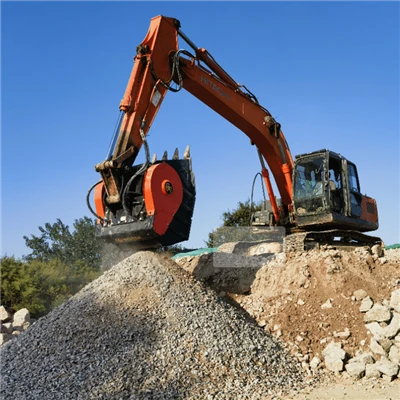
Our corrosion - resistant rock crusher jaws are suitable for a wide range of applications, including mining, quarrying, and construction. They are compatible with various types of rock crushers, including Small Jaw Crushers and Bucket Rock Crushers. Whether you are crushing hard rock, limestone, or other materials, our jaw plates can provide reliable performance and long - lasting corrosion resistance.
Conclusion
In conclusion, the corrosion resistance of rock crusher jaws is a crucial factor that can significantly impact the performance, longevity, and safety of rock crushing operations. As a supplier, we are committed to providing high - quality, corrosion - resistant rock crusher jaws that meet the needs of our customers. By using the latest materials, coatings, and manufacturing techniques, we can ensure that our jaw plates offer superior corrosion resistance and reliable performance in even the most challenging environments.
If you are in the market for rock crusher jaws with excellent corrosion resistance, we invite you to contact us for more information and to discuss your specific requirements. Our team of experts is ready to assist you in finding the right solution for your rock crushing operation.
References
- "Corrosion of Metals in the Mining Industry" - Mining Engineering Journal
- "Materials Selection for High - Wear and Corrosive Environments" - Journal of Materials Science and Technology
- "Advanced Coatings for Metal Protection" - International Journal of Surface Engineering