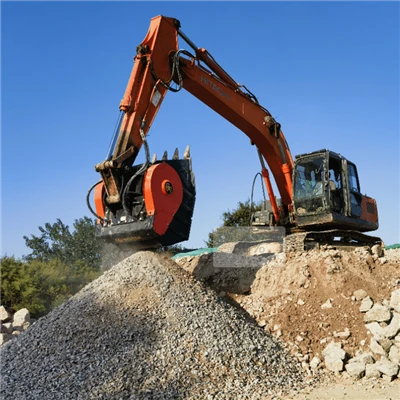
Hey there! As a supplier of Big Jaw Crushers, I've been in the industry for quite some time, and I know how crucial it is to understand the performance indicators when evaluating these machines. So, let's dive right in and talk about what you should look for in a Big Jaw Crusher.
1. Capacity
One of the first things you'll want to consider is the crusher's capacity. This refers to the amount of material the crusher can process within a given time frame, usually measured in tons per hour (t/h). A higher capacity means you can get more work done in less time, which is great for large - scale operations.
For instance, if you're working on a big construction project where you need to crush a large volume of rocks or concrete every day, a crusher with a high capacity is a must. But keep in mind that the actual capacity can be affected by factors like the hardness of the material, the size of the feed, and the setting of the crusher.
2. Reduction Ratio
The reduction ratio is another important performance indicator. It's the ratio of the size of the input material to the size of the output material. A high reduction ratio means the crusher can break down large pieces of material into much smaller ones in a single pass.
Let's say you have big chunks of rock that are, say, 12 inches in diameter, and you want them crushed down to 2 - inch pieces. A crusher with a good reduction ratio will be able to achieve this efficiently. This not only saves time but also reduces the need for additional crushing stages.
3. Particle Shape
The shape of the crushed particles matters too. In many applications, such as in the production of concrete or asphalt, you want well - shaped particles. Cubical - shaped particles are generally preferred because they provide better packing density and strength in the final product.
A Big Jaw Crusher that can produce a high percentage of cubical particles is a great asset. It can improve the quality of the end - product and potentially increase its market value.
4. Power Consumption
Power consumption is a significant factor, especially in the long run. A crusher that consumes less power while still delivering good performance can save you a lot of money on energy costs.
When evaluating a Big Jaw Crusher, look at its power rating and how it compares to other models in the market. Some crushers are designed with energy - efficient features, such as advanced motor technology or optimized crushing chambers, which can help reduce power consumption without sacrificing performance.
5. Wear Resistance
The parts of a Big Jaw Crusher are subjected to a lot of wear and tear, especially the jaws. Wear resistance is crucial because it determines how long the parts will last before they need to be replaced.
Crushers with high - quality, wear - resistant materials for the jaws and other critical components will have a longer service life. This means less downtime for maintenance and replacement, which can keep your operations running smoothly.
6. Ease of Maintenance
Maintenance is an inevitable part of owning a Big Jaw Crusher. A machine that is easy to maintain can save you a lot of time and money. Look for crushers that have accessible parts, clear maintenance instructions, and readily available replacement parts.
For example, some crushers are designed with quick - change jaw systems, which allow you to replace the jaws quickly and easily. This can significantly reduce the time spent on maintenance and get your crusher back up and running faster.
7. Safety Features
Safety should always be a top priority. A Big Jaw Crusher should be equipped with adequate safety features to protect the operators and prevent accidents.
Features like safety guards, emergency stop buttons, and overload protection are essential. These features not only protect the people working around the crusher but also prevent damage to the machine itself in case of unexpected situations.
8. Noise and Dust Emissions
In today's environmentally - conscious world, noise and dust emissions are important considerations. A crusher that produces less noise and dust is more environmentally friendly and can also improve the working conditions for the operators.
Some crushers are designed with advanced noise - reduction and dust - control systems. These systems can help reduce the impact of the crusher on the surrounding environment and the health of the workers.
9. Compatibility with Other Equipment
If you're using the Big Jaw Crusher as part of a larger crushing and screening plant, its compatibility with other equipment is crucial. It should be able to integrate seamlessly with conveyors, screens, and other machinery.
For example, the discharge size of the crusher should be compatible with the input requirements of the next machine in the process. This ensures a smooth and efficient flow of material through the entire plant.


10. Cost - effectiveness
Finally, cost - effectiveness is a major factor. You need to consider not only the initial purchase price of the crusher but also its operating costs, maintenance costs, and the expected lifespan.
A more expensive crusher may offer better performance and longer service life, which can result in lower overall costs in the long run. On the other hand, a cheaper crusher may seem like a good deal at first, but it could end up costing you more in terms of maintenance and replacement parts.
As a Big Jaw Crusher supplier, I can tell you that we take all these performance indicators into account when designing and manufacturing our crushers. We strive to provide machines that offer the best combination of capacity, reduction ratio, particle shape, and other important features.
If you're in the market for a Big Jaw Crusher, I encourage you to check out our Rock Crusher Excavator Bucket, Jaw Crusher for Excavator, and Concrete Crusher Bucket. These products are designed to meet the highest standards of performance and reliability.
If you have any questions or want to discuss your specific requirements, feel free to reach out. We're here to help you find the perfect Big Jaw Crusher for your needs. Let's start a conversation and see how we can work together to make your crushing operations more efficient and profitable.
References
- ASTM International. (20XX). Standard Test Methods for Aggregates.
- Machinery's Handbook. (20XX). Industrial Press Inc.
- Various industry reports on crushing equipment performance.