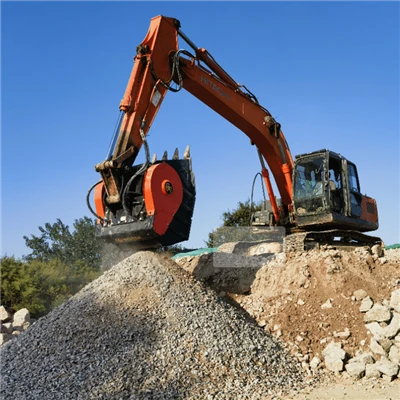
Soil screening buckets are essential tools in various industries, including construction, landscaping, and agriculture. As a leading supplier of soil screening buckets, I have in - depth knowledge of their main components. Understanding these components is crucial for users to make informed decisions when purchasing and using these products.
Frame Structure
The frame is the backbone of a soil screening bucket. It provides the overall structure and support for all other components. Usually made of high - strength steel, the frame is designed to withstand heavy loads and harsh working conditions.
High - strength steel is chosen for its excellent durability and resistance to wear and tear. During the screening process, the bucket is constantly subjected to the impact of soil, rocks, and other debris. A well - constructed frame ensures that the bucket maintains its shape and integrity over time.
The design of the frame also affects the bucket's functionality. It is engineered to optimize the movement of the screening elements and the flow of material through the bucket. For example, a properly designed frame allows for easy attachment to different types of machinery, such as excavators or loaders. This compatibility is important as it enables users to use the soil screening bucket with their existing equipment, saving both time and money.
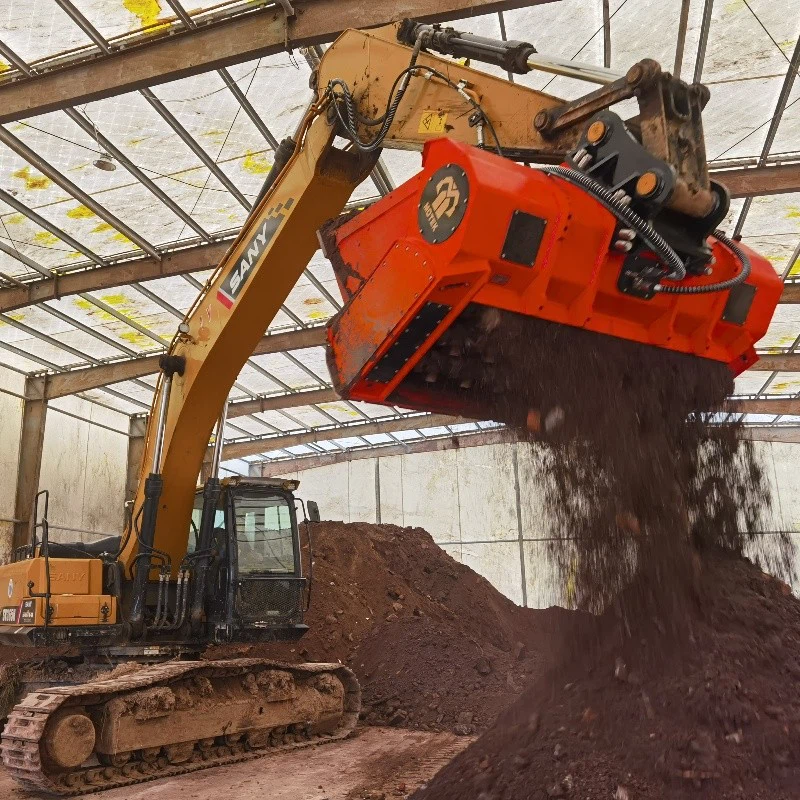

Screening Elements
The screening elements are the heart of the soil screening bucket. Their main function is to separate different sizes of materials in the soil. There are several types of screening elements, including meshes, bars, and tines.
Meshes
Mesh screening elements are made of woven wire or perforated metal sheets. They are commonly used for fine screening, where the goal is to separate small particles from larger ones. The size of the mesh openings determines the size of the particles that can pass through. For example, a fine - mesh screen can be used to separate topsoil from gravel and stones. When you need a Topsoil Screening Bucket, a well - designed mesh screen is essential to achieve the desired level of soil refinement.
Bars
Bar screening elements consist of parallel bars with specific gaps between them. They are suitable for screening larger materials and are more robust than mesh screens. Bars can handle the impact of heavy rocks and debris without getting damaged easily. They are often used in applications where the soil contains a lot of large stones or roots.
Tines
Tines are long, pointed rods that are used to break up clumps of soil and separate materials. They are particularly effective in loosening compacted soil and removing large chunks. Tines can be adjusted in terms of their spacing and length to suit different screening requirements.
Hydraulic System
Many modern soil screening buckets are equipped with a hydraulic system. The hydraulic system plays a vital role in the operation of the bucket. It provides the power needed to drive the movement of the screening elements.
The hydraulic cylinders in the system can control the opening and closing of the bucket, as well as the movement of the screening elements. For example, they can be used to adjust the angle of the screening elements to optimize the screening process. The hydraulic system also allows for quick and easy changes in the screening operation, such as increasing or decreasing the speed of the screening elements.
A reliable hydraulic system is crucial for the efficient and smooth operation of the soil screening bucket. It ensures that the bucket can perform its tasks effectively, even in challenging working environments. When choosing a Screening Bucket Attachment, pay close attention to the quality and performance of the hydraulic system.
Wear - Resistant Parts
Since soil screening buckets are constantly in contact with abrasive materials, wear - resistant parts are essential. These parts are designed to protect the main components of the bucket from excessive wear and damage.
Some common wear - resistant parts include replaceable cutting edges, liners, and guards. Replaceable cutting edges are located at the front of the bucket and are used to dig into the soil. They can be easily replaced when they become worn out, extending the lifespan of the bucket. Liners are installed inside the bucket to protect the frame and screening elements from the abrasive action of the soil. Guards are used to protect the hydraulic system and other sensitive components from damage caused by flying debris.
Attachment Mechanism
The attachment mechanism is what allows the soil screening bucket to be connected to the machinery, such as an excavator or a loader. A proper attachment mechanism ensures a secure and stable connection between the bucket and the machine.
There are different types of attachment mechanisms, including quick - hitch systems. Quick - hitch systems are very popular because they allow for fast and easy attachment and detachment of the bucket. This feature is especially useful when you need to switch between different attachments on the same machine. When looking for a Screener Bucket for Excavator, make sure the attachment mechanism is compatible with your excavator model.
Other Components
In addition to the main components mentioned above, there are also some other components that contribute to the overall performance of the soil screening bucket.
Grease Fittings
Grease fittings are used to lubricate the moving parts of the bucket. Regular lubrication is necessary to reduce friction and wear, ensuring smooth operation and prolonging the lifespan of the components.
Control Valves
Control valves are used to regulate the flow of hydraulic fluid in the system. They allow the operator to control the speed and direction of the movement of the screening elements and other hydraulic functions.
As a soil screening bucket supplier, I am committed to providing high - quality products with all these well - designed components. If you are in the market for a soil screening bucket, whether it is for construction, landscaping, or agriculture, we have the right solution for you. Our products are designed to meet the diverse needs of our customers and provide reliable performance in various working conditions.
If you are interested in learning more about our soil screening buckets or would like to discuss your specific requirements, please feel free to contact us. We are more than happy to assist you in finding the perfect soil screening bucket for your project.
References
- "Construction Equipment Handbook", McGraw - Hill Professional
- "Landscaping and Earthmoving Equipment Guide", Wiley Publishing