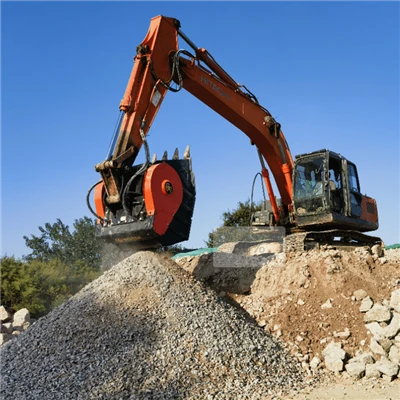
Storing an excavator jaw bucket properly when it's not in use is crucial for maintaining its performance, extending its lifespan, and ensuring safety. As a reputable excavator jaw bucket supplier, we understand the significance of proper storage and are here to share some valuable insights with you.
1. Cleaning the Excavator Jaw Bucket
Before storing the excavator jaw bucket, a thorough cleaning is essential. Over time, dirt, debris, and residues from the materials being crushed can accumulate on the bucket. This buildup can not only cause corrosion but also affect the bucket's functionality.
Start by using a high - pressure water jet to remove loose dirt and debris. Pay special attention to the areas between the jaws, as these are prone to material buildup. For stubborn residues, you may need to use appropriate cleaning agents. Make sure to follow the manufacturer's instructions when using any cleaning chemicals to avoid damaging the bucket's surface.
After cleaning, dry the bucket completely. Moisture can lead to rust and corrosion, which can significantly reduce the bucket's lifespan. You can use compressed air to blow out any remaining water from hard - to - reach areas.
2. Inspecting for Damage
Once the bucket is clean and dry, conduct a detailed inspection. Check for any signs of wear and tear, such as cracks, chips, or excessive abrasion on the jaws. Inspect the hydraulic hoses and connections for leaks, cuts, or other damages.
If you notice any minor damage, it's advisable to repair it before storage. For example, small cracks can be welded, and worn - out parts can be replaced. This proactive approach can prevent further damage during storage and ensure that the bucket is ready for use when needed.
3. Choosing the Right Storage Location
The storage location plays a vital role in preserving the excavator jaw bucket. Ideally, the storage area should be dry, well - ventilated, and protected from the elements. A covered shed or a warehouse is an excellent choice.
Avoid storing the bucket in areas prone to flooding or where it can be exposed to direct sunlight for extended periods. Sunlight can cause the rubber components, such as seals and gaskets, to deteriorate over time.
If outdoor storage is unavoidable, use a high - quality waterproof cover to protect the bucket from rain, snow, and UV rays. Make sure the cover fits snugly and is secured properly to prevent it from being blown off by strong winds.
4. Positioning the Bucket
When storing the excavator jaw bucket, position it in a stable and secure manner. Place it on a flat and level surface to prevent any unnecessary stress on the bucket's structure. If possible, use stands or blocks to elevate the bucket slightly off the ground. This helps to prevent corrosion by reducing contact with moisture and dirt on the ground.


Keep the jaws of the bucket in a slightly open position. This relieves the pressure on the hydraulic cylinders and other components, preventing them from developing internal stresses during storage.
5. Lubrication
Proper lubrication is essential for maintaining the moving parts of the excavator jaw bucket. Before storage, apply a suitable lubricant to all the pivot points, bearings, and other moving components. This helps to prevent rust and ensures smooth operation when the bucket is put back into use.
Refer to the manufacturer's recommendations for the type of lubricant to use and the frequency of application. Different components may require different types of lubricants, so it's important to use the right ones.
6. Protecting Hydraulic Components
The hydraulic system of the excavator jaw bucket is a critical part of its operation. To protect the hydraulic components during storage, cap the hydraulic ports to prevent dirt and debris from entering.
If the bucket has been sitting for an extended period, it's a good idea to run the hydraulic system briefly before putting it back into full - scale operation. This helps to circulate the hydraulic fluid and ensure that all the components are functioning properly.
7. Documentation and Inventory
Maintain detailed documentation of the stored excavator jaw bucket. Keep records of the cleaning, inspection, and maintenance activities performed before storage. Include information such as the date of storage, the condition of the bucket, and any repairs or replacements made.
Create an inventory system to keep track of all the stored buckets. This makes it easier to locate a specific bucket when needed and helps in managing the overall inventory of your equipment.
8. Regular Checks During Storage
Even when the excavator jaw bucket is in storage, it's important to conduct regular checks. Visit the storage area at least once a month to inspect the bucket's condition. Check for any signs of corrosion, damage, or other issues that may have developed during storage.
If you notice any problems, address them immediately. For example, if you find a small amount of rust, clean it off and apply a rust - preventive coating.
9. Preparing for Re - use
When you're ready to use the excavator jaw bucket again, there are a few steps to take. First, remove the cover if it was used for outdoor storage. Inspect the bucket once more to ensure that it's still in good condition.
Check the hydraulic fluid levels and top up if necessary. Run the hydraulic system for a few minutes to warm up the fluid and ensure that all the components are working smoothly.
If you're looking for high - quality excavator jaw buckets or related products, we offer a wide range of options. Our Small Jaw Crushers are designed for efficient and reliable performance. The Crusher Bucket Attachment can be easily installed on your excavator, enhancing its functionality. And our Jaw Rock Crusher is built to handle tough rock - crushing tasks.
If you're interested in our products or have any questions about excavator jaw bucket storage or usage, we encourage you to contact us for a detailed discussion. Our team of experts is always ready to assist you in making the right choice for your construction or mining needs.
References
- Manufacturer's manuals for excavator jaw buckets
- Industry best practices for equipment storage and maintenance