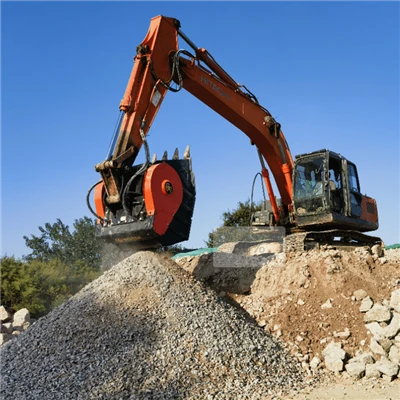
Selecting the right mesh size for a screening bucket is crucial to achieving optimal results in various construction, landscaping, and waste management projects. As a supplier of Best Screening Buckets, I've seen firsthand how the right mesh size can make a huge difference in efficiency and the quality of the end product. In this blog post, I'll share some insights on how to choose the best mesh size for your specific needs.
Understanding the Basics of Mesh Sizes
First off, let's talk about what mesh size actually means. Mesh size refers to the dimensions of the openings in the screening bucket's mesh. These openings determine the size of the material that will pass through the screen. Mesh sizes are typically measured in millimeters or inches, representing the length of one side of a square opening in the mesh.
For example, a 10mm mesh size means that the openings in the mesh are squares with each side measuring 10mm. Any material smaller than 10mm will pass through the screen, while larger particles will be retained.
Factors to Consider When Selecting Mesh Size
Type of Material
The type of material you're screening is one of the most important factors in choosing the right mesh size. Different materials have different properties, such as particle shape, size distribution, and moisture content, which can affect the screening process.
- Soil and Sand: When screening soil or sand, you'll want to choose a mesh size that separates the desired particle sizes. For general landscaping purposes, a mesh size of 10 - 20mm might be suitable for removing large rocks and debris from topsoil. If you're looking to create a finer soil mix for gardening, a smaller mesh size of 5 - 10mm could be more appropriate. Check out our Soil Screening Bucket for more options tailored to soil screening.
- Recycled Materials: Recycling construction and demolition waste often involves screening materials like concrete, brick, and asphalt. Depending on the intended use of the recycled material, you may need a coarser or finer mesh size. For example, if you're producing recycled aggregate for road base, a 20 - 50mm mesh size might be ideal. On the other hand, if you're creating a fine recycled material for use in concrete production, a smaller mesh size of 5 - 10mm could be necessary. Our Soil Screener Bucket can handle a variety of recycled materials effectively.
- Organic Matter: Screening organic materials such as compost or mulch requires a mesh size that allows for the separation of fine particles while retaining larger chunks. A mesh size of 10 - 20mm is commonly used for compost screening to remove un-decomposed materials and create a uniform product.
Project Requirements
The specific requirements of your project will also influence your choice of mesh size. Consider the following aspects:
- End Use of the Screened Material: Think about what you'll be using the screened material for. If it's for a construction project, you may need a specific particle size range to meet engineering specifications. For example, if you're using the screened material as a backfill, a coarser mesh size might be acceptable. However, if it's for a decorative purpose, such as a gravel pathway, a finer and more uniform mesh size will be required.
- Production Rate: The desired production rate of your screening operation is another important consideration. A larger mesh size generally allows for a higher production rate because more material can pass through the screen in a shorter period. However, if you need a very fine and precise screening, a smaller mesh size may be necessary, even though it will slow down the process.
Equipment Compatibility
It's essential to ensure that the mesh size you choose is compatible with your screening bucket and the equipment it's attached to. The screening bucket's design and the capacity of your excavator or loader can affect the performance of different mesh sizes.
- Bucket Design: Some screening buckets are designed to work best with certain mesh sizes. For example, a bucket with a more open design may be better suited for larger mesh sizes, while a bucket with a more enclosed structure can handle smaller mesh sizes more effectively.
- Equipment Capacity: Your excavator or loader's lifting capacity and power output will also play a role. Using a mesh size that is too small for your equipment can put excessive strain on the machine, leading to reduced efficiency and potential damage.
Testing Different Mesh Sizes
One of the best ways to determine the right mesh size for your project is to conduct tests with different mesh sizes. You can borrow or rent screening buckets with various mesh sizes and try them out on a small scale. This will give you a hands - on understanding of how each mesh size performs with your specific material and equipment.
During the testing process, pay attention to the following:


- Screening Efficiency: Observe how well the material passes through the screen and how effectively it separates the different particle sizes. A good mesh size should allow for a high percentage of the desired material to pass through while retaining the unwanted particles.
- Production Rate: Measure the amount of material screened per unit of time. This will help you determine if the mesh size is allowing for an acceptable production rate for your project.
- Quality of the Screened Material: Inspect the quality of the screened material. Make sure it meets your project requirements in terms of particle size distribution, cleanliness, and uniformity.
Common Mesh Sizes and Their Applications
Here are some common mesh sizes and their typical applications:
- 5mm Mesh: This very fine mesh is ideal for screening materials like fine sand, compost, and small - sized recycled aggregates. It's often used in applications where a high - quality, uniform product is required, such as in gardening and decorative landscaping.
- 10mm Mesh: A popular choice for general soil screening, this mesh size can remove medium - sized rocks, roots, and debris from soil. It's also suitable for screening recycled materials for some construction applications.
- 20mm Mesh: This is a versatile mesh size that can be used for a wide range of materials, including soil, sand, and larger recycled aggregates. It's commonly used in construction projects for separating materials for backfill, road base, and drainage layers.
- 50mm Mesh: A coarser mesh size, 50mm is typically used for screening large - sized materials such as concrete rubble, large rocks, and demolition waste. It's useful for quickly separating the large chunks from the finer material.
Conclusion
Selecting the right mesh size for your Best Screening Bucket is a decision that should be based on a careful consideration of the type of material, project requirements, and equipment compatibility. By understanding the basics of mesh sizes and conducting tests, you can ensure that you choose the mesh size that will give you the best results in terms of screening efficiency, production rate, and the quality of the screened material.
If you're still unsure about which mesh size is right for your project, or if you're interested in purchasing a screening bucket, feel free to reach out. We're here to help you make the best choice for your needs. As a trusted supplier of Digger Screening Bucket, we have a wide range of options to suit different applications. Contact us today to start the conversation about your screening requirements.
References
- Construction Materials Handbook: A Guide to Selection and Specifications
- Screening Equipment Manufacturer's Manuals
- Industry Best Practices for Material Screening in Construction and Landscaping