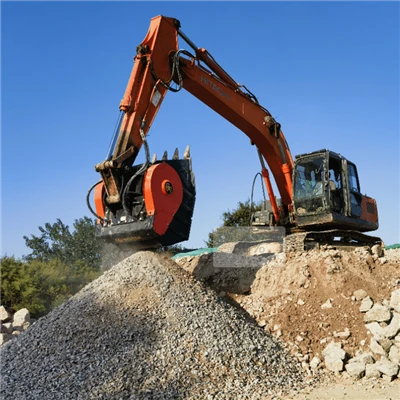
Selecting the right belt for a large jaw crusher is a crucial decision that significantly impacts the machine's performance, longevity, and overall operational efficiency. As a prominent supplier of Large Jaw Crusher, I understand the complexities associated with this task. In this blog, I will share valuable insights and practical tips to help you make an informed choice when it comes to belts for your large jaw crusher.
Understanding the Role of Belts in a Large Jaw Crusher
Belts play a vital role in the operation of a large jaw crusher. They are responsible for transmitting power from the motor to the crusher's flywheel, enabling the crushing action. A well - selected belt ensures smooth power transmission, reduces energy loss, and minimizes wear and tear on the crusher components. Moreover, the right belt can enhance the crusher's reliability, reducing downtime and maintenance costs.
Factors to Consider When Selecting a Belt
1. Power Requirements
The first step in selecting the right belt is to determine the power requirements of your large jaw crusher. This information can usually be found in the crusher's technical specifications. The belt must be able to handle the power output of the motor without slipping or overheating. A belt with insufficient power capacity will wear out quickly and may even cause the crusher to malfunction. On the other hand, an overly large belt can be wasteful and may not fit properly in the pulley system.
2. Belt Type
There are several types of belts available in the market, each with its own advantages and disadvantages. The most common types used in large jaw crushers are V - belts and synchronous belts.
- V - Belts: V - belts are widely used due to their simplicity, reliability, and cost - effectiveness. They have a trapezoidal cross - section that fits into V - shaped pulleys. This design provides high friction, which helps in efficient power transmission. V - belts are also relatively easy to install and replace. However, they may stretch over time and require periodic tension adjustment.
- Synchronous Belts: Synchronous belts, also known as timing belts, have teeth that mesh with corresponding teeth on the pulleys. This design ensures precise power transmission and eliminates slippage. Synchronous belts are ideal for applications where accurate speed and timing are critical. They require less maintenance compared to V - belts as they do not need tension adjustment. However, they are generally more expensive and may require more precise installation.
3. Belt Size
Selecting the correct belt size is essential for proper operation. The size of the belt is determined by its length and width. The length should be such that it fits snugly around the pulleys without being too tight or too loose. A loose belt will slip, reducing power transmission efficiency, while a tight belt can put excessive stress on the bearings and other components. The width of the belt should be compatible with the width of the pulleys. Using a belt with the wrong width can lead to uneven wear and premature failure.
4. Environment and Operating Conditions
The environment in which the large jaw crusher operates also affects the belt selection. If the crusher is used in a dusty or dirty environment, the belt should be resistant to abrasion and contamination. Some belts are designed with special coatings or materials to withstand harsh conditions. Additionally, if the crusher operates in extreme temperatures, the belt should be able to maintain its flexibility and strength. For example, in high - temperature environments, belts made of heat - resistant materials are required.
5. Compatibility with Pulley System
The belt must be compatible with the pulley system of the large jaw crusher. The pulleys should have the correct diameter, groove shape, and alignment. Mismatched pulleys can cause the belt to wear unevenly and reduce its lifespan. It is important to ensure that the pulleys are properly maintained and aligned to prevent premature belt failure.
Tips for Belt Installation and Maintenance
1. Installation
- Proper Alignment: During installation, make sure that the pulleys are properly aligned. Misaligned pulleys can cause the belt to run off - center, leading to uneven wear and possible belt failure. Use alignment tools to ensure that the pulleys are in the correct position.
- Correct Tension: Adjust the belt tension according to the manufacturer's recommendations. A belt that is too loose will slip, while a belt that is too tight can cause excessive stress on the components. Use a tension gauge to measure the belt tension accurately.
2. Maintenance
- Regular Inspection: Regularly inspect the belt for signs of wear, such as cracks, fraying, or glazing. Replace the belt immediately if any significant damage is detected.
- Cleaning: Keep the belt and pulleys clean to prevent the accumulation of dirt and debris. This will help to reduce friction and wear.
- Lubrication: Some belts may require lubrication to reduce friction and extend their lifespan. Follow the manufacturer's guidelines for lubrication.
Our Products and Support
As a leading supplier of Large Jaw Crusher, we offer a wide range of high - quality crushers and related components, including belts. Our belts are carefully selected and tested to ensure compatibility with our crushers and to meet the highest standards of performance and reliability.
We also provide comprehensive support to our customers. Our team of experts can help you select the right belt for your specific crusher model and operating conditions. We can also offer installation and maintenance guidance to ensure that your crusher operates at its best.
If you are in the market for a large jaw crusher or are looking for a replacement belt, Bucket Rock Crusher and Concrete Crusher Bucket for Excavator are also part of our extensive product line.
We invite you to contact us to discuss your specific requirements. Our sales team is ready to assist you in making the right choice for your crushing needs. Whether you need a complete crusher system or just a replacement belt, we are here to help you optimize your operations and achieve the best results.


References
- "Industrial Belt Drives Handbook", published by McGraw - Hill.
- Technical manuals of large jaw crushers from leading manufacturers.
- Industry reports on crusher components and their performance.