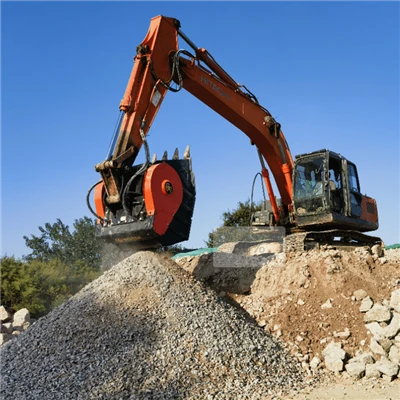
Soil screener buckets are essential tools in various industries, such as construction, landscaping, and mining. Over time, the parts of a soil screener bucket can become worn out due to continuous use and exposure to harsh conditions. As a soil screener bucket supplier, I understand the importance of maintaining these tools to ensure their optimal performance. In this blog post, I will guide you through the process of replacing the worn - out parts of a soil screener bucket.
Identifying Worn - Out Parts
The first step in replacing the worn - out parts of a soil screener bucket is to identify which parts need replacement. Common parts that may wear out include the screening plates, teeth, bearings, and hydraulic hoses.
- Screening Plates: These are the most critical components of a soil screener bucket. They are responsible for separating the soil or other materials based on size. Over time, the holes in the screening plates can become enlarged or the plates can develop cracks, reducing their screening efficiency.
- Teeth: The teeth on the bucket are used to break up and penetrate the soil or other materials. They can become dull or damaged after extended use, which can affect the bucket's ability to dig and screen effectively.
- Bearings: Bearings are used to support the rotating parts of the soil screener bucket. If they are worn out, they can cause excessive noise, vibration, and even failure of the bucket.
- Hydraulic Hoses: Hydraulic hoses are used to transfer hydraulic fluid to the various components of the bucket. They can develop leaks or cracks over time, which can lead to a loss of hydraulic pressure and reduced performance.
Tools and Materials Needed
Before you start replacing the worn - out parts, you need to gather the necessary tools and materials. Here is a list of some common tools and materials you may need:
- Socket wrenches and spanners
- Screwdrivers
- Pliers
- New parts (screening plates, teeth, bearings, hydraulic hoses, etc.)
- Lubricant
- Sealant
Step - by - Step Replacement Process
1. Safety First
Before you begin any work on the soil screener bucket, make sure to follow all safety procedures. Turn off the equipment and disconnect the power source to prevent any accidental start - up. Wear appropriate personal protective equipment (PPE), such as gloves, safety glasses, and hard hats.
2. Removing the Worn - Out Parts
- Screening Plates: First, locate the bolts or fasteners that hold the screening plates in place. Use a socket wrench or spanner to remove these bolts. Carefully lift the worn - out screening plates out of the bucket. Be cautious as the plates may be heavy.
- Teeth: Use a screwdriver or pliers to remove the retaining pins or bolts that hold the teeth in place. Once the retaining devices are removed, pull the worn - out teeth out of their sockets.
- Bearings: In most cases, bearings are located inside the housing of the rotating parts. You may need to use a bearing puller to remove the old bearings. First, remove any covers or shields that are protecting the bearings. Then, attach the bearing puller to the bearing and use it to pull the bearing out.
- Hydraulic Hoses: Before removing the hydraulic hoses, relieve the hydraulic pressure in the system. Use a wrench to loosen the fittings at both ends of the hose. Be prepared for some hydraulic fluid to leak out. Once the fittings are loose, carefully pull the hose out.
3. Inspecting the Bucket
While the worn - out parts are removed, take the opportunity to inspect the rest of the bucket for any signs of damage or wear. Check the bucket's frame for cracks, the welds for integrity, and the housing for any signs of excessive wear. If you find any other issues, address them before installing the new parts.
4. Installing the New Parts
- Screening Plates: Place the new screening plates into the bucket in the same orientation as the old ones. Align the holes in the plates with the holes in the bucket frame. Insert the bolts or fasteners and tighten them securely using a socket wrench or spanner.
- Teeth: Insert the new teeth into their sockets. Make sure they are properly seated. Replace the retaining pins or bolts and tighten them to the recommended torque.
- Bearings: Apply a thin layer of lubricant to the new bearings. Carefully insert the bearings into the housing using a bearing installer or a suitable tool. Make sure the bearings are properly aligned and seated.
- Hydraulic Hoses: Clean the fittings at both ends of the new hydraulic hose. Apply a small amount of sealant to the threads of the fittings. Connect the hose to the appropriate ports on the bucket and the hydraulic system. Tighten the fittings using a wrench, but be careful not to over - tighten them.
5. Testing the Bucket
Once all the new parts are installed, it's time to test the soil screener bucket. Reconnect the power source and start the equipment. Operate the bucket through its normal range of motion to check for any abnormal noises, vibrations, or leaks. If everything seems to be working properly, you can start using the bucket again.
Different Types of Soil Screener Buckets
There are several types of soil screener buckets available in the market, each designed for specific applications. For example, the Asphalt Screening Bucket is specifically designed for screening asphalt materials. It has a unique design that allows it to effectively separate different sizes of asphalt particles.
The Mineral Screening Bucket is used in the mining industry to screen minerals. It is built to withstand the harsh conditions and heavy - duty use associated with mining operations.


The Topsoil Screening Bucket is ideal for landscaping and gardening applications. It can quickly and efficiently screen topsoil, removing rocks, roots, and other debris.
Conclusion
Replacing the worn - out parts of a soil screener bucket is a relatively straightforward process if you follow the proper steps. By regularly maintaining and replacing worn - out parts, you can extend the lifespan of your soil screener bucket and ensure its optimal performance.
If you are in need of high - quality soil screener buckets or replacement parts, we are here to help. As a professional soil screener bucket supplier, we offer a wide range of products to meet your specific needs. Whether you need an asphalt screening bucket, a mineral screening bucket, or a topsoil screening bucket, we have the right solution for you. Contact us today to discuss your requirements and start a procurement negotiation.
References
- Construction Equipment Maintenance Manuals
- Manufacturer's Guidelines for Soil Screener Buckets