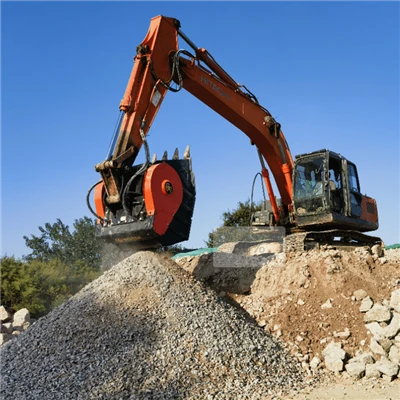
As a trusted supplier of Jaw Rock Crushers, we understand the importance of keeping your equipment running smoothly and efficiently. One of the most common issues that operators face is the blockage of the crusher. A blocked crusher not only disrupts the work process but also can lead to serious damage to the machine if not addressed promptly. In this blog, we will share some practical tips on how to prevent the blockage of a Jaw Rock Crusher.

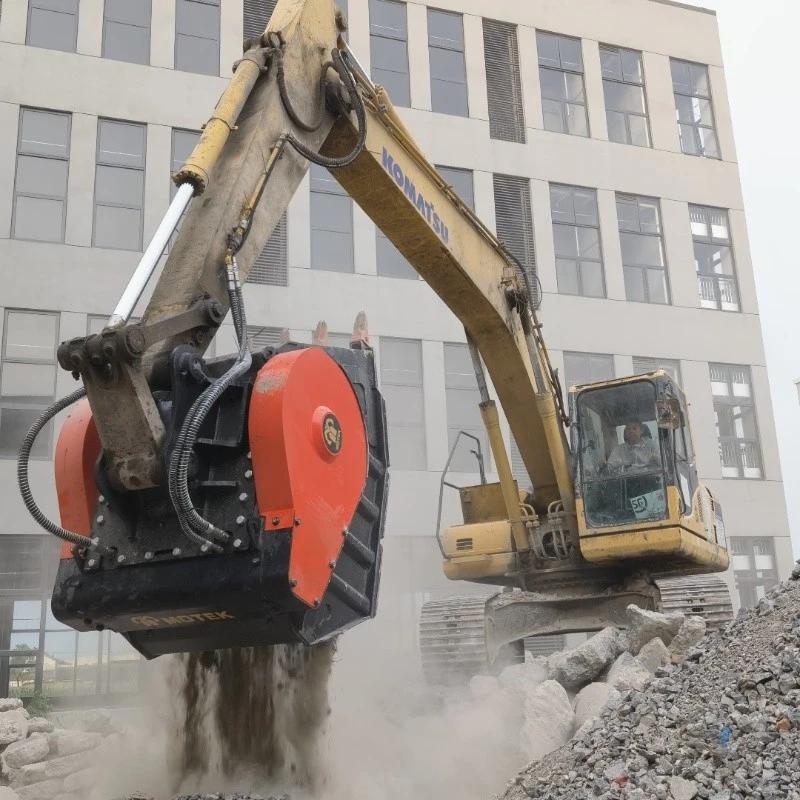
1. Select the Right Feed Material
- Size of Feed Material: The size of the rocks or materials fed into the Jaw Rock Crusher is crucial. If the feed material is too large, it can get stuck in the crushing chamber, causing a blockage. Before feeding the material into the crusher, make sure to screen it to remove any oversized pieces. Most Jaw Rock Crushers have a recommended maximum feed size. For example, if the crusher's maximum feed size is 200mm, any materials larger than this should be pre - crushed or removed.
- Nature of Feed Material: The hardness and abrasiveness of the feed material also matter. Some rocks, like granite, are very hard, while others, such as limestone, are relatively softer. Harder materials may require more powerful crushers or a different crushing approach. Additionally, materials with high moisture content can clump together and cause blockages. Try to dry the feed material if it has excessive moisture.
2. Adjust the Crusher Settings Correctly
- Closed - Side Setting (CSS): The CSS is the smallest distance between the two jaws of the crusher when they come together. If the CSS is set too small, the crusher may try to crush the material into a very fine size, which can increase the risk of blockage, especially if the feed rate is too high. On the other hand, if the CSS is set too large, the product size may not meet the requirements. Consult the crusher's manual to determine the appropriate CSS for the type and size of the feed material you are using.
- Speed of the Crusher: The rotational speed of the crusher's flywheel affects the crushing efficiency and the risk of blockage. A higher speed can increase the throughput of the crusher but may also cause more wear and tear and a higher chance of blockage if the feed material is not properly managed. Adjust the speed according to the characteristics of the feed material and the desired output.
3. Control the Feed Rate
- Uniform Feeding: It is essential to feed the material into the crusher at a uniform rate. A sudden influx of a large amount of material can overwhelm the crusher and lead to blockage. Use a reliable feeding device, such as a vibrating feeder, to ensure a steady and even flow of material into the crusher. The feeder can be adjusted to control the rate of feeding based on the crusher's capacity.
- Avoid Overloading: Never exceed the crusher's rated capacity. Overloading the crusher not only increases the risk of blockage but also shortens the lifespan of the machine. If you need to increase the production, consider upgrading to a larger - capacity crusher or using multiple crushers in parallel.
4. Regular Maintenance and Inspection
- Inspect the Jaws: The jaws of the Jaw Rock Crusher are the key components for crushing. Check the jaws regularly for wear and damage. Worn - out jaws may not crush the material effectively, which can increase the likelihood of blockage. Replace the jaws when the wear reaches a certain level. You can measure the wear of the jaws using a specialized tool or follow the manufacturer's recommendations.
- Lubrication: Proper lubrication of the crusher's moving parts is vital for its smooth operation. Lack of lubrication can cause increased friction, which may lead to overheating and eventually blockage. Follow the lubrication schedule specified in the crusher's manual and use the recommended lubricants.
- Check for Foreign Objects: Foreign objects, such as metal pieces or large stones that are not suitable for crushing, can enter the crusher and cause blockage. Install a magnetic separator or a grizzly screen before the crusher to remove these foreign objects. Also, visually inspect the feed material regularly to ensure that no foreign objects are present.
5. Train the Operators
- Proper Operation Skills: Well - trained operators are less likely to cause blockages in the Jaw Rock Crusher. Provide comprehensive training to the operators on how to start, stop, and operate the crusher correctly. They should understand the importance of following the correct procedures, such as adjusting the settings, controlling the feed rate, and performing regular maintenance.
- Emergency Response: Train the operators on how to respond in case of a blockage. They should know how to safely stop the crusher, clear the blockage, and resume the operation. Having a clear emergency response plan can minimize the downtime caused by blockages.
Our Product Range
In addition to Jaw Rock Crushers, we also offer a variety of related products to meet your different crushing needs. You can check out our Skid Steer Crusher, which is a convenient and powerful tool for on - site crushing. Our Excavator Crusher is designed to work with excavators, providing high - efficiency crushing performance. And if you are looking for a jaw crusher specifically for excavators, our Jaw Crusher for Excavator is a great option.
Contact Us for Purchase
If you are interested in purchasing our Jaw Rock Crushers or any of our other products, we are here to provide you with the best solutions. Our team of experts can help you select the right equipment based on your specific requirements and offer professional after - sales service. Don't hesitate to contact us for more information and to start a purchase negotiation.
References
- Manufacturer's manuals of Jaw Rock Crushers
- Industry standards and guidelines for rock crushing equipment
- Technical papers on rock crushing technology