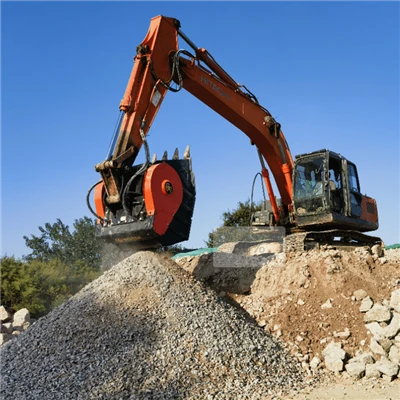
As a trusted supplier of Excavator Jaw Buckets, I understand the critical importance of preventing corrosion in these essential pieces of equipment. Corrosion not only compromises the structural integrity of the jaw bucket but also reduces its efficiency and lifespan, leading to increased maintenance costs and downtime. In this blog post, I will share some practical tips and strategies on how to prevent corrosion of an excavator jaw bucket.
Understanding the Causes of Corrosion
Before delving into prevention methods, it's crucial to understand the factors that contribute to corrosion in excavator jaw buckets. Corrosion is primarily an electrochemical process that occurs when metal comes into contact with an electrolyte, such as water or certain chemicals. In the context of excavator jaw buckets, several factors can accelerate corrosion:
- Exposure to Moisture: Water is one of the primary catalysts for corrosion. When the jaw bucket is exposed to rain, humidity, or submerged in water during operation, it creates an ideal environment for rust to form.
- Contact with Chemicals: Excavator jaw buckets often come into contact with various chemicals, such as soil additives, concrete, and industrial waste. These chemicals can react with the metal surface of the bucket, leading to corrosion.
- Abrasion and Wear: The constant friction and impact during excavation can cause the protective coating on the jaw bucket to wear off, exposing the metal to the elements and increasing the risk of corrosion.
- Poor Maintenance: Neglecting regular cleaning, inspection, and maintenance can allow dirt, debris, and moisture to accumulate on the surface of the jaw bucket, promoting corrosion.
Preventive Measures
Surface Coating
One of the most effective ways to prevent corrosion is to apply a high-quality surface coating to the excavator jaw bucket. A good coating acts as a barrier between the metal and the environment, preventing moisture and chemicals from coming into contact with the surface. Here are some common types of coatings used for excavator jaw buckets:


- Epoxy Coatings: Epoxy coatings are known for their excellent adhesion, chemical resistance, and durability. They provide a tough, protective layer that can withstand harsh operating conditions.
- Polyurethane Coatings: Polyurethane coatings offer good flexibility, abrasion resistance, and UV protection. They are suitable for applications where the jaw bucket is exposed to sunlight and mechanical stress.
- Zinc Coatings: Zinc coatings, such as galvanizing, provide sacrificial protection to the underlying metal. Zinc corrodes preferentially to the base metal, slowing down the corrosion process.
When applying a coating, it's important to ensure that the surface of the jaw bucket is clean, dry, and free of rust and contaminants. Follow the manufacturer's instructions carefully to achieve the best results.
Regular Cleaning and Inspection
Regular cleaning and inspection are essential for preventing corrosion. After each use, thoroughly clean the jaw bucket to remove dirt, debris, and any chemical residues. Use a high-pressure water jet or a mild detergent solution to clean the surface. Pay special attention to hard-to-reach areas, such as crevices and joints, where dirt and moisture can accumulate.
In addition to cleaning, conduct regular inspections to check for signs of corrosion, such as rust spots, pitting, or discoloration. If any damage or corrosion is detected, take immediate action to repair or replace the affected parts.
Proper Storage
Proper storage is crucial for preventing corrosion during periods of inactivity. When the excavator jaw bucket is not in use, store it in a dry, covered area away from direct sunlight and moisture. If possible, elevate the bucket off the ground to prevent contact with standing water.
Before storing the jaw bucket, apply a thin layer of protective oil or grease to the surface to prevent rust formation. This will help to create a barrier between the metal and the environment and slow down the corrosion process.
Use of Corrosion Inhibitors
Corrosion inhibitors are chemicals that can be added to the environment or applied to the surface of the jaw bucket to reduce the rate of corrosion. There are different types of corrosion inhibitors available, depending on the specific application and the type of metal being protected.
For excavator jaw buckets, water-based corrosion inhibitors can be used during cleaning or as a protective coating. These inhibitors work by forming a thin film on the metal surface, preventing the formation of rust and other corrosion products.
Avoiding Contact with Corrosive Substances
Whenever possible, avoid exposing the excavator jaw bucket to corrosive substances. If the bucket needs to come into contact with chemicals or abrasive materials, take appropriate precautions to minimize the risk of corrosion. For example, use protective covers or liners to prevent direct contact between the bucket and the corrosive substance.
Case Studies and Real-World Examples
To illustrate the effectiveness of these preventive measures, let's look at some real-world examples. A construction company in [Location] was experiencing frequent corrosion problems with their excavator jaw buckets. After implementing a comprehensive corrosion prevention program, which included surface coating, regular cleaning and inspection, and proper storage, they were able to significantly reduce the incidence of corrosion and extend the lifespan of their equipment.
Another example is a mining company that used corrosion inhibitors in their excavation operations. By adding a corrosion inhibitor to the water used for dust suppression, they were able to protect their excavator jaw buckets from corrosion and reduce maintenance costs.
Conclusion
Preventing corrosion of an excavator jaw bucket is essential for maintaining its performance, reliability, and longevity. By understanding the causes of corrosion and implementing the preventive measures outlined in this blog post, you can significantly reduce the risk of corrosion and ensure that your equipment operates at its best.
As a supplier of Excavator Jaw Buckets, I am committed to providing high-quality products and comprehensive support to help our customers prevent corrosion and get the most out of their equipment. If you have any questions or need further information about corrosion prevention or our products, please don't hesitate to [Invite the reader to contact you for more information or to discuss their specific needs].
For advanced solutions like Bucket Crusher Concrete, Pile Crusher, and Bucket Jaw Crusher, we offer a range of options designed to meet your specific requirements. Contact us today to explore how our products can enhance your excavation operations and protect against corrosion.
References
- Fontana, M. G. (1986). Corrosion Engineering. McGraw-Hill.
- Uhlig, H. H., & Revie, R. W. (1985). Corrosion and Corrosion Control. Wiley-Interscience.
- ASTM International. (2019). ASTM Standards on Corrosion. ASTM International.