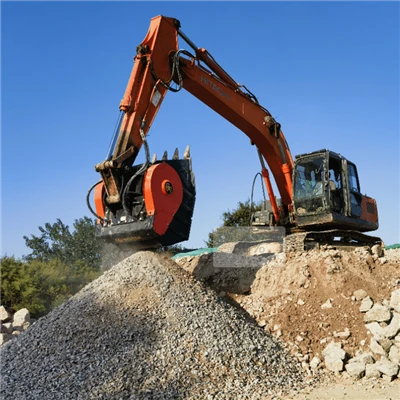
Optimizing the performance of an excavator jaw bucket is crucial for maximizing productivity, reducing operational costs, and ensuring long - term equipment reliability. As a leading supplier of excavator jaw buckets, I have witnessed firsthand the impact that proper optimization can have on a project. In this blog post, I will share some key strategies to help you get the most out of your excavator jaw bucket.


1. Selecting the Right Jaw Bucket
The first step in optimizing the performance of an excavator jaw bucket is choosing the right one for your specific application. Different projects require different types of jaw buckets, and selecting an inappropriate one can lead to inefficiencies and increased wear and tear.
- Consider the Material: The type of material you will be working with is a primary factor. For example, if you are dealing with hard rocks like granite or basalt, you need a jaw bucket with high - strength teeth and a robust structure. On the other hand, if the material is softer, such as clay or sand, a less heavy - duty bucket may suffice. Our Best Crusher Bucket is designed to handle a wide range of materials, providing excellent performance in various scenarios.
- Match the Bucket Size to the Excavator: The size of the jaw bucket should be compatible with the excavator's specifications. A bucket that is too large for the excavator can put excessive strain on the machine, leading to reduced fuel efficiency and potential damage. Conversely, a bucket that is too small will require more cycles to complete the job, increasing the overall time and cost. Our experts can help you select the right - sized Excavator Crusher Bucket for your excavator model.
2. Proper Installation and Maintenance
Once you have selected the appropriate jaw bucket, proper installation and regular maintenance are essential for optimal performance.
- Installation: Ensure that the jaw bucket is installed correctly on the excavator. Incorrect installation can cause uneven wear, reduced crushing efficiency, and even safety hazards. Follow the manufacturer's installation instructions carefully, and if necessary, seek professional assistance. Make sure all bolts are tightened to the recommended torque, and the bucket is properly aligned with the excavator's hydraulic system.
- Regular Maintenance: Regular maintenance is the key to keeping your jaw bucket in top condition. This includes checking and replacing worn - out parts, such as teeth and liners, on a timely basis. Inspect the bucket for any signs of damage, such as cracks or bent components, and address them immediately. Lubricate all moving parts regularly to reduce friction and prevent premature wear. Our Big Jaw Crusher is built with high - quality materials and is designed for easy maintenance, ensuring long - term reliability.
3. Operator Training
The operator plays a crucial role in the performance of an excavator jaw bucket. Well - trained operators can significantly improve productivity and reduce the risk of equipment damage.
- Familiarize with the Equipment: Operators should be thoroughly familiar with the features and functions of the excavator jaw bucket. This includes understanding how to adjust the crushing settings, operate the hydraulic system, and perform basic maintenance tasks. Provide comprehensive training to new operators and refresher courses for experienced ones.
- Proper Operating Techniques: Teach operators proper operating techniques, such as how to approach the material, how to position the bucket for maximum efficiency, and how to avoid overloading the bucket. Encourage operators to use smooth and controlled movements to reduce wear and tear on the equipment. For example, when crushing large rocks, it is better to break them into smaller pieces first to avoid excessive stress on the bucket.
4. Optimizing Crushing Settings
Adjusting the crushing settings of the jaw bucket can have a significant impact on its performance.
- Crushing Ratio: The crushing ratio is the ratio of the size of the input material to the size of the output material. By adjusting the crushing ratio, you can control the size of the crushed material according to your project requirements. A higher crushing ratio can produce finer materials, but it may also require more energy and put more strain on the bucket. Experiment with different crushing ratios to find the optimal setting for your specific application.
- Feed Rate: The feed rate refers to the amount of material that is fed into the jaw bucket per unit of time. A proper feed rate is crucial for maintaining efficient crushing. If the feed rate is too high, the bucket may become overloaded, leading to reduced performance and potential damage. If the feed rate is too low, the productivity will be affected. Monitor the feed rate closely and adjust it as needed to ensure a consistent and efficient crushing process.
5. Monitoring and Data Analysis
Monitoring the performance of the excavator jaw bucket and analyzing the data can provide valuable insights for optimization.
- Performance Monitoring: Use sensors and monitoring systems to track key performance indicators, such as crushing efficiency, fuel consumption, and wear on the bucket components. This data can help you identify any issues or inefficiencies early on and take corrective actions. For example, if you notice a sudden increase in fuel consumption, it may indicate a problem with the bucket's operation or a mechanical issue.
- Data Analysis: Analyze the collected data to identify trends and patterns. Look for opportunities to improve performance, such as adjusting the operating parameters, optimizing the maintenance schedule, or upgrading the equipment. By using data - driven decision - making, you can continuously improve the performance of your excavator jaw bucket.
6. Upgrading and Retrofit
As technology advances, upgrading and retrofitting your excavator jaw bucket can be a cost - effective way to improve its performance.
- Technology Upgrades: Consider upgrading the bucket's hydraulic system, control system, or other components to take advantage of the latest technological advancements. For example, a more advanced hydraulic system can provide faster and more precise operation, improving the overall efficiency of the bucket.
- Retrofitting with New Features: Retrofitting the bucket with new features, such as improved teeth or liners, can enhance its performance and durability. Our company offers a range of upgrade and retrofit options for our Excavator Crusher Bucket to meet the evolving needs of our customers.
In conclusion, optimizing the performance of an excavator jaw bucket requires a comprehensive approach that includes selecting the right bucket, proper installation and maintenance, operator training, optimizing crushing settings, monitoring and data analysis, and upgrading and retrofitting. As a trusted supplier of excavator jaw buckets, we are committed to providing our customers with high - quality products and expert advice to help them achieve optimal performance. If you are interested in learning more about our products or need assistance with optimizing your excavator jaw bucket, please feel free to contact us for a detailed discussion and potential procurement.
References
- "Excavator Attachment Handbook" - Industry - standard guide on excavator attachments
- "Crushing Technology and Equipment" - Academic publication on the principles of crushing equipment
- Manufacturer's manuals for excavator jaw buckets