

Hey there! As a supplier of rock screening buckets, I've seen firsthand how crucial it is to optimize their performance. Whether you're in construction, landscaping, or any industry that involves handling rocks and debris, a well - performing screening bucket can save you time, money, and a whole lot of hassle. So, let's dive into some tips on how to get the most out of your rock screening bucket.
1. Choose the Right Screening Bucket
First things first, you gotta pick the right screening bucket for the job. We offer a variety of options, like the Backhoe Screening Bucket and the Digger Screening Bucket. Each type is designed for specific equipment and applications.
If you're using a backhoe, the backhoe screening bucket is a no - brainer. It's built to fit seamlessly with your backhoe, allowing for efficient operation. On the other hand, if you're working with a digger, the digger screening bucket is the way to go. It's engineered to handle the power and movement of a digger, ensuring smooth and effective screening.
The size of the screening holes also matters. For larger rocks and debris, you'll want a bucket with bigger holes. This will let the larger materials pass through quickly, while smaller particles get screened out. Conversely, if you need to separate fine materials, a bucket with smaller holes is necessary.
2. Proper Installation and Maintenance
Once you've got the right screening bucket, it's essential to install it correctly. Make sure all the connections are tight and secure. Loose connections can lead to vibrations, which not only reduce the efficiency of the screening process but can also cause damage to the bucket over time.
Regular maintenance is key to keeping your screening bucket in top shape. Check the screening plates for any signs of wear and tear. If the plates are damaged, replace them as soon as possible. A damaged plate can affect the quality of the screening and may even cause the bucket to malfunction.
Lubricate all the moving parts regularly. This will reduce friction and prevent premature wear. Also, clean the bucket after each use. Removing dirt, rocks, and other debris from the bucket will extend its lifespan and ensure consistent performance.
3. Optimize the Operating Environment
The environment in which you operate the screening bucket can have a significant impact on its performance. Try to work on a flat and stable surface. Uneven ground can cause the bucket to tilt, making it difficult to screen the materials evenly.
Avoid overloading the bucket. Each screening bucket has a maximum capacity, and exceeding it can lead to poor screening results and potential damage to the equipment. If you're dealing with a large amount of material, it's better to make multiple passes rather than trying to fit too much into the bucket at once.
The moisture content of the materials being screened also plays a role. Wet materials can clump together, making it harder for the screening process to work effectively. If possible, let the materials dry out a bit before screening. Or, you can adjust the screening process to account for the moisture. For example, you may need to screen the materials more slowly to ensure proper separation.
4. Train Your Operators
Even the best screening bucket won't perform well if the operator doesn't know how to use it properly. Provide comprehensive training to your operators. They should understand how to control the equipment, how to adjust the screening settings, and how to troubleshoot common issues.
Encourage operators to pay attention to the screening process. They should be able to identify any problems early on, such as blockages or uneven screening. By promptly addressing these issues, they can prevent more significant problems from occurring and keep the screening process running smoothly.
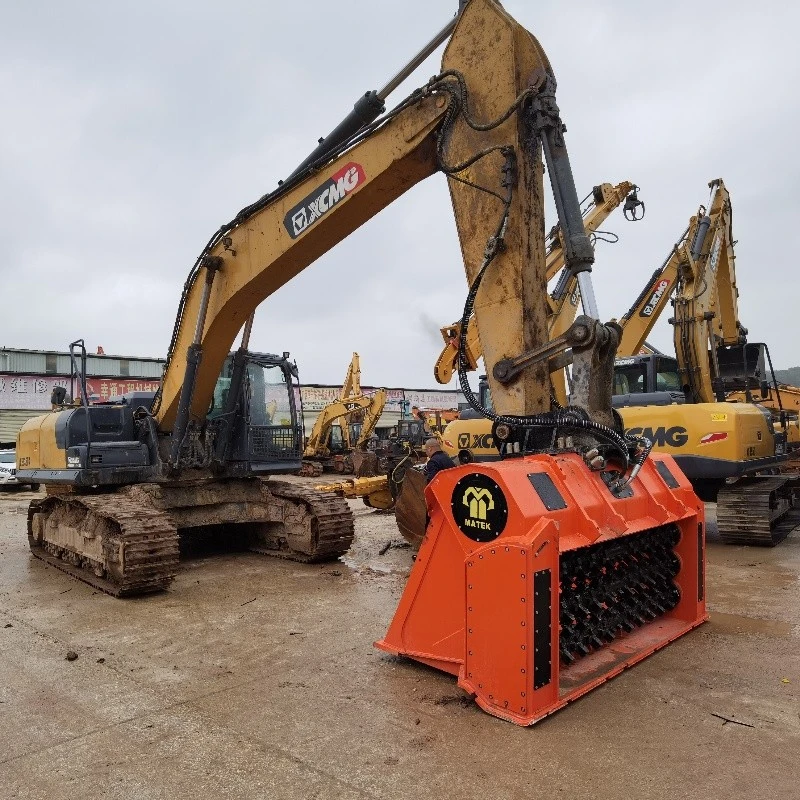

5. Use the Right Techniques
There are several techniques you can use to optimize the performance of the screening bucket. One effective method is to use a "scooping and shaking" motion. When you scoop up the materials, give the bucket a gentle shake. This helps to loosen the materials and allows them to fall through the screening holes more easily.
Another technique is to vary the angle of the bucket. By changing the angle, you can expose different parts of the materials to the screening holes, ensuring more thorough screening. Experiment with different angles to find the one that works best for the type of materials you're screening.
6. Upgrade Your Screening Bucket
If you've been using the same screening bucket for a while, it might be time to consider an upgrade. Technology is constantly evolving, and newer models of screening buckets often come with improved features. For example, some buckets now have adjustable screening plates, which allow you to change the size of the screening holes on the fly. This gives you more flexibility in different screening applications.
Upgrading to a more advanced screening bucket can also improve efficiency and productivity. Newer models are often designed to be more durable and require less maintenance. They may also be more energy - efficient, which can save you money in the long run.
Conclusion
Optimizing the performance of a rock screening bucket is all about making the right choices and taking good care of your equipment. By choosing the right bucket, installing and maintaining it properly, optimizing the operating environment, training your operators, using the right techniques, and considering an upgrade when necessary, you can ensure that your screening bucket works at its best.
If you're in the market for a high - quality rock screening bucket or need advice on how to optimize the performance of your existing one, we're here to help. Our team of experts has years of experience in the industry and can provide you with the guidance and support you need. Don't hesitate to Contact us for more information or to discuss your specific requirements. We're looking forward to helping you get the most out of your rock screening bucket.
References
- Construction Equipment Handbook, 2023 Edition
- Screening Technology Journal, Vol. 15, Issue 2
- Rock and Debris Management Best Practices Guide





