

Optimizing the installation position of the Best Screening Bucket is crucial for achieving the best performance and efficiency in various screening applications. As a leading supplier of screening buckets, we understand the importance of this aspect and are here to share some valuable insights on how to make the most of your screening bucket installation.

Understanding the Basics of Screening Bucket Installation
Before delving into the optimization strategies, it's essential to have a clear understanding of the basic principles of screening bucket installation. The screening bucket is typically attached to an excavator or a loader, and its primary function is to separate different sizes of materials, such as rocks, minerals, and soil. The efficiency of the screening process depends on several factors, including the design of the screening bucket, the type of material being screened, and, most importantly, the installation position.
Factors Affecting the Installation Position
Several factors need to be considered when determining the optimal installation position of the screening bucket. These factors can be broadly categorized into three main areas: equipment characteristics, material properties, and working environment.
Equipment Characteristics
- Excavator or Loader Type: Different types of excavators and loaders have varying lifting capacities, reach, and stability. The installation position of the screening bucket should be adjusted according to the capabilities of the equipment to ensure safe and efficient operation. For example, a larger excavator with a higher lifting capacity can accommodate a heavier screening bucket and may allow for a more flexible installation position.
- Attachment Interface: The attachment interface between the screening bucket and the excavator or loader is another critical factor. It should be properly aligned and securely fastened to prevent any movement or vibration during operation. A loose or misaligned attachment can not only affect the screening performance but also pose a safety hazard.
Material Properties
- Material Size and Density: The size and density of the material being screened play a significant role in determining the optimal installation position. For larger and heavier materials, the screening bucket may need to be installed at a lower position to facilitate the feeding process and ensure efficient screening. On the other hand, for smaller and lighter materials, a higher installation position may be more suitable to allow for better airflow and screening efficiency.
- Material Moisture Content: Moisture content can also affect the screening process. Wet materials tend to stick together, making it more difficult to separate them. In such cases, the installation position of the screening bucket may need to be adjusted to allow for better agitation and separation of the materials.
Working Environment
- Terrain and Space Constraints: The terrain and available space at the work site can limit the installation options for the screening bucket. For example, in a confined space or on uneven terrain, the screening bucket may need to be installed at a specific angle or height to ensure proper operation. Additionally, the presence of obstacles such as buildings, trees, or other equipment may also affect the installation position.
- Weather Conditions: Weather conditions, such as wind and rain, can also impact the screening process. Strong winds can blow away the screened materials, while rain can make the materials wet and difficult to screen. In adverse weather conditions, the installation position of the screening bucket may need to be adjusted to minimize the effects of the weather.
Optimizing the Installation Position
Based on the above factors, here are some practical tips for optimizing the installation position of the Best Screening Bucket:
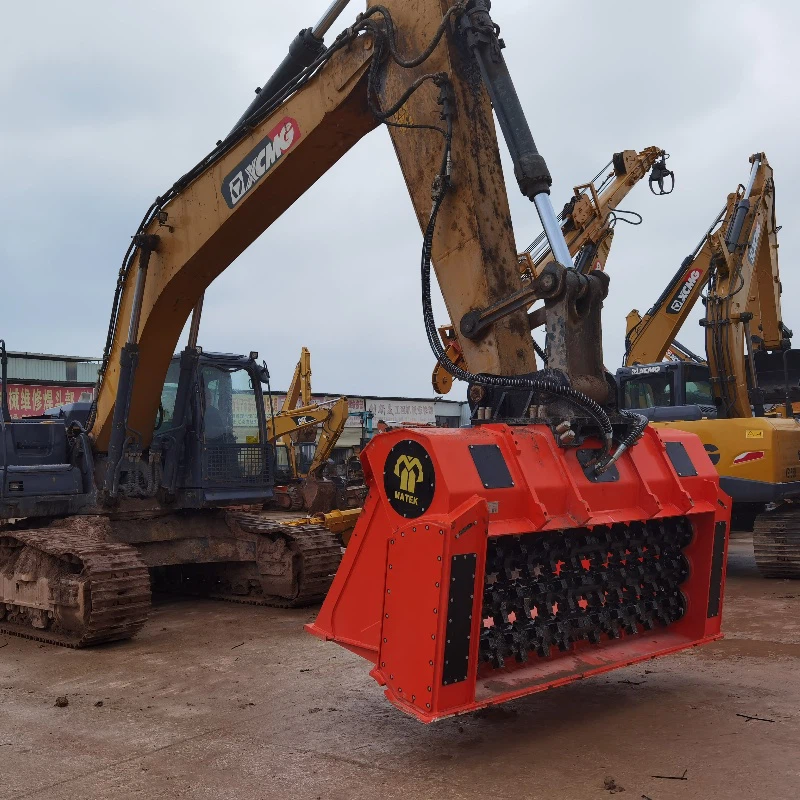
Adjust the Height
- Lower for Heavy Materials: As mentioned earlier, for heavier materials, it's generally recommended to install the screening bucket at a lower height. This allows the materials to be fed into the bucket more easily and reduces the risk of the bucket tipping over. Additionally, a lower installation height can also improve the stability of the equipment during operation.
- Higher for Light Materials: For lighter materials, a higher installation position can be beneficial. It allows for better airflow through the screening bucket, which can improve the screening efficiency. Moreover, a higher position can also make it easier to discharge the screened materials.
Angle the Bucket
- Forward Tilt for Feeding: When loading materials into the screening bucket, tilting the bucket forward slightly can help facilitate the feeding process. This allows the materials to slide into the bucket more smoothly and reduces the amount of force required to load them.
- Backward Tilt for Screening: During the screening process, tilting the bucket backward can improve the screening efficiency. It allows the materials to move more freely through the screening openings and increases the contact time between the materials and the screening surface.
Consider the Attachment Point
- Center of Gravity: The attachment point of the screening bucket should be carefully selected to ensure that the center of gravity of the combined equipment (excavator/loader + screening bucket) remains within the safe operating range. This helps to prevent the equipment from tipping over and ensures stable operation.
- Accessibility: The attachment point should also be easily accessible for maintenance and inspection purposes. This allows for quick and convenient servicing of the screening bucket, which can help to prolong its lifespan and ensure optimal performance.
Specific Installation Positions for Different Types of Screening Buckets
Different types of screening buckets, such as Rock Screening Bucket, Mineral Screening Bucket, and Bucket Screener, may require specific installation positions based on their design and intended use.
Rock Screening Bucket
- Low and Stable: Due to the heavy and large size of rocks, a rock screening bucket is typically installed at a lower position to ensure stability. This helps to prevent the bucket from tipping over during the screening process and allows for efficient handling of the rocks.
- Forward Tilt for Loading: When loading rocks into the bucket, a forward tilt can be used to make it easier to scoop up the rocks. This reduces the amount of force required to load the bucket and improves the overall efficiency of the operation.
Mineral Screening Bucket
- Optimal Height for Airflow: Mineral screening often requires good airflow to separate the different-sized particles effectively. Therefore, a mineral screening bucket may be installed at a slightly higher position to allow for better airflow through the bucket.
- Backward Tilt for Screening: During the screening process, a backward tilt can be used to improve the screening efficiency. This allows the minerals to move more freely through the screening openings and increases the contact time between the minerals and the screening surface.
Bucket Screener
- Versatile Installation: Bucket screeners are designed to be versatile and can be used for a variety of screening applications. The installation position of a bucket screener can be adjusted according to the specific requirements of the job. For example, it can be installed at a lower position for heavy materials or at a higher position for lighter materials.
Conclusion
Optimizing the installation position of the Best Screening Bucket is a key factor in achieving the best performance and efficiency in screening operations. By considering the equipment characteristics, material properties, and working environment, and following the practical tips outlined in this article, you can ensure that your screening bucket is installed in the optimal position for your specific application.
If you are interested in purchasing a screening bucket or have any questions about the installation and operation of our products, please feel free to contact us for more information. Our team of experts is always ready to assist you in finding the best screening solution for your needs.
References
- Construction Equipment Handbook, various editions
- Technical manuals of screening bucket manufacturers





