Hey there! As a supplier of small jaw crushers, I've seen firsthand how crucial it is to optimize their design. In this blog, I'll share some tips and tricks on how to do just that, based on my years of experience in the industry.
Understanding the Basics of Small Jaw Crushers
Before we dive into optimization, let's quickly go over what small jaw crushers are and how they work. Small jaw crushers are used to crush various materials, such as rocks, ores, and concrete, into smaller pieces. They operate by applying pressure between two jaws - a fixed jaw and a movable jaw. The material is fed into the top of the crusher and gets crushed as it moves down between the jaws.
The design of a small jaw crusher can greatly impact its performance, efficiency, and durability. So, let's look at some key areas where we can optimize the design.
1. Material Selection
The choice of materials for the jaws and other critical components is vital. High - strength and wear - resistant materials can significantly extend the lifespan of the crusher. For example, using manganese steel for the jaws can provide better resistance to abrasion, as it hardens under impact. This means less frequent replacement of parts and lower maintenance costs in the long run.
2. Chamber Design
The shape and size of the crushing chamber play a huge role in the crusher's efficiency. A well - designed chamber should ensure proper material flow and efficient crushing. A tapered chamber design, where the top is wider than the bottom, allows for a larger feed size and better compression of the material as it moves down. This results in a more uniform particle size distribution in the output.
3. Adjustment Mechanisms
Having an easy - to - use adjustment mechanism for the discharge opening is essential. It allows operators to control the size of the crushed material according to their specific needs. Hydraulic adjustment systems are becoming increasingly popular as they offer precise control and can be adjusted quickly, reducing downtime.
4. Motor and Power Transmission
Selecting the right motor for the small jaw crusher is crucial. An under - powered motor will result in poor crushing performance, while an over - powered one will waste energy. The power transmission system, such as belts and pulleys, should also be properly designed to ensure efficient transfer of power from the motor to the crusher. A well - maintained power transmission system reduces the risk of breakdowns and ensures smooth operation.
5. Lubrication System
A good lubrication system is necessary to keep all moving parts of the crusher running smoothly. Regular lubrication reduces friction, wear, and heat generation. Automatic lubrication systems are a great option as they can ensure consistent lubrication at the right intervals, even in harsh operating conditions.

6. Safety Features
Safety should always be a top priority. Small jaw crushers should be equipped with features like guards around moving parts, emergency stop buttons, and overload protection. These features not only protect the operators but also prevent damage to the crusher in case of unexpected situations.
Incorporating Related Products
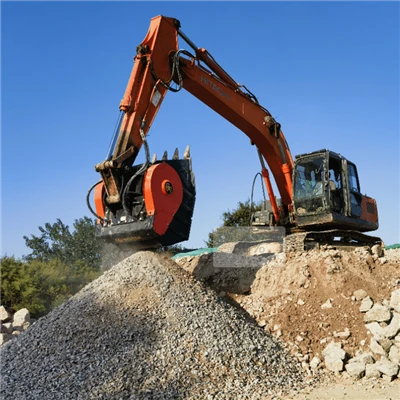
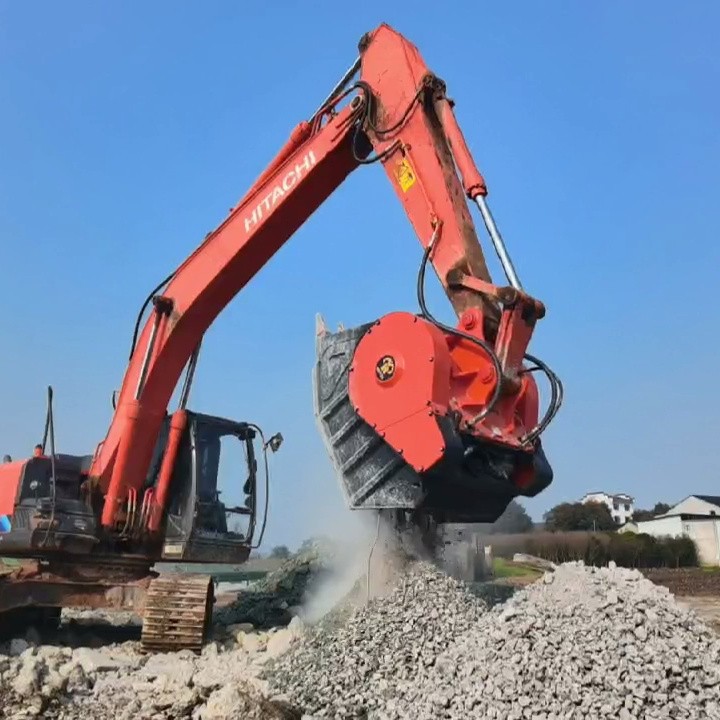
When optimizing the design of small jaw crushers, it's also worth considering related products that can enhance their functionality. For example, a Jaw Bucket can be used in conjunction with a small jaw crusher. It allows for on - site crushing of materials directly at the source, reducing the need for transportation and increasing efficiency.
Another great option is the Concrete Crusher Bucket. It's specifically designed for crushing concrete, making it ideal for demolition and construction projects. This Concrete Crusher Bucket can work in tandem with a small jaw crusher to handle different types of materials more effectively.
Testing and Validation
Once the design changes are made, it's important to test and validate the performance of the small jaw crusher. This can involve running the crusher with different types of materials and at various operating conditions. Collecting data on factors like throughput, particle size distribution, and power consumption can help determine if the optimization efforts have been successful.
Cost - Benefit Analysis
When optimizing the design, it's also necessary to consider the cost - benefit ratio. Some design improvements may require significant upfront investment, but they can lead to long - term savings in terms of reduced maintenance, increased productivity, and better product quality. So, it's important to weigh the costs against the potential benefits before implementing any major design changes.
Contact for Purchase and Consultation
If you're interested in learning more about our small jaw crushers or want to discuss how we can optimize the design to meet your specific needs, don't hesitate to reach out. We're always happy to have a chat and find the best solutions for your crushing requirements. Whether you're in the mining, construction, or recycling industry, our team of experts can provide you with the right advice and products.
References
- Smith, J. (2018). "Crushing Equipment Design and Operation". Mining Journal Publications.
- Johnson, R. (2020). "Advances in Small Jaw Crusher Technology". Construction Equipment Magazine.