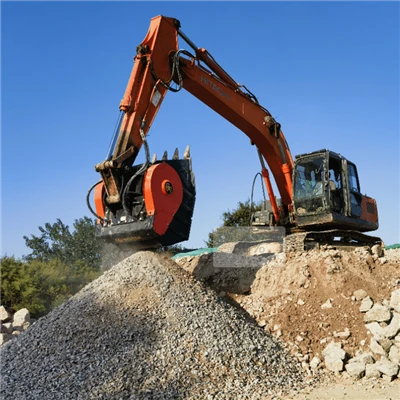
Installing a big jaw crusher is a significant undertaking that requires careful planning, technical know - how, and strict adherence to safety protocols. As a well - established big jaw crusher supplier, I am here to guide you through the installation process step by step.
Pre - installation Preparations
Before you even begin the installation, a series of preparatory steps are crucial. First and foremost, you need to select an appropriate location for the jaw crusher. The site should be flat, stable, and large enough to accommodate the crusher and its associated equipment. It is essential to ensure that the ground can bear the weight of the crusher during operation. A soil test can be conducted to determine the soil's load - bearing capacity. If the ground is not suitable, you may need to construct a concrete foundation.
Next, you should gather all the necessary tools and equipment for the installation. This includes wrenches, hoists, cranes, and safety gear such as helmets, gloves, and safety glasses. Make sure that all tools are in good working condition and of the correct size and type for the installation tasks.
It is also vital to review the installation manual provided with the big jaw crusher. The manual contains detailed instructions specific to your crusher model, including assembly diagrams, torque specifications, and safety warnings. Familiarize yourself with the entire installation process before starting the work.
Unloading and Transporting the Crusher
Once you have completed the pre - installation preparations, the next step is to unload the big jaw crusher from the transportation vehicle. Use a crane or a forklift to carefully lift the crusher from the truck. Ensure that the lifting equipment is rated for the weight of the crusher. When using a crane, attach the lifting slings to the designated lifting points on the crusher. These points are designed to distribute the weight evenly and prevent damage to the crusher during lifting.
During transportation to the installation site, secure the crusher properly to prevent it from shifting or tipping over. If possible, use a flatbed trailer with tie - down straps to keep the crusher in place. Make sure that the transportation route is clear of any obstacles and has sufficient clearance for the size of the crusher.


Foundation Installation
As mentioned earlier, a stable foundation is essential for the proper functioning of the big jaw crusher. If a concrete foundation is required, follow these steps:
- Mark the Foundation Area: Use stakes and string to mark the exact area where the foundation will be poured. The dimensions should match the specifications provided in the installation manual.
- Excavate the Area: Dig the foundation area to the required depth. The depth will depend on the size and weight of the crusher. Remove any loose soil or debris from the excavation site.
- Install Reinforcement Bars: Place reinforcement bars (rebar) in the excavation according to the design. The rebar helps to strengthen the concrete foundation and prevent cracking.
- Pour the Concrete: Mix the concrete according to the manufacturer's instructions and pour it into the excavation. Use a vibrator to ensure that the concrete is well - compacted and free of air pockets.
- Level and Finish the Surface: Once the concrete is poured, use a screed board to level the surface. Then, finish the surface with a trowel to create a smooth finish.
- Cure the Concrete: Allow the concrete to cure for the recommended period, usually 7 - 28 days, depending on the type of concrete used. Curing is essential to ensure that the concrete reaches its full strength.
Assembling the Big Jaw Crusher
After the foundation has cured, it's time to assemble the big jaw crusher.
- Base Installation: Use a crane to lift the crusher base onto the foundation. Align the base with the anchor bolts in the foundation. Make sure that the base is level using a spirit level. Tighten the anchor bolts gradually in a criss - cross pattern to ensure even tightening.
- Frame Assembly: Attach the crusher frame to the base. Use bolts and nuts to secure the frame. Check the alignment of the frame and make any necessary adjustments.
- Jaw Assembly: Install the fixed and movable jaws onto the frame. The jaws are the key components of the crusher, and proper installation is crucial for efficient crushing. Make sure that the jaws are correctly aligned and tightened.
- Drive System Installation: Install the drive system, which usually consists of a motor, a belt drive, and a flywheel. Connect the motor to the power supply and ensure that the belt is properly tensioned. The flywheel helps to store energy and maintain a consistent crushing force.
- Hydraulic System Installation (if applicable): Some big jaw crushers are equipped with a hydraulic system for adjusting the discharge opening and for overload protection. Install the hydraulic cylinders, hoses, and valves according to the installation manual. Check for any leaks in the hydraulic system.
Electrical and Control System Installation
The electrical and control system is responsible for operating the big jaw crusher.
- Wiring: Connect the electrical wires from the motor, sensors, and control panels according to the electrical schematic provided in the installation manual. Make sure that all connections are secure and insulated to prevent electrical hazards.
- Control Panel Installation: Install the control panel in a convenient location near the crusher. The control panel allows you to start, stop, and monitor the operation of the crusher. Program the control panel according to the specific requirements of your application.
- Safety Devices Installation: Install safety devices such as emergency stop buttons, overload protection switches, and safety guards. These devices are essential for protecting operators from accidents during the operation of the crusher.
Testing and Commissioning
Once the installation is complete, it's time to test and commission the big jaw crusher.
- Visual Inspection: Conduct a thorough visual inspection of the entire crusher to ensure that all components are properly installed and tightened. Check for any loose bolts, misaligned parts, or signs of damage.
- Lubrication: Fill the lubrication points with the recommended lubricant. Proper lubrication is essential for reducing friction and wear on the moving parts of the crusher.
- Electrical and Control System Check: Check the electrical connections and the functionality of the control system. Test the emergency stop buttons and other safety devices to ensure that they are working correctly.
- Initial Start - up: Start the crusher at a low speed and observe its operation. Listen for any abnormal noises or vibrations. Check the temperature of the motor and other components to ensure that they are within the normal range.
- Load Testing: After the initial start - up, gradually increase the load on the crusher. Monitor the performance of the crusher, including the crushing capacity, the particle size of the output, and the power consumption. Make any necessary adjustments to the crusher settings to optimize its performance.
Maintenance and Support
After successful installation and commissioning, regular maintenance is essential to keep the big jaw crusher in good working condition. As a supplier, we offer a comprehensive maintenance program that includes scheduled inspections, lubrication, and replacement of worn - out parts. Our team of experienced technicians is always available to provide on - site support and troubleshooting services.
If you are interested in our Bucket Jaw Crusher, Crusher Bucket Excavator or Jaw Crusher for Excavator, or if you have any questions about the installation process of our big jaw crushers, please feel free to contact us for further discussion and procurement negotiation. We are committed to providing you with high - quality products and excellent after - sales service.
References
- Manufacturer's Installation Manual for Big Jaw Crushers
- Engineering Standards for Heavy Machinery Installation
- Safety Guidelines for Industrial Equipment Installation