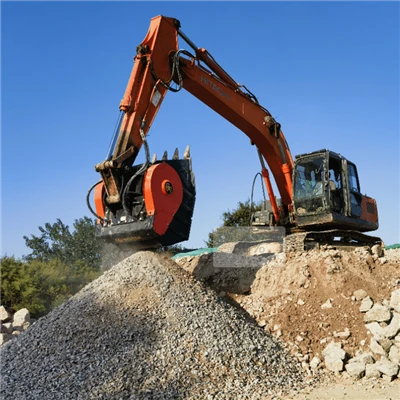
Designing a soil improvements plan for a specific area is a complex yet rewarding process. As a Soil Improvements supplier, I've had the privilege of working on numerous projects, each with its unique set of challenges and requirements. In this blog, I'll share the key steps and considerations involved in creating an effective soil improvements plan.
Step 1: Site Assessment
The first and most crucial step in designing a soil improvements plan is to conduct a thorough site assessment. This involves gathering information about the soil's physical, chemical, and biological properties, as well as the site's topography, climate, and land use history.
- Soil Sampling and Analysis: Collect soil samples from multiple locations across the site to determine its texture, structure, pH, nutrient content, and organic matter. Laboratory analysis of these samples will provide valuable insights into the soil's current condition and help identify any specific issues that need to be addressed.
- Topographical Survey: A topographical survey will help you understand the site's elevation, slope, and drainage patterns. This information is essential for designing a plan that takes into account the natural flow of water and prevents erosion.
- Climate and Weather Data: Consider the local climate and weather conditions, including rainfall, temperature, and wind patterns. These factors can have a significant impact on soil moisture, nutrient availability, and plant growth.
- Land Use History:了解 the site's past land use, including any previous agricultural, industrial, or construction activities. This information can help you identify potential sources of soil contamination and determine the appropriate remediation measures.
Step 2: Define Goals and Objectives
Once you have a clear understanding of the site's current condition, the next step is to define the goals and objectives of the soil improvements plan. These goals should be specific, measurable, achievable, relevant, and time-bound (SMART).
- Improve Soil Fertility: One of the most common goals of a soil improvements plan is to enhance soil fertility by increasing the availability of nutrients such as nitrogen, phosphorus, and potassium. This can be achieved through the addition of organic matter, fertilizers, or soil amendments.
- Enhance Soil Structure: Another important goal is to improve soil structure, which refers to the arrangement of soil particles and the spaces between them. A well-structured soil allows for better water infiltration, root penetration, and aeration.
- Control Erosion: If the site is prone to erosion, preventing soil loss should be a primary objective. This can be accomplished through the use of erosion control measures such as terracing, contour plowing, and the planting of cover crops.
- Remediate Contamination: In cases where the soil is contaminated with heavy metals, pesticides, or other pollutants, the goal may be to remediate the contamination to a safe level. This may involve the use of techniques such as Soil Decontamination.
Step 3: Select Appropriate Soil Improvement Techniques
Based on the site assessment and the defined goals and objectives, the next step is to select the appropriate soil improvement techniques. There are a variety of techniques available, each with its own advantages and limitations.
- Organic Matter Addition: Adding organic matter such as compost, manure, or cover crops is one of the most effective ways to improve soil fertility and structure. Organic matter helps to retain moisture, increase nutrient availability, and promote the growth of beneficial soil organisms.
- Fertilization: The application of fertilizers can help to supplement the soil's nutrient content and ensure that plants have access to the essential elements they need for growth. However, it's important to use fertilizers carefully and in accordance with soil test results to avoid over-application and environmental pollution.
- Soil Amendments: Soil amendments such as lime, gypsum, and sulfur can be used to adjust the soil's pH and improve its chemical properties. For example, lime can be added to acidic soils to raise the pH and make nutrients more available to plants.
- Mass Soil Mixing: This technique involves the mechanical mixing of soil with additives such as cement, lime, or fly ash to improve its strength, stability, and durability. Mass soil mixing is commonly used in construction projects to stabilize weak or unstable soils.
- Bioremediation: Bioremediation is a process that uses microorganisms to break down and remove contaminants from the soil. This technique is often used in cases where the soil is contaminated with organic pollutants such as petroleum hydrocarbons or pesticides.
Step 4: Develop a Implementation Plan
Once you have selected the appropriate soil improvement techniques, the next step is to develop a detailed implementation plan. This plan should include a timeline, a budget, and a list of the materials and equipment needed for the project.
- Timeline: The timeline should outline the sequence of activities and the estimated time required for each step of the project. It's important to consider factors such as weather conditions, soil moisture levels, and the availability of labor and equipment when developing the timeline.
- Budget: The budget should include the cost of materials, labor, equipment, and any other expenses associated with the project. It's important to obtain quotes from multiple suppliers and contractors to ensure that you are getting the best value for your money.
- Materials and Equipment: The list of materials and equipment should include everything needed for the project, such as soil amendments, fertilizers, seeds, and machinery. It's important to ensure that the materials and equipment are of high quality and suitable for the specific requirements of the project.
Step 5: Monitor and Evaluate the Results
After implementing the soil improvements plan, it's important to monitor and evaluate the results to determine its effectiveness. This involves collecting data on soil properties, plant growth, and other relevant indicators over time.
- Soil Testing:定期进行土壤测试,以监测土壤肥力、pH值和其他化学性质的变化。这将帮助你确定是否需要进行额外的土壤改良措施。
- Plant Growth Monitoring:观察植物的生长和健康状况,包括植物的高度、颜色、叶片数量和果实产量。这将帮助你评估土壤改良措施对植物生长的影响。
- Erosion Control Monitoring:监测土壤侵蚀的程度和速度,以及侵蚀控制措施的有效性。这将帮助你确定是否需要采取额外的措施来防止土壤流失。
- Cost-Benefit Analysis:进行成本效益分析,以评估土壤改良计划的经济可行性。这将帮助你确定该计划是否值得投资,并为未来的项目提供参考。
Step 6: Adjust the Plan as Needed
Based on the results of the monitoring and evaluation, you may need to adjust the soil improvements plan as needed. This may involve changing the type or amount of soil amendments used, adjusting the fertilization schedule, or implementing additional erosion control measures.
- Flexibility: It's important to be flexible and willing to make adjustments to the plan as needed. Soil conditions can change over time, and unexpected challenges may arise during the implementation of the project.
- Continuous Improvement: Soil improvement is an ongoing process, and it's important to continuously monitor and evaluate the results to identify areas for improvement. By making adjustments to the plan as needed, you can ensure that the soil continues to improve over time.
Conclusion
Designing a soil improvements plan for a specific area requires careful planning, site assessment, and the selection of appropriate soil improvement techniques. By following the steps outlined in this blog, you can create a comprehensive plan that addresses the specific needs of the site and helps to achieve your goals and objectives.
As a Soil Improvements supplier, we offer a wide range of Soil Stabilization Products and services to help you improve the quality of your soil. Whether you're a farmer, a landscaper, or a construction contractor, we can provide you with the expertise and support you need to design and implement a successful soil improvements plan.


If you're interested in learning more about our products and services, or if you have any questions about soil improvement, please don't hesitate to contact us. We look forward to working with you to create a healthier, more productive soil environment.
References
- Brady, N. C., & Weil, R. R. (2008). The nature and properties of soils. Pearson Prentice Hall.
- Hillel, D. (1998). Environmental soil physics. Academic Press.
- Lal, R., & Stewart, B. A. (eds.). (1990). Soil management: Experimental basis for conservation and environmental quality. CRC Press.