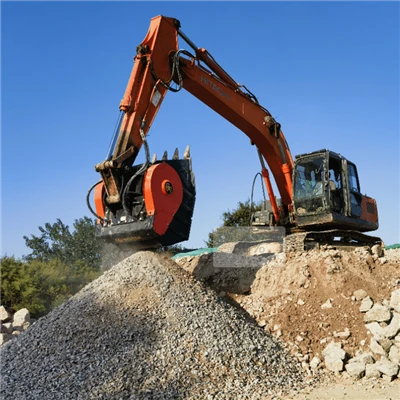
Hey there! I'm a supplier of bucket screeners, and I'm here to share some super practical tips on how to clean a bucket screener. Cleaning your bucket screener regularly is crucial to keep it in top - notch condition and ensure it operates efficiently for years to come.
Why Cleaning is a Big Deal
Before we dive into the cleaning process, let's talk about why it's so important. When you're using a bucket screener, it gets exposed to all sorts of debris, rocks, and dirt. If you don't clean it regularly, this build - up can clog the screening openings, reduce the efficiency of the machine, and even cause some serious wear and tear over time. A clean bucket screener not only performs better but also has a longer lifespan, which saves you money in the long run.
Tools You'll Need
First things first, gather the right tools. You don't need a whole bunch of fancy stuff. Here's a basic list:
- Pressure washer: This is a game - changer. It can blast away stubborn dirt and debris quickly.
- Wire brush: Handy for getting into those tight spots and scraping off any caked - on material.
- Safety gear: Gloves and goggles are a must to protect yourself from flying debris and cleaning chemicals if you use them.
- Bucket of soapy water: A simple mixture of mild detergent and water can be very effective in breaking down grease and grime.
Step - by - Step Cleaning Process
Step 1: Preparation
Before you start cleaning, make sure the bucket screener is turned off and disconnected from any power source. If it's attached to a machine like an excavator, follow the proper safety procedures to detach it safely. Also, clear the area around the screener to avoid any tripping hazards.
Step 2: Remove Loose Debris
Use a shovel or a brush to remove any large pieces of debris, like rocks or chunks of soil, from the bucket screener. This will make the subsequent cleaning steps much easier. You can also gently shake the screener to dislodge any loose material that might be stuck in the screening holes.

Step 3: Pressure Washing
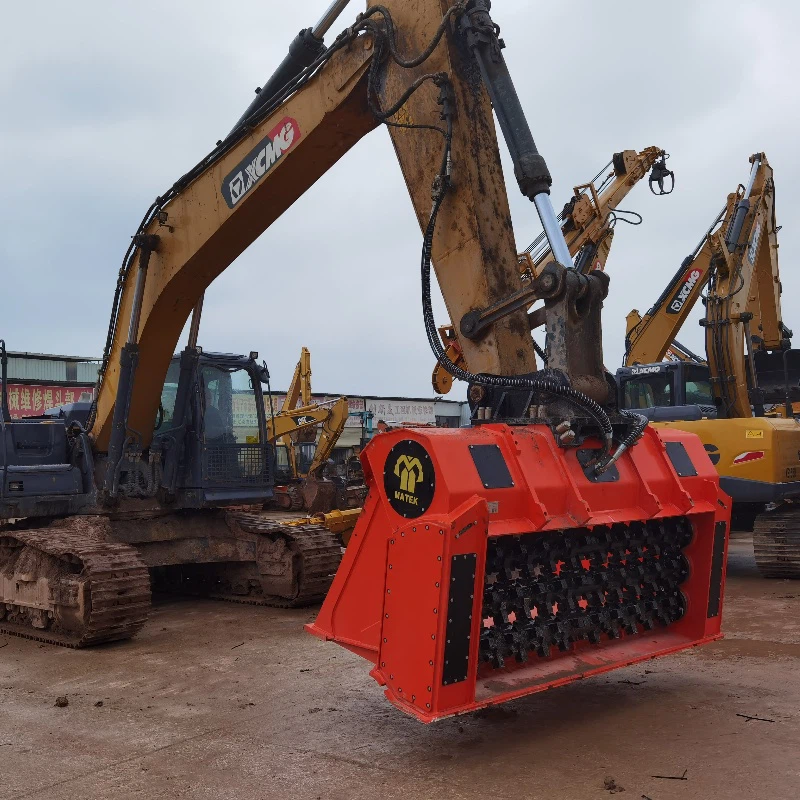
Now, it's time to bring out the pressure washer. Start from the top of the bucket screener and work your way down. Use a wide - angle nozzle to cover a large area quickly. Make sure to get into all the nooks and crannies, especially around the screening plates and the edges of the bucket. If there are any really stubborn spots, you can switch to a more concentrated nozzle to apply more pressure. But be careful not to damage the screening plates with too much pressure.
Step 4: Scrubbing with a Wire Brush
After pressure washing, there might still be some dirt and debris that's stuck. This is where the wire brush comes in. Use it to scrub the screening plates, the sides of the bucket, and any other areas that need a little extra attention. Pay special attention to the corners and the areas where the screening plates are attached. Scrubbing will help remove any remaining particles and ensure that the screening holes are completely clear.
Step 5: Soapy Water Wash
Fill a bucket with soapy water and use a sponge or a cloth to wipe down the entire bucket screener. This will help remove any grease or oil that might be on the surface. Make sure to rinse it thoroughly with clean water after using the soapy water to avoid leaving any residue.
Step 6: Drying
Once you've finished washing, let the bucket screener dry completely before you use it again. You can use a clean cloth to wipe off any excess water, or you can simply let it air - dry in a well - ventilated area. Drying is important because moisture can cause rust and corrosion, which can damage the machine over time.
Special Considerations for Different Types of Bucket Screeners
There are different types of bucket screeners available in the market, and each might require a slightly different cleaning approach.
Rock Screening Bucket
The Rock Screening Bucket often deals with large, heavy rocks. These rocks can leave behind a lot of dust and small rock particles. When cleaning a rock screening bucket, you might need to use a higher - pressure setting on your pressure washer to remove the stubborn rock dust. Also, make sure to check the screening plates for any cracks or damage that might have occurred due to the impact of the rocks.
Screening Buckets in General
Screening Buckets are used for a variety of materials. If the bucket has been used to screen wet or sticky materials, like clay, you might need to soak the screening plates in soapy water for a while to loosen the material before scrubbing. This will make the cleaning process more effective.
Asphalt Screening Bucket
The Asphalt Screening Bucket is exposed to hot asphalt, which can be very sticky. To clean an asphalt screening bucket, you may need to use a specialized asphalt cleaner. Apply the cleaner according to the manufacturer's instructions and let it sit for a few minutes to break down the asphalt. Then, use a pressure washer and a wire brush to remove the softened asphalt.
Maintenance Tips Alongside Cleaning
Cleaning is just one part of keeping your bucket screener in good condition. Here are some additional maintenance tips:
- Regular Inspections: Check the screening plates, bolts, and other components for any signs of wear and tear. Replace any damaged parts immediately to prevent further problems.
- Lubrication: Make sure to lubricate the moving parts of the bucket screener regularly. This will reduce friction and extend the life of the machine.
- Proper Storage: When not in use, store the bucket screener in a dry, protected area. This will prevent rust and other damage from the elements.
Conclusion and Call to Action
Cleaning your bucket screener doesn't have to be a hassle. By following these simple steps and using the right tools, you can keep your machine in great shape and ensure it performs at its best. If you're in the market for a new bucket screener or need any parts for your existing one, don't hesitate to reach out. We're here to help you find the perfect solution for your screening needs. Whether you're dealing with rocks, asphalt, or other materials, our high - quality bucket screeners are designed to get the job done.
References
- General knowledge from the bucket screener industry
- Manufacturer's guidelines for bucket screener maintenance