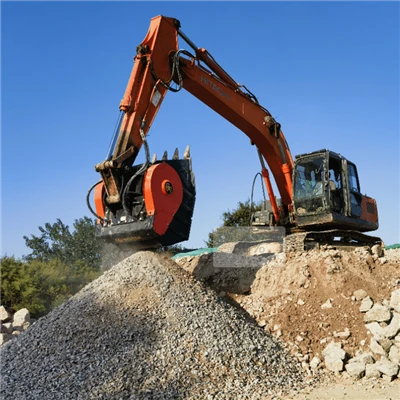
When it comes to the field of rock crushing, selecting the right rock crusher jaws for a specific rock type is a critical decision that can significantly impact the efficiency, productivity, and overall performance of your crushing operations. As a leading supplier of rock crusher jaws, I understand the complexities involved in this selection process and am here to guide you through the key considerations to ensure you make the best choice for your specific needs.
Understanding the Importance of Matching Crusher Jaws to Rock Type
Rock crusher jaws are the primary components responsible for breaking down rocks into smaller, more manageable sizes. Different rock types have varying hardness, abrasiveness, and other physical properties that can affect the performance and lifespan of crusher jaws. Using the wrong type of jaws for a particular rock can lead to premature wear, reduced crushing efficiency, increased maintenance costs, and even equipment damage. Therefore, it is essential to match the crusher jaws to the specific rock type to optimize the crushing process and achieve the desired results.
Key Factors to Consider When Choosing Rock Crusher Jaws
1. Rock Hardness
One of the most important factors to consider when selecting crusher jaws is the hardness of the rock you will be crushing. Hardness is typically measured on the Mohs scale, which ranges from 1 (softest) to 10 (hardest). Rocks with a high Mohs hardness, such as granite and quartzite, are extremely abrasive and require crusher jaws made from high-strength, wear-resistant materials. On the other hand, softer rocks, such as limestone and gypsum, can be crushed with jaws made from less expensive, more ductile materials.
2. Rock Abrasiveness
In addition to hardness, the abrasiveness of the rock is another crucial factor to consider. Abrasive rocks, such as sandstone and basalt, contain sharp particles that can quickly wear down crusher jaws. To withstand the abrasive action of these rocks, jaws should be made from materials with excellent wear resistance, such as high-chromium white iron or manganese steel.
3. Crushing Capacity
The crushing capacity of your rock crusher is also an important consideration when choosing jaws. The capacity is determined by factors such as the size and power of the crusher, as well as the type and hardness of the rock being crushed. You need to select jaws that can handle the volume of rock you plan to crush within a given time frame. Oversized jaws may result in inefficient crushing, while undersized jaws may not be able to handle the workload, leading to increased wear and reduced productivity.
4. Jaw Design
The design of the crusher jaws can also have a significant impact on the crushing process. Different jaw designs are available, each with its own advantages and disadvantages. For example, straight jaws are typically used for primary crushing and are suitable for large rocks, while serrated jaws are more effective for secondary and tertiary crushing and can provide a more uniform particle size distribution. The shape and profile of the jaws can also affect the crushing efficiency and the quality of the crushed product.
5. Compatibility with the Crusher
It is essential to ensure that the crusher jaws you choose are compatible with your specific rock crusher model. Different crushers have different jaw sizes, mounting methods, and operating requirements. Using incompatible jaws can lead to improper fit, reduced performance, and potential safety hazards. Before purchasing new jaws, consult the manufacturer's specifications or contact a knowledgeable supplier to ensure a proper match.
Recommended Jaw Materials for Different Rock Types
1. Granite and Quartzite
Granite and quartzite are hard, abrasive rocks with a Mohs hardness of 6 to 7. For these types of rocks, high-chromium white iron jaws are an excellent choice. High-chromium white iron has excellent wear resistance and can withstand the extreme abrasion caused by granite and quartzite. It also has good impact resistance, which is important for handling the large rocks typically encountered in primary crushing operations.


2. Limestone and Gypsum
Limestone and gypsum are relatively soft rocks with a Mohs hardness of 3 to 4. For these rocks, manganese steel jaws are a popular option. Manganese steel is a ductile material that can deform under pressure without cracking, making it suitable for crushing softer rocks. It also has good wear resistance and can provide a long service life in limestone and gypsum crushing applications.
3. Sandstone and Basalt
Sandstone and basalt are abrasive rocks that require jaws with good wear resistance. High-chromium white iron or alloy steel jaws are recommended for these types of rocks. High-chromium white iron offers superior wear resistance, while alloy steel provides a good balance of wear resistance and impact resistance.
Additional Considerations for Rock Crusher Jaw Selection
1. Operating Conditions
The operating conditions of your rock crusher can also affect the performance and lifespan of the jaws. Factors such as the temperature, humidity, and dust levels in the crushing environment can all have an impact on the wear rate of the jaws. In harsh operating conditions, it may be necessary to choose jaws made from more durable materials or to implement additional protective measures, such as dust suppression systems.
2. Cost
Cost is always a consideration when purchasing rock crusher jaws. While it may be tempting to choose the cheapest option available, it is important to remember that quality and performance are also important factors. Investing in high-quality jaws made from the right materials can result in longer service life, reduced maintenance costs, and improved productivity in the long run. Consider the total cost of ownership, including the initial purchase price, maintenance costs, and replacement frequency, when making your decision.
3. Supplier Reputation
When purchasing rock crusher jaws, it is important to choose a reputable supplier. A reliable supplier will have a good understanding of the different rock types and the appropriate jaw materials for each. They will also be able to provide you with expert advice and support, as well as high-quality products that meet your specific requirements. Look for a supplier with a proven track record in the industry and positive customer reviews.
Conclusion
Choosing the right rock crusher jaws for a specific rock type is a crucial decision that can have a significant impact on the success of your crushing operations. By considering factors such as rock hardness, abrasiveness, crushing capacity, jaw design, and compatibility with the crusher, you can select the most suitable jaws for your needs. Additionally, choosing the right jaw materials and considering the operating conditions and cost can help you optimize the performance and lifespan of your crusher jaws.
As a leading supplier of rock crusher jaws, we have the expertise and experience to help you make the right choice. Our team of experts can provide you with personalized advice and support based on your specific requirements. We offer a wide range of high-quality crusher jaws made from the latest materials and designs, ensuring maximum performance and durability.
If you are in the market for rock crusher jaws or need further information on choosing the right jaws for your specific rock type, please do not hesitate to [contact us]. We are committed to providing you with the best products and services to meet your crushing needs.
References
- ASTM International. (2023). Standard Test Methods for Rock Hardness and Abrasion Resistance.
- crusher manufacturers' technical manuals and specifications.
- Industry research reports on rock crushing technology and equipment.
For more information about related products, you can visit the following links: Pile Crusher, Crusher Bucket Mini Excavator, Excavator Jaw Crusher.