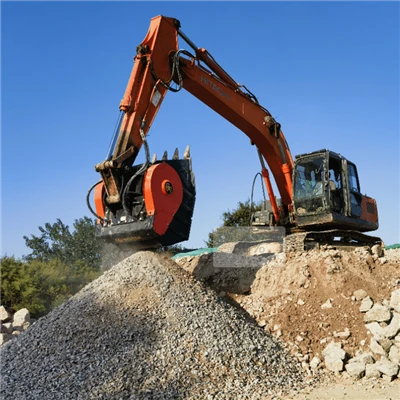
When it comes to the world of construction, mining, and recycling, a small jaw crusher is an invaluable piece of equipment. It can efficiently break down various materials, from rocks and ores to concrete and asphalt. However, with so many options available in the market, choosing a suitable small jaw crusher can be a daunting task. As a supplier of Small Jaw Crushers, I've witnessed firsthand the challenges that customers face in making this decision. In this blog, I'll share some key factors to consider when selecting a small jaw crusher to ensure you make the right choice for your specific needs.
1. Capacity Requirements
The first step in choosing a small jaw crusher is to determine your capacity requirements. This involves assessing the volume of material you need to process within a given time frame. Consider factors such as the size of your project, the frequency of use, and the type of material you'll be crushing. For example, if you're working on a small-scale construction project with a limited amount of material to process, a lower-capacity crusher may be sufficient. On the other hand, if you're involved in large-scale mining operations or recycling facilities, you'll need a crusher with a higher throughput.
It's important to note that the capacity of a jaw crusher is typically measured in tons per hour (TPH). When evaluating different models, make sure to compare their rated capacities under similar operating conditions. Keep in mind that the actual capacity may vary depending on factors such as the hardness and size of the material, the feed rate, and the settings of the crusher.
2. Material Characteristics
The type and characteristics of the material you'll be crushing play a crucial role in determining the suitability of a small jaw crusher. Different materials have different hardness, abrasiveness, and moisture content, which can affect the performance and durability of the crusher.
- Hardness: Hard materials, such as granite and basalt, require a crusher with a higher crushing force and stronger components. Look for crushers with heavy-duty frames, high-quality jaws, and powerful motors to ensure efficient and reliable operation.
- Abrasiveness: Abrasive materials, such as quartz and sandstone, can cause significant wear and tear on the crusher's components. Consider crushers with wear-resistant liners and jaws made from high-quality materials, such as manganese steel or alloy steel, to minimize maintenance and replacement costs.
- Moisture Content: Materials with high moisture content can cause clogging and reduce the efficiency of the crusher. If you'll be crushing wet materials, look for crushers with features such as adjustable discharge settings and self-cleaning mechanisms to prevent blockages.
3. Crushing Ratio
The crushing ratio is another important factor to consider when choosing a small jaw crusher. It refers to the ratio of the size of the feed material to the size of the crushed product. A higher crushing ratio means that the crusher can reduce the size of the material more effectively, resulting in a finer product.
The crushing ratio of a jaw crusher is typically determined by the design of the crusher's jaws and the settings of the discharge opening. Look for crushers with a high crushing ratio if you need to produce a fine-grained product. However, keep in mind that a higher crushing ratio may also result in a lower throughput, so you'll need to find a balance between the two based on your specific requirements.
4. Mobility and Portability
If you need to move your small jaw crusher from one location to another, mobility and portability are important considerations. There are several types of small jaw crushers available, including stationary crushers, mobile crushers, and portable crushers.
- Stationary Crushers: Stationary crushers are designed to be installed in a fixed location and are typically used in large-scale operations. They offer high capacity and reliability but lack the flexibility of mobile and portable crushers.
- Mobile Crushers: Mobile crushers are mounted on a wheeled or tracked chassis, allowing them to be easily transported to different job sites. They are ideal for applications where the crusher needs to be moved frequently, such as construction sites and quarries.
- Portable Crushers: Portable crushers are smaller and more lightweight than mobile crushers, making them easy to transport and set up. They are often used in small-scale projects or in areas where space is limited.
5. Maintenance and Serviceability
Like any piece of equipment, a small jaw crusher requires regular maintenance to ensure optimal performance and longevity. When choosing a crusher, consider factors such as the ease of maintenance, the availability of spare parts, and the level of technical support provided by the manufacturer.
- Ease of Maintenance: Look for crushers with easy-to-access components and simple maintenance procedures. This will make it easier and more cost-effective to perform routine maintenance tasks, such as lubrication, inspection, and replacement of wear parts.
- Availability of Spare Parts: Make sure that the manufacturer offers a wide range of spare parts for the crusher and that they are readily available. This will minimize downtime in the event of a breakdown and ensure that your crusher can be quickly repaired and back in operation.
- Technical Support: Choose a manufacturer that provides comprehensive technical support, including installation, training, and troubleshooting. This will help you get the most out of your crusher and ensure that it operates safely and efficiently.
6. Cost and Budget
Finally, cost is an important consideration when choosing a small jaw crusher. The cost of a crusher can vary depending on factors such as the size, capacity, features, and brand. It's important to set a budget and compare the prices of different models to find the one that offers the best value for your money.
However, don't make the mistake of choosing the cheapest option available. A low-quality crusher may save you money upfront, but it may also result in higher maintenance and operating costs in the long run. Instead, look for a crusher that offers a good balance between price and performance, and that meets your specific requirements.


Our Product Range
As a leading supplier of Small Jaw Crushers, we offer a wide range of products to meet the diverse needs of our customers. Our crushers are designed and manufactured using the latest technology and highest quality materials to ensure reliable performance and long service life.
Some of our popular products include the Excavator Jaw Crusher Bucket, which can be easily attached to an excavator for on-site crushing, the Skid Steer Rock Crusher, which is ideal for small-scale projects and tight spaces, and the Crush Bucket, which offers high capacity and versatility.
Conclusion
Choosing a suitable small jaw crusher requires careful consideration of several factors, including capacity requirements, material characteristics, crushing ratio, mobility and portability, maintenance and serviceability, and cost and budget. By taking the time to evaluate your needs and compare different models, you can find the crusher that offers the best performance, reliability, and value for your money.
If you have any questions or need further assistance in choosing a small jaw crusher, please don't hesitate to contact us. Our team of experts is always ready to help you find the right solution for your specific requirements. We look forward to the opportunity to work with you and provide you with the highest quality products and services.
References
- "Crushing Equipment Handbook" by Mineral Processing and Extractive Metallurgy
- "Jaw Crushers: Design, Operation, and Maintenance" by Engineering and Mining Journal
- "Selection Guide for Jaw Crushers" by Agg-Net