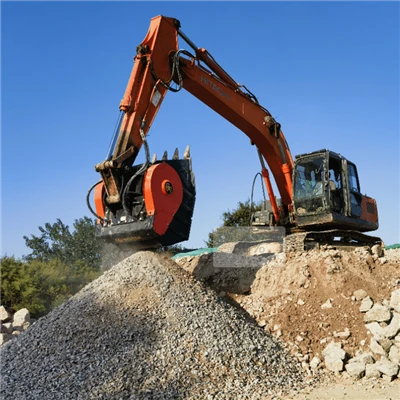
As a supplier of Soil Screening Buckets, I've witnessed firsthand the diverse soil conditions that our customers encounter across various projects. Adapting a soil screening bucket to different soil conditions is crucial for achieving optimal performance and efficiency. In this blog, I'll share some insights and practical tips on how to make the most of your soil screening bucket, regardless of the soil type you're working with.
Understanding Different Soil Types
Before we dive into the adaptation strategies, it's essential to understand the characteristics of different soil types. Soil can be broadly classified into three main categories: sandy soil, clay soil, and loamy soil. Each type has unique properties that can affect the screening process.
- Sandy Soil: Sandy soil consists of large particles with low cohesion. It drains quickly and is relatively easy to work with. However, it may require a finer screening mesh to separate smaller debris and ensure a more thorough screening.
- Clay Soil: Clay soil is composed of fine particles that are tightly packed together. It has high cohesion and can be very sticky when wet. Clay soil often requires more aggressive screening methods, such as a larger screening aperture or the use of additional agitation to break up clumps.
- Loamy Soil: Loamy soil is a balanced mixture of sand, silt, and clay. It has good drainage, water - holding capacity, and fertility. Loamy soil is generally the easiest to screen, but still may need appropriate mesh selection based on the specific project requirements.
Adapting the Screening Mesh
One of the most effective ways to adapt a soil screening bucket to different soil conditions is by changing the screening mesh. The mesh size determines the size of the particles that will pass through the bucket and be separated from the larger debris.
For sandy soil, a finer mesh, such as a 6 - 10mm aperture, can be used to remove small rocks, twigs, and other contaminants. This ensures that the screened soil is of high quality and suitable for applications like landscaping or gardening. You can find a variety of mesh sizes for our Soil Screener to meet your specific needs.
When dealing with clay soil, a coarser mesh, around 15 - 25mm, may be more appropriate. The larger aperture allows the clay clumps to pass through more easily, reducing the risk of clogging. Additionally, some soil screening buckets come with adjustable mesh systems, which allow you to change the aperture size quickly and easily on - site.
Loamy soil may require a medium - sized mesh, typically 10 - 15mm, to achieve a good balance between screening efficiency and soil quality.
Adjusting the Screen Angle
The angle of the screening surface can also have a significant impact on the screening performance, especially when dealing with different soil types. A steeper angle can increase the speed at which the soil moves through the bucket, which is beneficial for screening loose sandy soil. However, for sticky clay soil, a more gentle angle may be needed to prevent the soil from sliding off the screen too quickly without being properly screened.
Most soil screening buckets are adjustable, allowing you to set the screen angle according to the soil conditions. By experimenting with different angles, you can find the optimal setting that maximizes the screening efficiency and minimizes the amount of unscreened soil.
Using Additional Agitation
In some cases, especially with sticky or compacted soil, additional agitation may be required to break up the soil clumps and improve the screening process. Some soil screening buckets are equipped with built - in agitators, such as paddles or fingers, that rotate or vibrate to loosen the soil.
For clay soil, these agitators can be particularly effective in breaking up the dense clumps and allowing the individual particles to pass through the screen. Adjust the speed and intensity of the agitator based on the soil's stickiness and the desired screening result.
Maintenance and Cleaning
Proper maintenance and cleaning are essential for ensuring the longevity and optimal performance of your soil screening bucket. Different soil types can leave different residues on the screen, which may affect its efficiency over time.
After each use, it's important to clean the screening mesh thoroughly to remove any built - up soil or debris. For sandy soil, a simple rinse with water may be sufficient. However, for clay soil, you may need to use a pressure washer or a brush to remove the sticky residue.
Regularly inspect the bucket for any signs of wear or damage, such as bent or broken mesh wires. Replace any damaged parts promptly to ensure consistent screening performance.
Adapting to Specialized Soil Screening Needs
In addition to the common soil types, there are also some specialized soil screening needs, such as coal screening. Our Coal Screening And Crushing Bucket is designed specifically for this purpose. It can handle the unique properties of coal, such as its density and brittleness, and separate it into different particle sizes efficiently.
For smaller - scale projects or those using skid - steers, our Skid Steer Screener Bucket offers a compact and versatile solution. It can be easily attached to a skid - steer loader and adapted to different soil conditions in a similar way as the larger screening buckets.
Conclusion
Adapting a soil screening bucket to different soil conditions is a multi - faceted process that involves understanding the characteristics of the soil, adjusting the screening mesh and angle, using additional agitation when necessary, and maintaining the equipment properly. By following these tips, you can ensure that your soil screening bucket operates at its peak performance, regardless of the soil type you're working with.


If you're in the market for a high - quality soil screening bucket or need more advice on adapting the equipment to your specific soil conditions, we're here to help. Our team of experts has extensive experience in the industry and can provide you with the guidance and support you need. Contact us for a consultation and let's discuss how our soil screening solutions can meet your project requirements.
References
- Brady, N. C., & Weil, R. R. (2008). The nature and properties of soils. Pearson Prentice Hall.
- Food and Agriculture Organization of the United Nations. (2006). World reference base for soil resources 2006: A framework for international classification, correlation and communication. Rome: FAO.