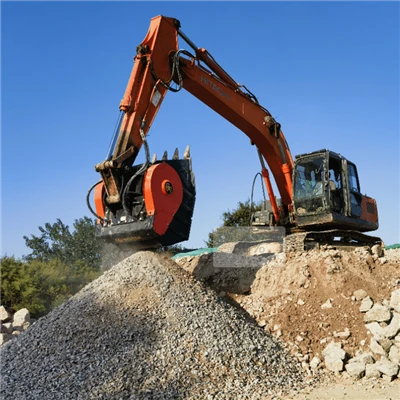
Hey there! As a supplier of Soil Screener Buckets, I've seen firsthand how these nifty tools go through their fair share of wear and tear. So, let's dig into how this happens and what you can do about it.

1. Friction from Material Screening
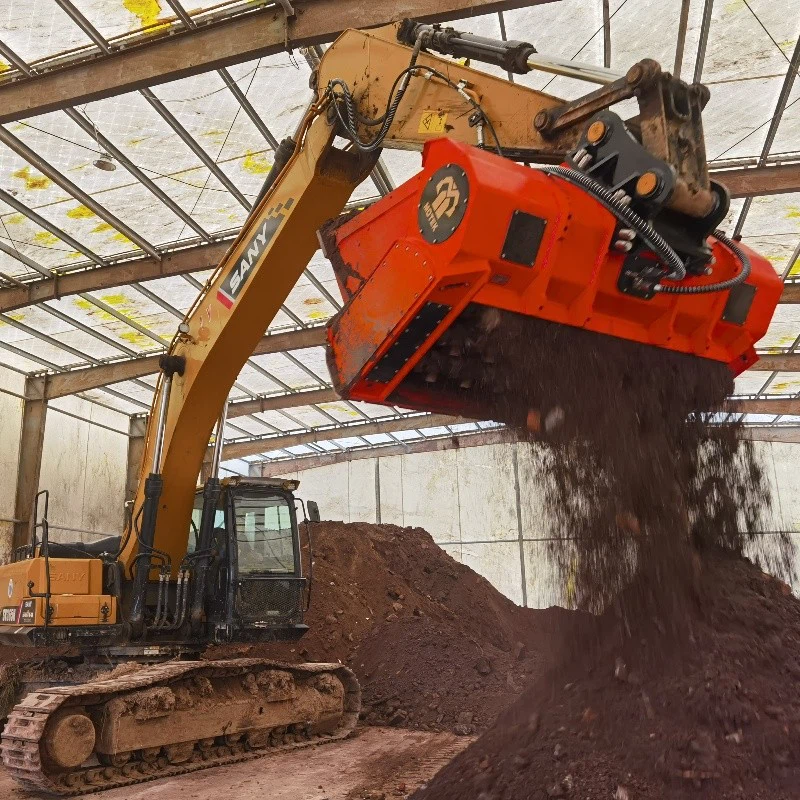
One of the main culprits behind the wear and tear of a soil screener bucket is the friction generated during the screening process. When you're using a Soil Screening Bucket to sift through soil, gravel, or other materials, the particles rub against the bucket's screening elements. This constant abrasion can gradually wear down the mesh or bars that make up the screening surface.
Think about it like sandpaper on wood. Over time, the repeated contact between the hard particles and the screening material causes the surface to become rough and eventually start to break down. The finer the material you're screening, the more intense the friction can be. For example, screening fine sand will create more friction compared to screening larger gravel chunks. This friction not only affects the screening elements but also the structural parts of the bucket that come into contact with the material.
2. Impact from Heavy Materials
Another factor that contributes to wear and tear is the impact of heavy materials. When large rocks or dense clumps of soil are loaded into the Screening Bucket Attachment, they can hit the bucket with a significant amount of force. This impact can cause dents, cracks, or even breakages in the bucket's structure.
Imagine dropping a heavy boulder into a metal bucket. The force of the impact can deform the metal and weaken its integrity. Similarly, in a soil screener bucket, repeated impacts from heavy materials can lead to long - term damage. The areas around the edges of the bucket and the corners are particularly vulnerable to this type of damage. If the bucket is not designed to withstand these impacts, it can quickly start to show signs of wear and tear.
3. Corrosion and Rust
Corrosion and rust are also major enemies of soil screener buckets. These buckets are often exposed to various environmental conditions, including moisture, chemicals in the soil, and even salt in some coastal areas. When the metal parts of the bucket come into contact with water and oxygen, a chemical reaction occurs, leading to the formation of rust.
Rust not only looks unsightly but also weakens the metal. It can cause the metal to become brittle and more prone to breakage. The screening elements, which are usually made of metal, are especially susceptible to rust. Once rust starts to form, it can spread quickly and compromise the functionality of the bucket. Even a small amount of rust can reduce the strength of the screening mesh or bars, making them more likely to tear or break during operation.
4. Improper Use and Maintenance
Believe it or not, how you use and maintain your soil screener bucket can have a huge impact on its lifespan. If you overload the bucket beyond its recommended capacity, it puts extra stress on the structure and the screening elements. This can lead to premature wear and tear. For example, if the bucket is designed to handle a certain volume of material, but you keep stuffing it with more, the screening elements will have to work harder, and the structural parts will be under more pressure.
In addition, lack of proper maintenance can also accelerate wear and tear. Not cleaning the bucket regularly can cause material to build up on the screening elements, which can increase friction and make the screening process less efficient. Also, not lubricating the moving parts can lead to increased friction and wear. And if you don't inspect the bucket for signs of damage and address them promptly, small issues can turn into big problems over time.
5. Wear in Moving Parts
Soil screener buckets often have moving parts, such as hinges, bearings, and hydraulic cylinders. These parts are essential for the proper operation of the bucket, but they are also prone to wear and tear. The constant movement and friction between the moving parts can cause them to wear out.
For example, the bearings in the bucket need to rotate smoothly to allow the screening elements to move. If they are not properly lubricated or if they are exposed to dirt and debris, they can start to wear down. This can lead to increased friction, noise, and eventually, the failure of the bearing. Similarly, the hydraulic cylinders that control the movement of the bucket can also experience wear if the hydraulic fluid is not changed regularly or if there are leaks in the system.
What Can You Do to Minimize Wear and Tear?
Now that we know how wear and tear occur, let's talk about what you can do to minimize it. First of all, choose a high - quality Screening Buckets from a reputable supplier. A well - designed bucket will be more durable and better able to withstand the forces and conditions it will be exposed to.
Secondly, make sure to use the bucket within its recommended capacity. Don't overload it, as this will put unnecessary stress on the bucket. Also, clean the bucket after each use to remove any material that has built up on the screening elements. This will reduce friction and keep the screening process efficient.
Regular maintenance is key. Inspect the bucket for signs of damage, such as cracks, rust, or wear in the moving parts. Address any issues promptly to prevent them from getting worse. Lubricate the moving parts as recommended by the manufacturer to reduce friction and extend their lifespan. And don't forget to change the hydraulic fluid in the hydraulic cylinders at the recommended intervals.
Conclusion
Wear and tear of a soil screener bucket can occur due to various factors, including friction from material screening, impact from heavy materials, corrosion and rust, improper use and maintenance, and wear in moving parts. But by understanding these factors and taking the necessary steps to minimize wear and tear, you can extend the lifespan of your soil screener bucket and get the most out of your investment.
If you're in the market for a new Soil Screening Bucket or want to learn more about how to maintain your existing one, don't hesitate to reach out. We're here to help you find the right solution for your needs. Whether you're a contractor, a landscaper, or involved in any other industry that requires material screening, we've got you covered. Contact us today to start a conversation about your requirements and let's see how we can work together to get the job done efficiently and effectively.
References
- Engineering Handbook on Construction Equipment Wear and Tear
- Studies on Metal Corrosion in Industrial Equipment
- Manufacturer's Manuals for Soil Screener Buckets